
Evidence-Based Ancient History
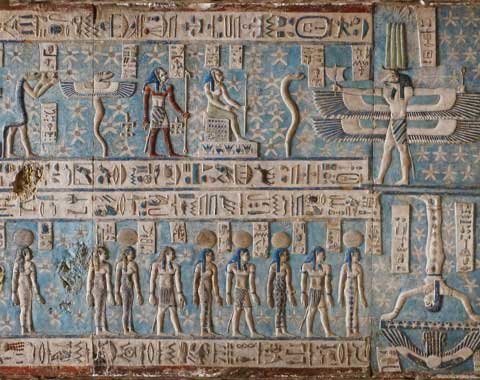
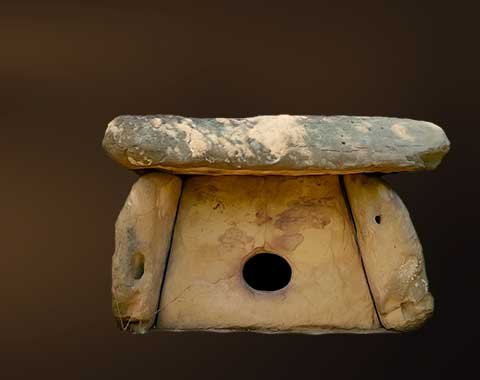

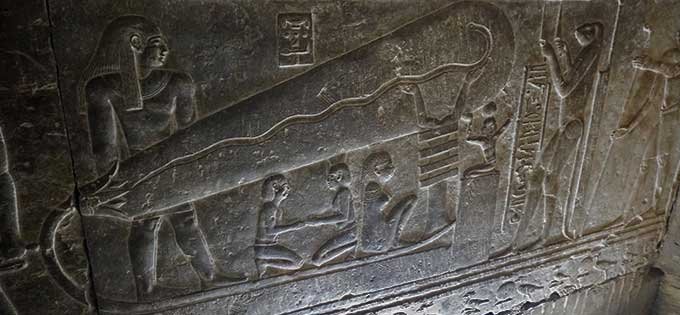
Ancient history is not just a collection of myths and academic theories — it is a vast field of evidence waiting to be reexamined. Through first-hand exploration, detailed photography, and comparative analysis of ancient ruins and artifacts, Evidence-Based Ancient History challenges conventional interpretations and reveals what official narratives often overlook. This project brings together monuments, temples, and megalithic structures from around the world — from Egypt and Petra to Baalbek and the dolmens of Europe — showing that the story of our civilization may be far more complex, precise, and interconnected than we have been taught.
Mysteries of the Ancient World
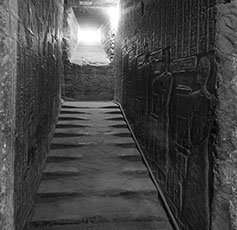
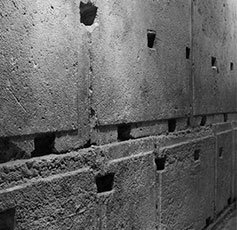
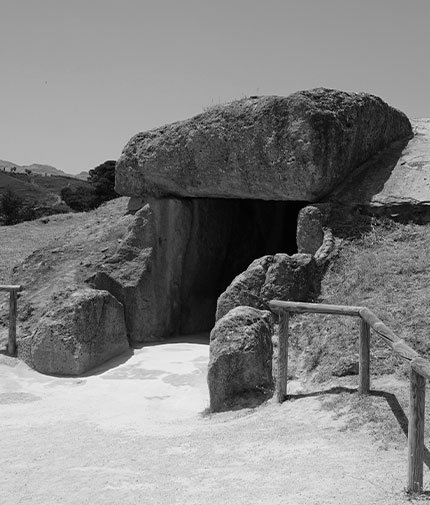
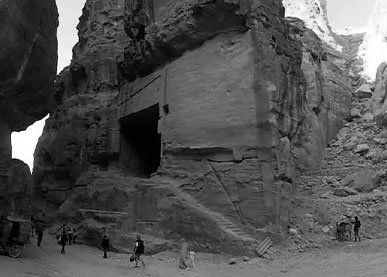
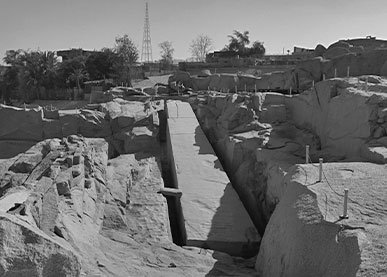
The mysteries of the ancient world surround us in stone, metal, and symbols left by civilizations whose knowledge seems to surpass our own. Across continents, we find traces of forgotten technologies — precision cuts in granite, massive stones moved with inexplicable ease, and construction techniques that still challenge modern engineers. Each artifact, temple, and monument tells a silent story that invites us to look deeper.
These mysteries of the ancient past are not fantasy — they are physical evidence carved into rock and preserved through millennia. From the enigmatic reliefs in the Temple of Hathor at Dendera to the immense trilithons of Baalbek and the hidden chambers of Petra, ancient builders left behind more than beauty — they left questions. Who were they, what tools did they use, and why do their methods seem to vanish from our historical timeline?
Modern archaeology explains many things, yet countless ancient ruins still resist easy classification. The precision of megalithic structures, the alignment of temples with celestial patterns, and the advanced understanding of geometry and resonance point to a global knowledge network that once connected ancient civilizations long before recorded history.
To explore the mysteries of the ancient world is to question the limits of what we think we know — and to rediscover humanity’s lost dialogue with its own origins. Here, evidence replaces speculation, and every site becomes a clue in the grand puzzle of our forgotten past.

Ancient Temples and Sacred Architecture
The world’s ancient temples reveal a level of engineering and symbolism that still fascinates modern researchers. From the massive stone columns of Egypt to the rock-cut sanctuaries of Petra, these structures embody both technical mastery and spiritual design. Their orientation to the stars, mathematical proportions, and perfect symmetry suggest a sacred understanding of space and harmony that goes far beyond decoration.
Many examples of ancient architecture demonstrate the same precision found in megalithic monuments — joints so tight that a blade cannot fit between them, stones shaped with surgical accuracy, and acoustic properties that amplify sound in mysterious ways. Such features show that ancient builders combined science, art, and ritual into a single architectural language that connected the physical and the divine.
Exploring ancient temples and sacred architecture is not merely an aesthetic experience; it is a journey into a forgotten science of resonance and proportion — a timeless message left in stone by civilizations who saw the world as a living structure in perfect balance.

Archeological Discoveries and Forgotten Civilizations
Recent archeological discoveries continue to reshape what we know about humanity’s origins. Each unearthed ruin, artifact, or buried city adds new evidence that ancient peoples possessed knowledge and abilities far beyond their assumed level of development. From newly revealed chambers beneath the pyramids of Egypt to vast stone circles in the deserts of the Middle East, excavations expose a timeline far more intricate than our textbooks suggest.
These findings often point to forgotten civilizations that flourished and vanished long before recorded history. Their architectural precision, astronomical awareness, and global similarities hint at an interconnected world — one where science, spirituality, and engineering coexisted. Whether in the Andes, the Nile Valley, or the Mediterranean basin, the remnants of these ancient ruins tell a story of lost continuity — a broken chain of human progress.
To study archeological discoveries is to trace fragments of that lost knowledge. Each site, no matter how remote, carries a whisper from a world that once mastered techniques we are only beginning to rediscover. In piecing together these clues, we not only uncover forgotten civilizations but also confront the possibility that human history is far older — and far more advanced — than we have been led to believe.

Ancient Structures and Megalithic Engineering
Across the world, the enduring strength of ancient structures demonstrates a level of craftsmanship that still challenges modern technology. Cyclopean walls, granite obelisks, and perfectly leveled platforms were created with methods that remain unexplained. The size, weight, and precision of these stones suggest not primitive labor, but a refined understanding of geometry, balance, and vibration — the essence of what can be called megalithic engineering.
At sites like Baalbek in Lebanon, the Unfinished Obelisk of Aswan, and the dolmens scattered across Europe and Asia, we find evidence of a consistent design logic — massive blocks fitted with impossible accuracy, often aligned to celestial directions. Such achievements raise questions about the lost technologies and tools once used to quarry, transport, and assemble megaliths weighing hundreds of tons.
Studying ancient structures through the lens of megalithic engineering reveals more than architectural genius; it exposes a forgotten scientific tradition. These monuments are not random relics of the past — they are deliberate constructions meant to endure, carrying the message that human capability and creativity once reached extraordinary heights, long before the dawn of our written history.