Aswan Obelisk Unfinished

The Unfinished Obelisk in Aswan is the largest known ancient monolith, located in the granite quarries of southern Egypt. This unique monument, part of the Aswan monuments, preserves enigmatic traces of ancient techniques and continues to puzzle historians and researchers.

Category:
Overview

The full text of my independent research on this site, where the factual data diverges from the official version of history, is available at this link.

The Unfinished Obelisk of Aswan is one of the most mysterious monuments of Ancient Egypt. It measures about 42 meters in length and weighs nearly 1,200 tons, making it the largest monolith ever discovered. Its sheer scale is staggering: imagining the transportation and erection of such a block under ancient conditions is almost impossible.

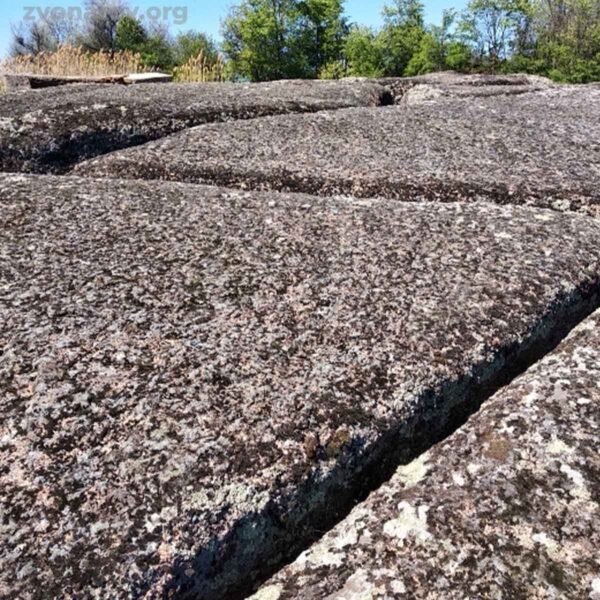
Aswan unfinished obelisk top stone surface

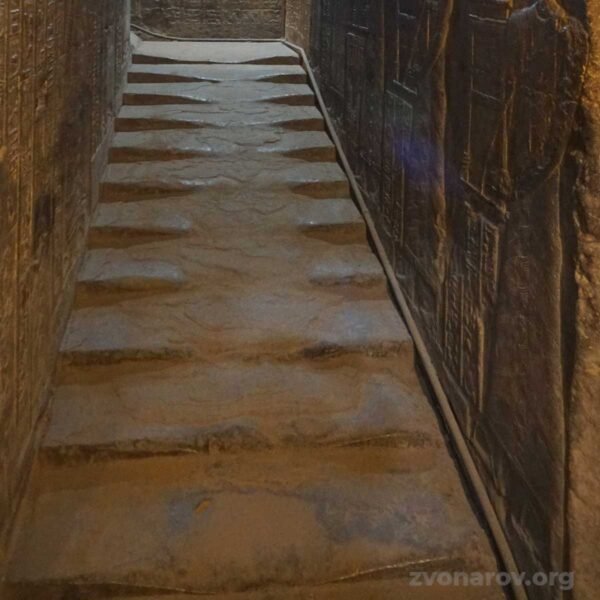
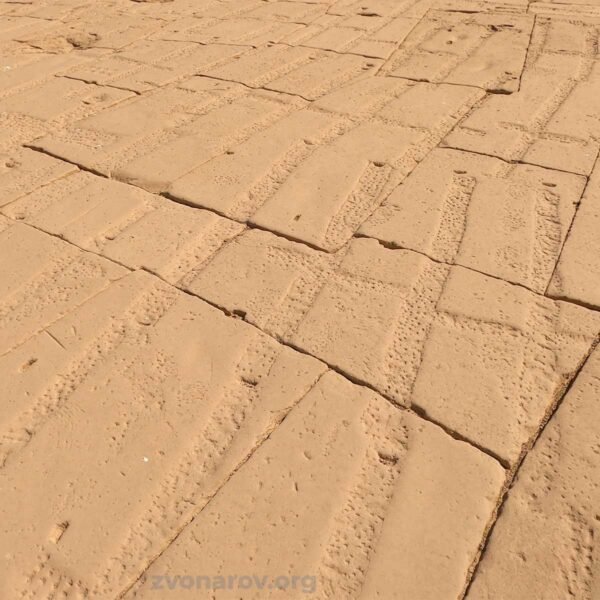
The traces on the obelisk and in its surroundings do not resemble the marks of primitive stone tools. On its surface one can see perfectly straight grooves and cuts, including through dolerite inclusions — something that cannot be explained by the use of cobblestones or copper tools. These facts call the official version of history into question and point to the existence of unknown technologies of stoneworking.

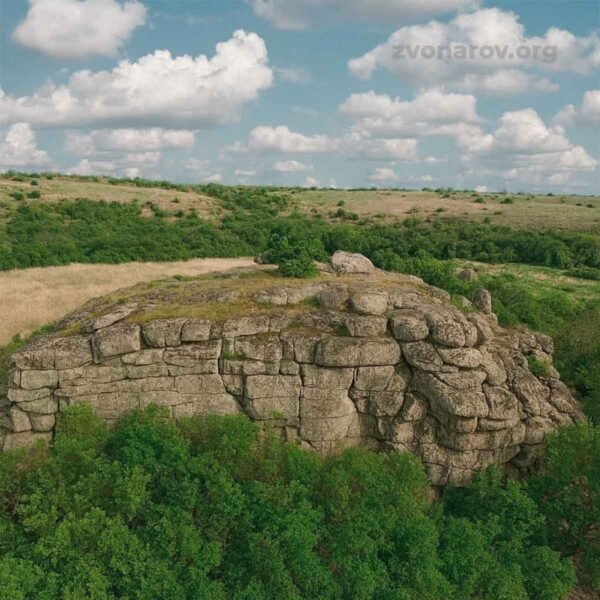
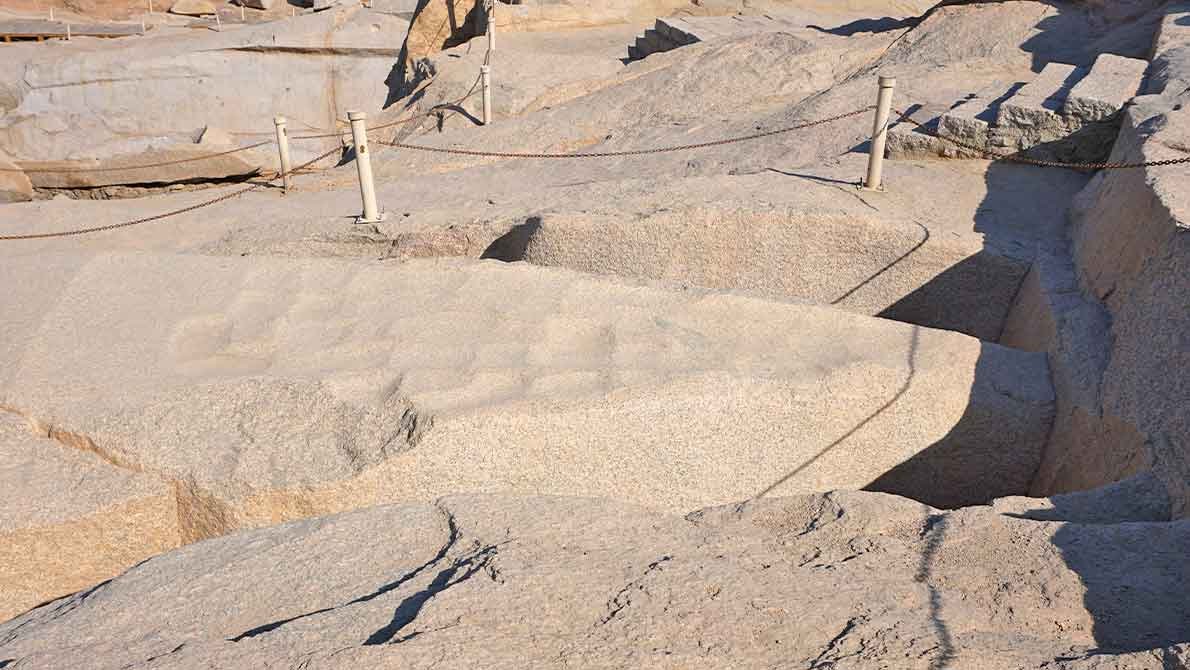
Aswan unfinished obelisk general view granite quarry

The obelisk remains a symbol of Egypt’s unsolved mysteries. The trenches, cavities, and enigmatic marks around it only deepen the questions about the methods employed by the ancient builders. For many researchers, the Aswan Obelisk stands as evidence that in remote antiquity there once existed lost advanced technologies — and with them, a civilization capable of achieving what seems impossible today.

What tool traces are visible on the Unfinished Obelisk, and why do they matter?
Researchers and visitors note long depressions and grooves often described as aswan obelisk scoop marks. They appear on trench walls and under-surfaces, raising debates about quarrying methods and the efficiency of ancient techniques.
How did ancient builders attempt to detach the monolith from the Aswan bedrock?
The quarry team surrounded the block with trenches and attempted to undercut it, leaving only a keel of granite. Dolerite pounding stones and possible heating techniques were likely used to weaken the rock.
Do similar patterns occur at other quarry sites in Egypt?
Yes, repetitive quarry textures appear elsewhere. Scoop marks in Egypt are most evident at Aswan, where the unfinished project preserved large continuous surfaces in place.
What do the quarry trenches and channels tell us about workflow around the obelisk?
The trenches show planned sequences of work. Clusters of aswan scoop marks suggest coordinated teams removing granite in a systematic way.
Why was the project abandoned, and what evidence supports that conclusion?
A massive crack appeared in the granite, compromising structural stability. Continuing would have risked total collapse during transport, so the project was stopped.
Are there alternative interpretations of the traces beyond conventional quarrying?
Some researchers argue the textures—called aswan unfinished obelisk scoop marks—suggest advanced or lost methods. Others explain them with extended labor and dolerite pounding.
Comments

There are no comments yet.

Be the first to comment “Aswan Obelisk Unfinished”

Your email address will not be published. Required fields are marked *