What is the Dendera Zodiac?
The Dendera Zodiac is a circular astronomical relief carved on the roof of the Temple of Hathor at Dendera. It depicts constellations, planets, deities, and the cycle of time in a single cosmic diagram. Today, visitors see a precise plaster replica in situ, while the original sandstone relief is housed in the Louvre Museum.
Why is the Dendera Zodiac important?
Scholars consider it a rare cosmological map that blends Egyptian religious symbolism with observations of the night sky. It offers insight into how ancient priests tracked celestial events and linked them to rituals and the calendar. For researchers, it is a key artifact for understanding sacred astronomy in Egypt.
Where is the Dendera Zodiac located now?
The original Dendera Zodiac ceiling was removed in the 19th century and is preserved in the Louvre Museum in Paris. On the roof of the Temple of Hathor in Dendera, Egypt, you will find a faithful gypsum copy installed in the original setting. This arrangement lets visitors experience the context while the original remains protected.
What do the Dendera Zodiac signs represent?
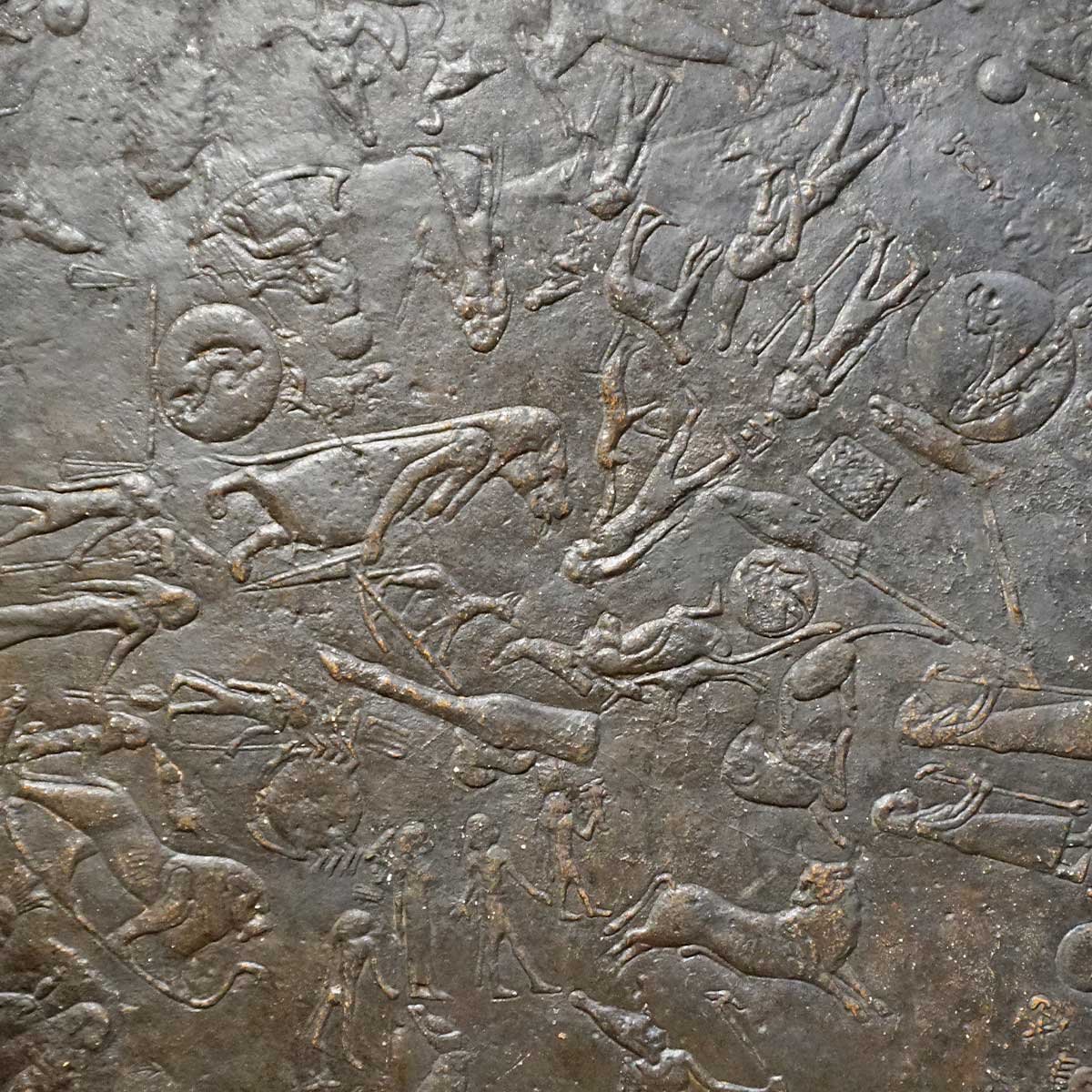
The relief shows the twelve dendera zodiac signs alongside Egyptian deities who guide celestial motion. Figures like Taurus, Leo, Scorpio, Pisces, and Gemini appear within an Egyptian mythic framework. This synthesis illustrates how different star patterns were integrated into temple cosmology and ritual timekeeping.
Dendera Zodiac explained: is it an astronomical calendar?
Many specialists interpret the composition as an astronomical diagram that could track planetary positions and stellar cycles. Its circular layout suggests a view of the sky useful for organizing festivals tied to celestial events, such as the heliacal rising of Sirius. While functions are debated, its design clearly encodes cyclical time.
What is shown on the zodiac ceiling at the Temple of Dendera?
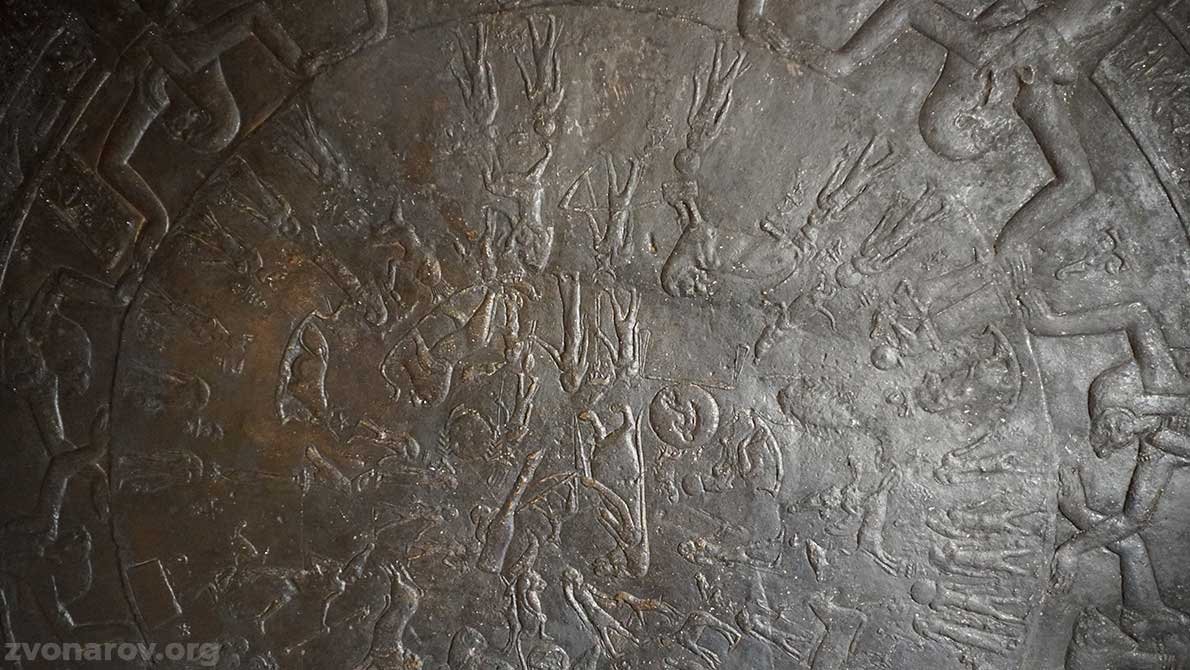
The zodiac ceiling temple of Dendera features a cosmic disk surrounded by gods bearing the solar barque and protective deities. At the center, the sky goddess and other figures embody the structure of the heavens. The ensemble weaves myth, astronomy, and royal ideology into a single, readable sky map.
How old is the Dendera Zodiac (Dendera Zodiac age)?
The Dendera Zodiac age is discussed in academic and alternative circles, but the relief itself avoids giving an exact, explicit date. Egyptologists place the carving within the broader era of the temple’s completion without asserting a precise year. Alternative researchers suggest it encodes sky positions from a much earlier epoch, linking it to precessional cycles.
What does “original Dendera Zodiac” mean?
The term “original Dendera Zodiac” refers to the sandstone relief that was removed and transported to France in the early 1800s. It weighs several tons and is exhibited in the Louvre under the title “Zodiaque de Dendérah.” The copy at Dendera is a careful cast that preserves the artwork’s details for on-site interpretation.
Can I view Dendera Zodiac images before visiting?
Yes—many museums, academic publications, and travel resources provide high-quality Dendera Zodiac images. Reviewing photographs helps you recognize key figures like Taurus, Pisces, and the solar barque when you stand beneath the replica. Images of the original relief in the Louvre also aid close study of the carving’s fine details.
What is the exact Dendera Zodiac location in the temple?
The relief belongs to the Dendera Zodiac ceiling on the roof of the Temple of Hathor within the Dendera Temple complex. Access is typically via stairways leading to rooftop chapels, where the replica is mounted in context. Local signage and guides will point you directly to the zodiac chamber area during your visit.
Does the Egyptian Dendera Zodiac use Greek constellations?
The Egyptian Dendera Zodiac blends classical zodiac figures with indigenous deities and symbols. This hybridization shows cultural exchange while preserving local theological meaning. The result is neither purely Greek nor purely Egyptian, but a distinct, syncretic sacred astronomy.
What do people mean by “zodiac of Dendera” and “the Dendera Zodiac”?
Both phrases—zodiac of Dendera and the Dendera Zodiac—refer to the same famous circular relief in the Hathor temple. They are used interchangeably in scholarship and popular writing. The terms highlight that this particular zodiac is unique to Dendera’s rooftop chapels and has no direct equivalent elsewhere in Egypt.
Is there a single “Dendera Zodiac sign” that is most important?
No single dendera zodiac sign dominates; the composition gains meaning from the full set of figures acting together. Each sign participates in a larger cosmological narrative anchored by deities and the sun’s journey. Reading it holistically reveals how cycles of time intertwine with temple ritual and mythic order.
How do researchers interpret Dendera Zodiac dates?
Egyptologists discuss dendera zodiac dates in relation to historical festivals and observable sky events like the rising of Sirius. Alternative timelines compare the relief’s layout to precessional markers to propose earlier sky configurations. These approaches differ in methods, but both treat the disk as an astronomical system, not just decoration.
Is “Zodiac van Dendera” the same artwork?
Yes—“zodiac van Dendera” is the Dutch phrasing for the same relief, widely used in European literature and museum labels. International naming varies, but the subject is identical. When researching, include language variants to find more publications and image archives.
Practical tips: when and how to see the Dendera Zodiac ceiling?
Visit the Dendera Temple complex during daylight hours and check current access rules for the roof chapels. Bring a modest telephoto lens or binoculars to study the replica’s figures comfortably. If possible, complement your trip with a Louvre visit or virtual tour to compare the original and the in-situ copy.






There are no comments yet.