Dolmen de la Pastora

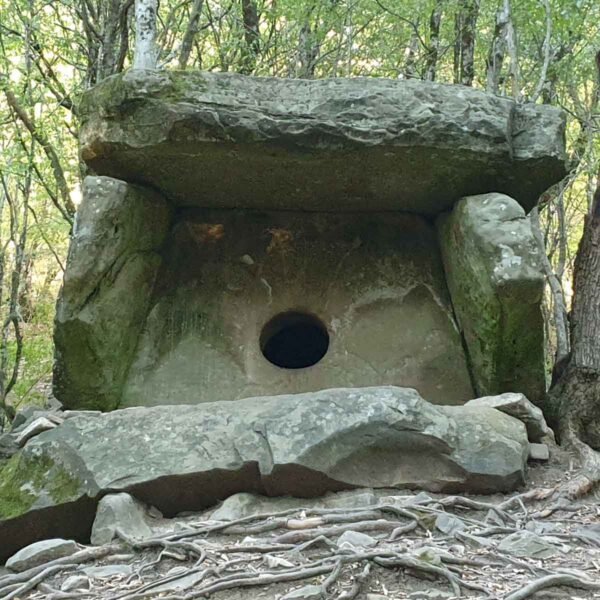
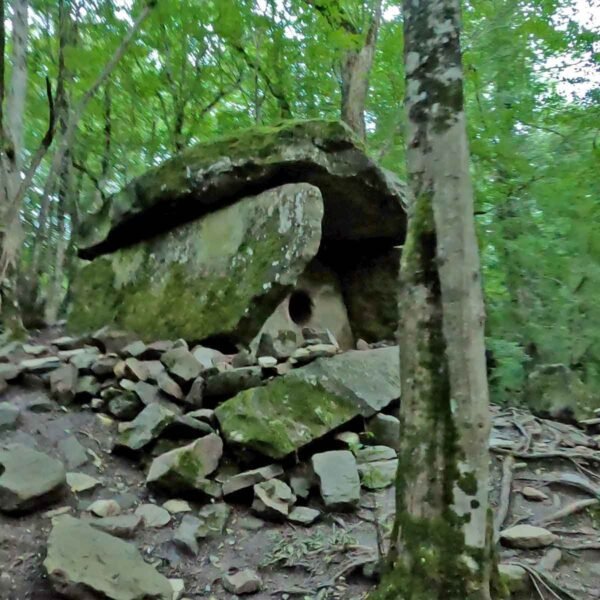
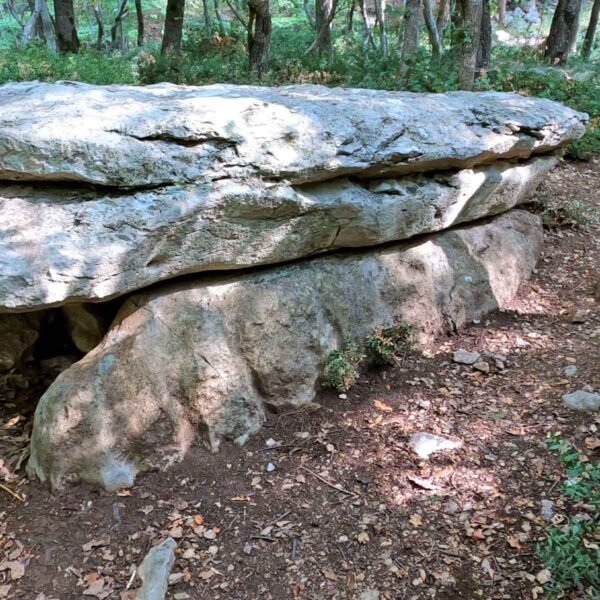
Dolmen de la Pastora is a remarkable megalithic monument located in Andalusia, Spain, with a corridor stretching over 45 meters and aligned to the winter solstice. Its walls are built of small and medium stones, while massive granite and sandstone slabs form the roof and floor.

Category:
Overview

Dolmen de la Pastora is a truly unique monument that has undergone critical restoration. Its corridor stretches for more than 45 meters and is divided into three sections about 14 meters long each, separated from one another by stone blocks. The dolmen was discovered in 1860.

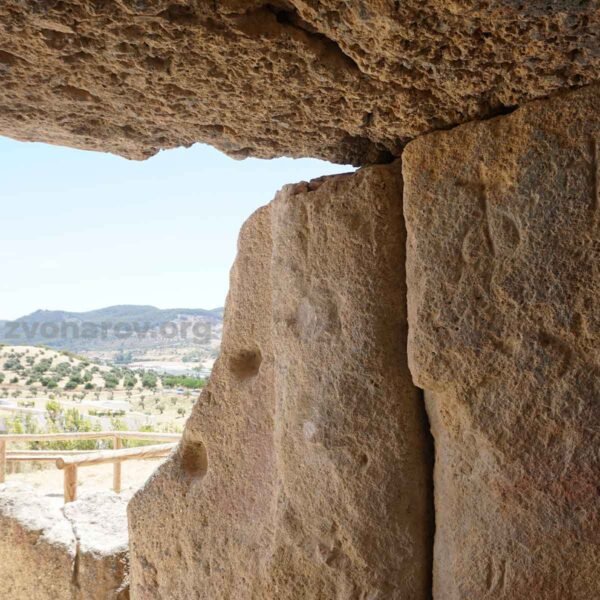
The walls of the structure are built of small and medium-sized stones, shaped to give them a neater appearance. The floor and roof are made of massive slabs of different origins — granite and limestone sandstone. On their surface, one can distinguish traces of ancient geological history: fossils and characteristic shapes of marine deposits.

The orientation of the dolmen has special significance: on the day of the winter solstice, the rays of the setting sun penetrate through the long corridor and illuminate the chamber of the monument. This points to the symbolic and ritual role of the structure and explains the almost complete absence of human remains and burial goods inside.

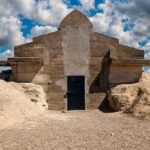
Unfortunately, the restoration has greatly altered the appearance of the monument. The main entrance is made of modern concrete, and inside the structure there are visible areas of recent masonry. From the legacy of the ancient builders, only a few elements remain: a huge stone slab on the ceiling of the far chamber and several fragments of the walls.

Archaeological scheme of Dolmen de la Pastora

This diagram illustrates the internal structure of the Dolmen de la Pastora

Dolmen de la Pastora is not a popular tourist attraction. It can only be visited by prior appointment through the local museum, and the site itself is fenced off. From the outside, it looks like an inconspicuous piece of land with a concrete entrance block hiding the ancient structure. And yet, the preserved fragments allow us to appreciate the true scale of the monument and to feel its historical significance.

What is the Dolmen de la Pastora?

The Dolmen de la Pastora is a megalithic corridor tomb located in Valencina de la Concepción, Andalusia, Spain. Its corridor extends more than 45 meters and leads to a chamber, making it one of the longest passage graves in the region. Despite the official theories, the true time of its construction remains unknown, adding mystery to its origin.

What makes its corridor unique?

The corridor of the Dolmen de la Pastora is unusually long, stretching over 45 meters and divided into three sections separated by stone blocks. This length is exceptional compared to other Iberian megaliths. Its orientation and monumental scale highlight the technical skills and symbolic intent of its builders.

Why is the winter solstice alignment significant?

On the day of the winter solstice, the setting sun’s rays penetrate the passage and illuminate the chamber. This alignment suggests a strong ritual and symbolic purpose linked to solar cycles. It reflects how prehistoric societies connected their monuments to natural events and cosmology.

How did restoration affect the monument?

Modern restoration has altered the Dolmen’s original appearance, especially at the entrance, which was rebuilt in concrete. Inside, newer masonry is visible alongside ancient slabs. Nevertheless, significant original elements remain, such as the massive ceiling slab of the chamber and portions of the walls.

What materials were used in its construction?

The dolmen was built using small and medium stones for the walls, with large granite and limestone sandstone slabs forming the floor and roof. These slabs still show fossils and marine deposits, revealing traces of ancient geological history. This combination of materials added durability and symbolic character to the structure.

Can tourists visit the Dolmen de la Pastora?

The site is not a mainstream tourist attraction and can only be visited by prior arrangement through the local museum. The area is fenced off to protect the monument, so access is controlled. This helps preserve its fragile remains for study and cultural heritage.

Why is the Dolmen important for researchers?

The Dolmen de la Pastora offers insights into prehistoric architecture, ritual practices, and astronomical alignments. Its extraordinary corridor length and solstice orientation provide valuable data for archaeologists. While official theories exist, the true construction date remains unknown, fueling ongoing academic interest.

Comments

There are no comments yet.

Be the first to comment “Dolmen de la Pastora”

Your email address will not be published. Required fields are marked *