Dolmen de Menga

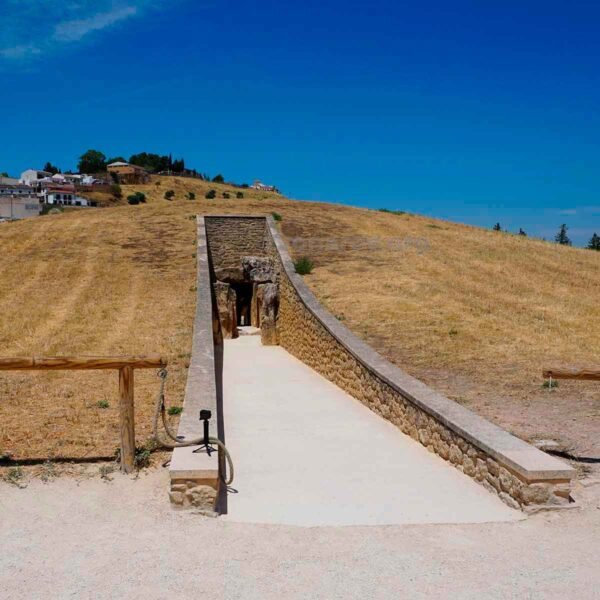
Dolmen de Menga, also known as dolmen of Menga, is located in Antequera, Spain, and is considered one of the largest megalithic monuments in Europe. The massive stone slabs and the impressive corridor highlight the remarkable skills of its ancient builders. Despite the official version of history, the true construction time of dolmen Menga remains unknown, giving the site a mysterious aura. Today, it is open to visitors as part of the Antequera Dolmens archaeological complex.

Category:
Overview

The Cueva de Menga is considered the largest dolmen in the world. Indeed, when approaching its monumental entrance, one feels confronted with something truly grand. The dolmen de Menga impresses with its size and monumental character. Scholars have studied its structure in detail, yet there are alternative theories of origin that differ greatly from official views. Some believe that this dolmen may have served as a shelter for people — used as a protective refuge, a kind of stone bunker where one could wait out bad weather or hide from wild animals. But whether it was built by the inhabitants of these lands themselves remains an open question. It is possible that they only adapted a structure that had existed long before their arrival.

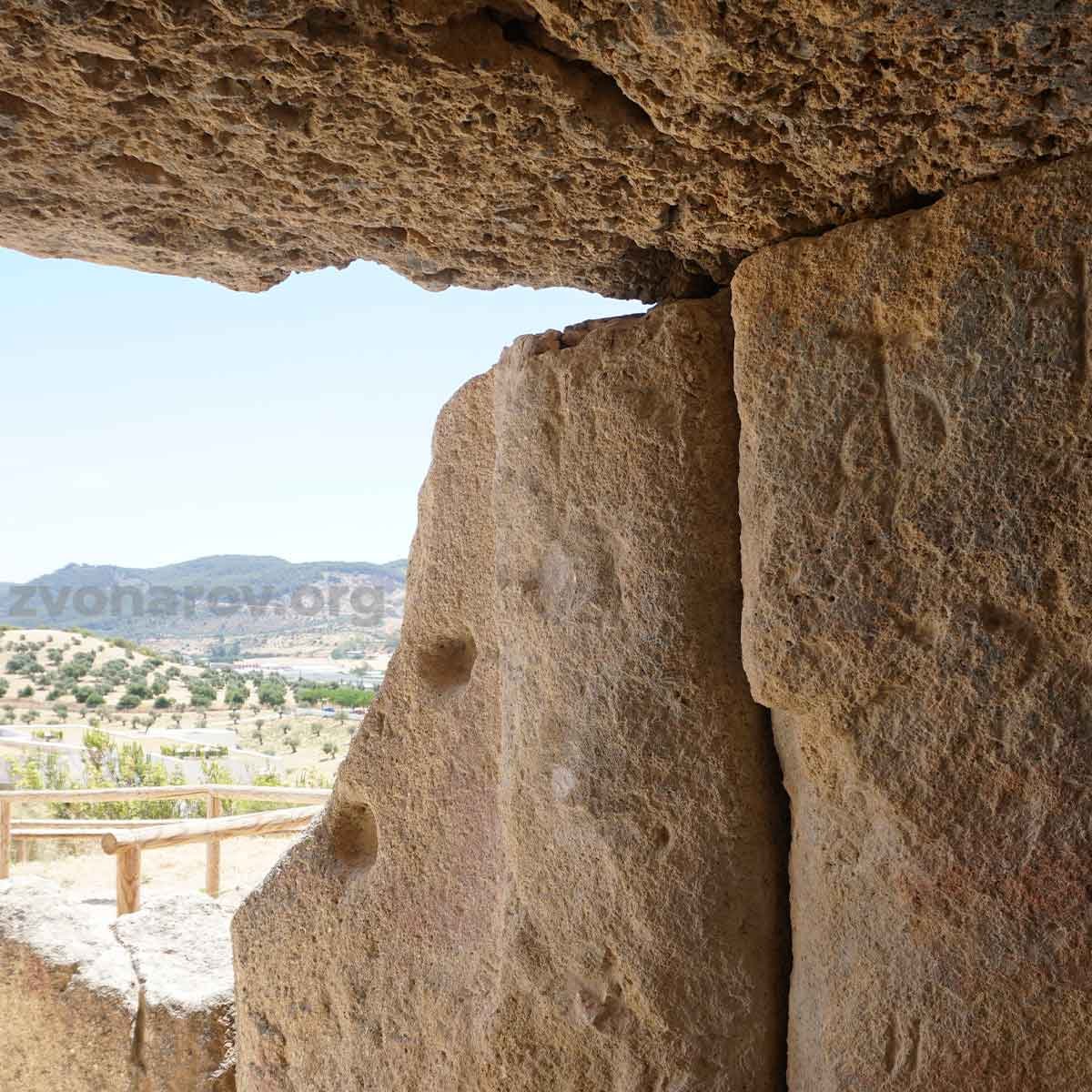
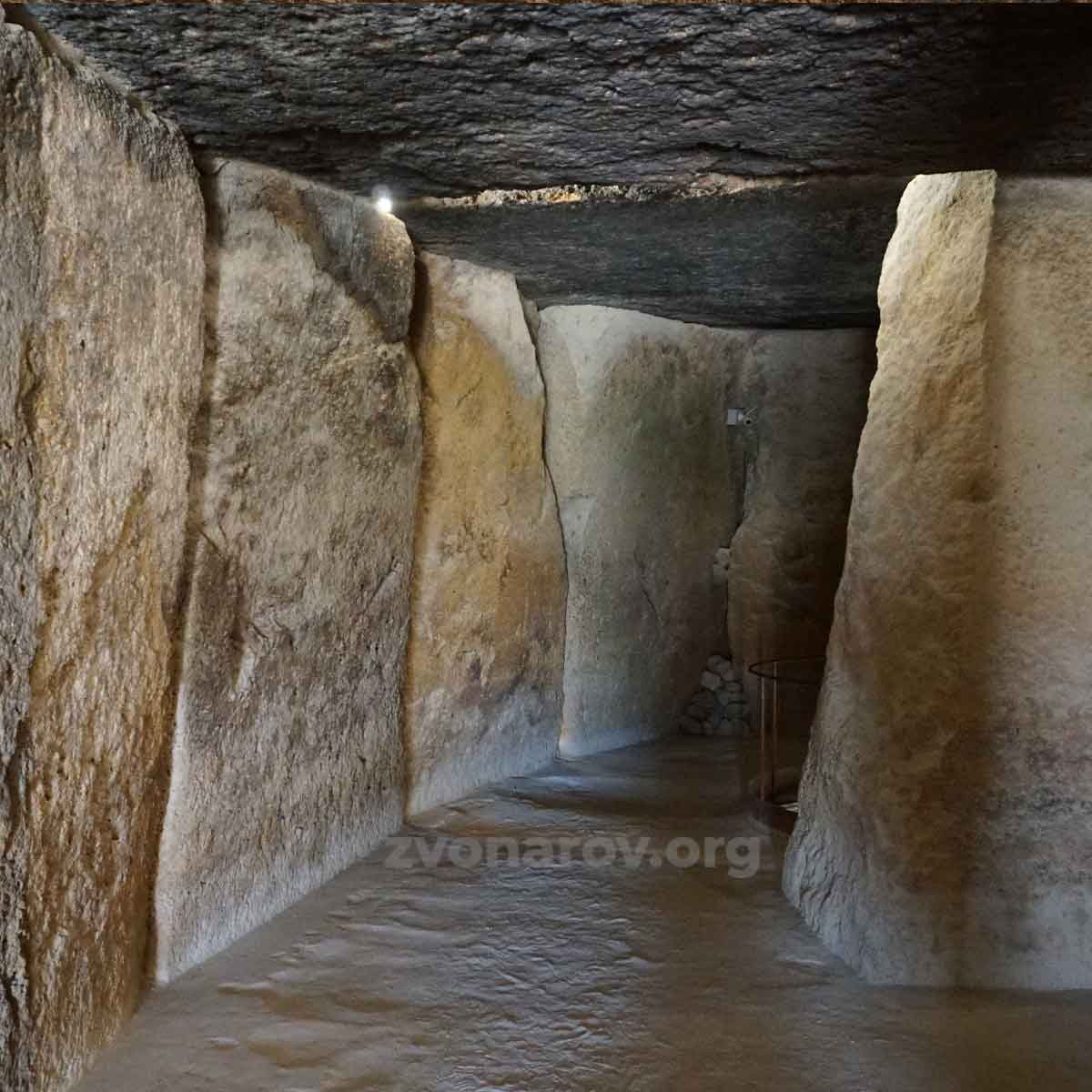
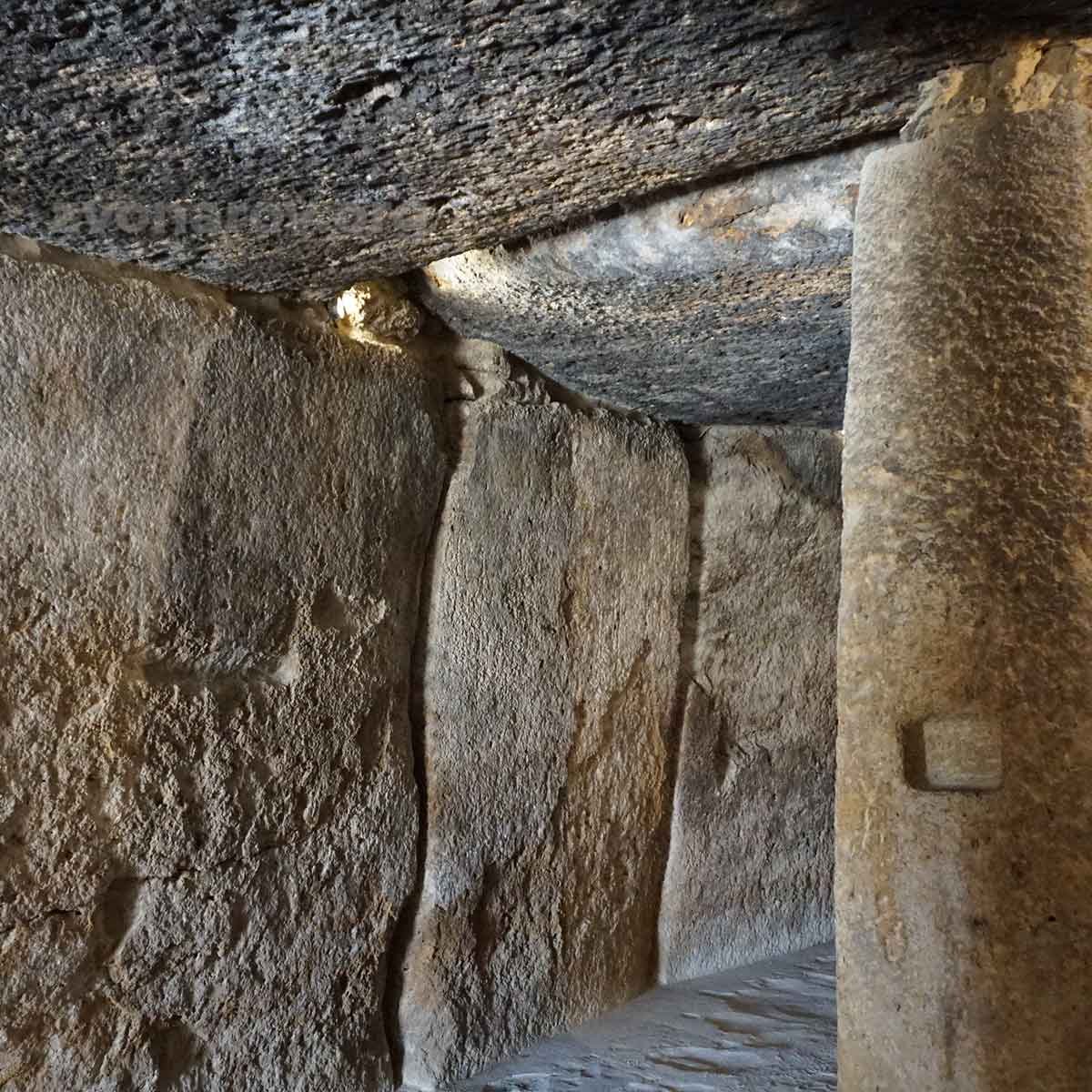
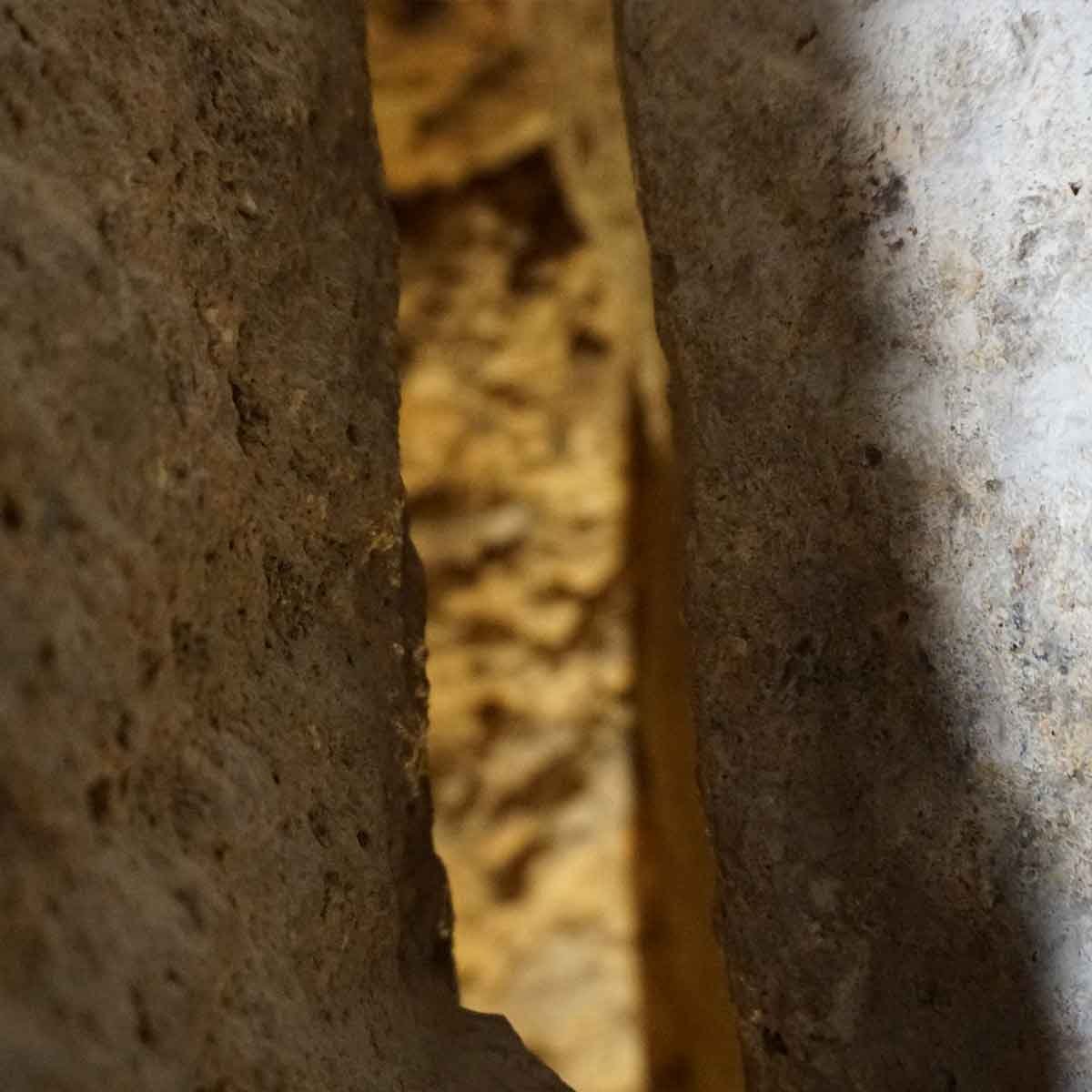
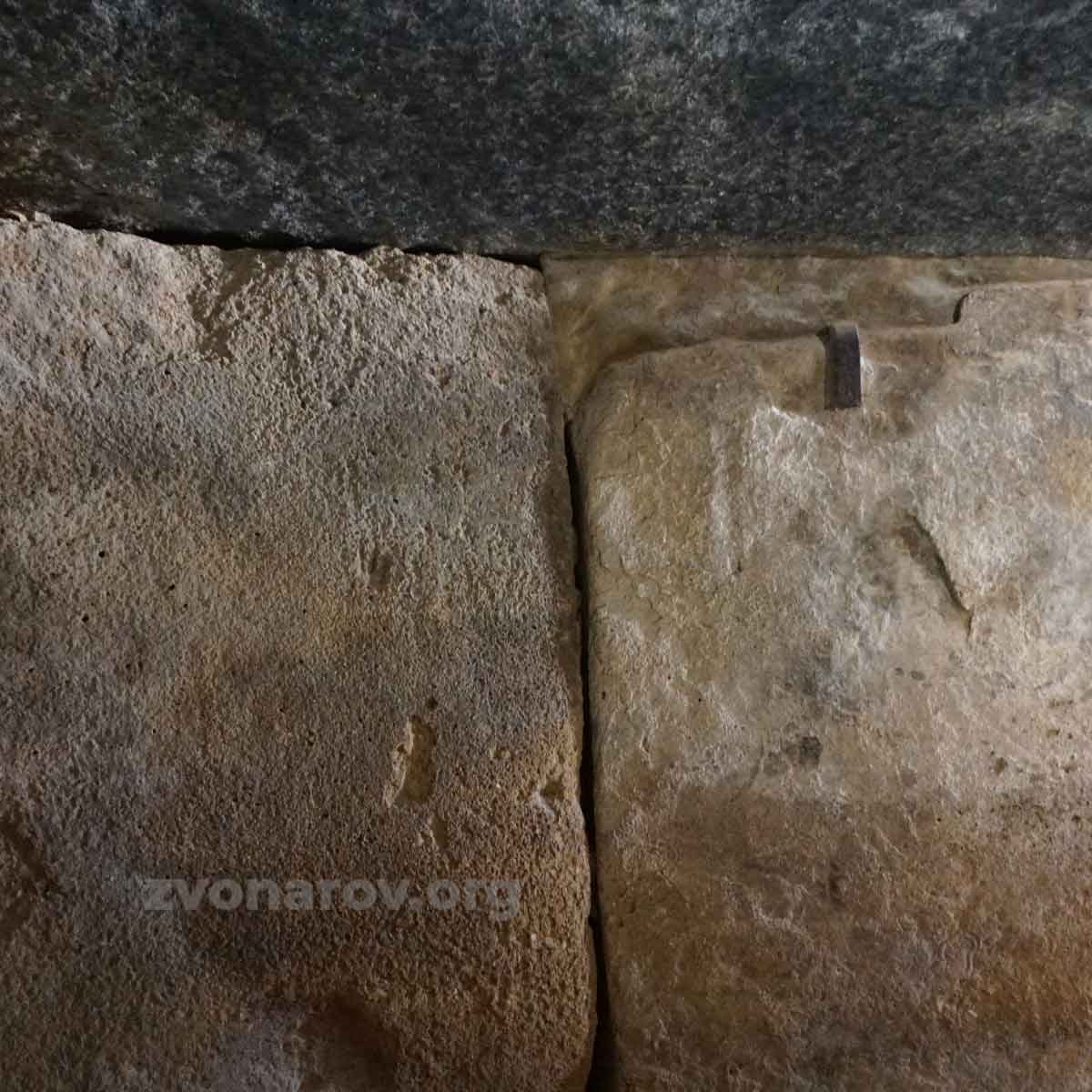
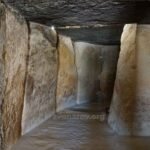
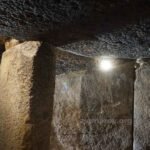
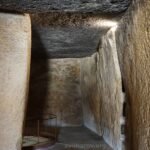
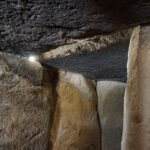
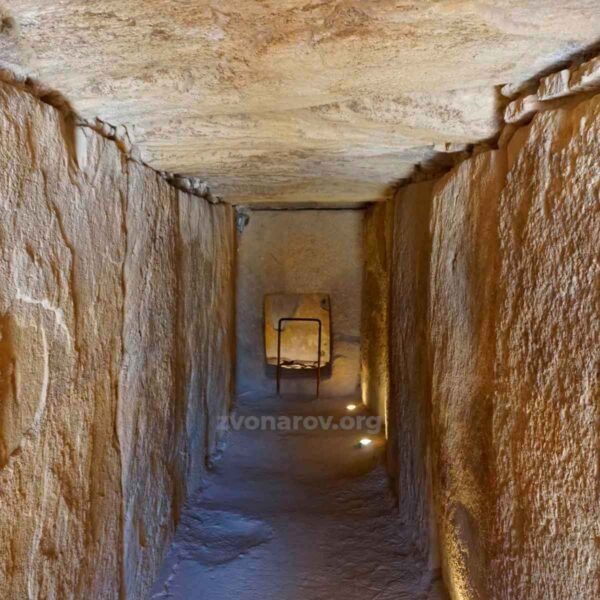
In the region of Antequera and throughout Andalusia many dolmens have been preserved, some of them of remarkable size. Yet the dolmen of Menga stands out for its scale and its state of preservation. Inside opens a vast chamber with enormous roof slabs carefully fitted together without the use of mortar. Blocks weighing up to 180 tons were placed so precisely that, despite the presence of gaps, the overall construction remains solid and stable.

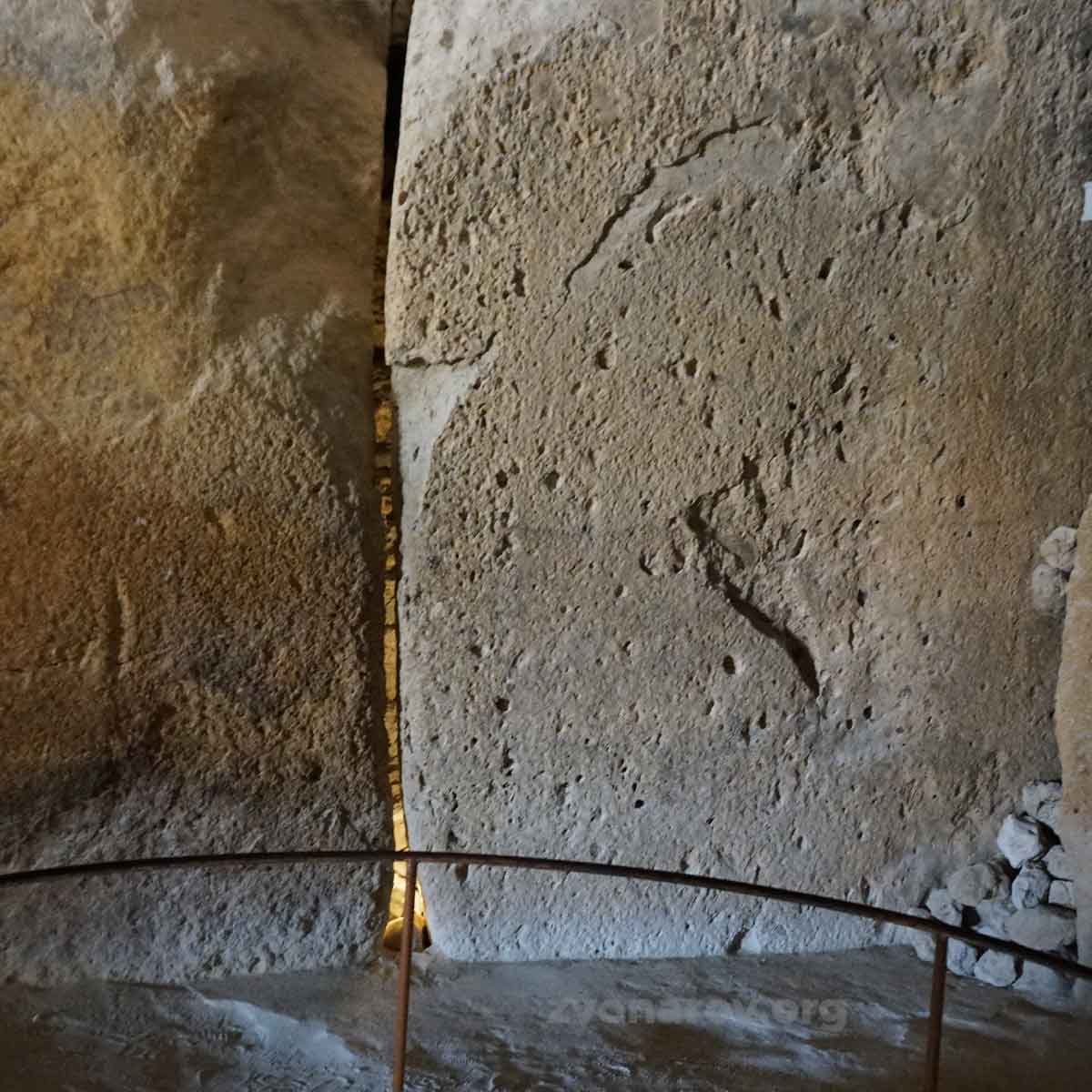
There are also hypotheses that behind the stone walls hidden voids or additional spaces may exist, suggested by the faint glow of lights placed by researchers in hard-to-reach niches. This only deepens the mystery surrounding the inner design of the dolmen Menga.

Stone corridor with slabs in Menga dolmen

Photo © Zvonarov

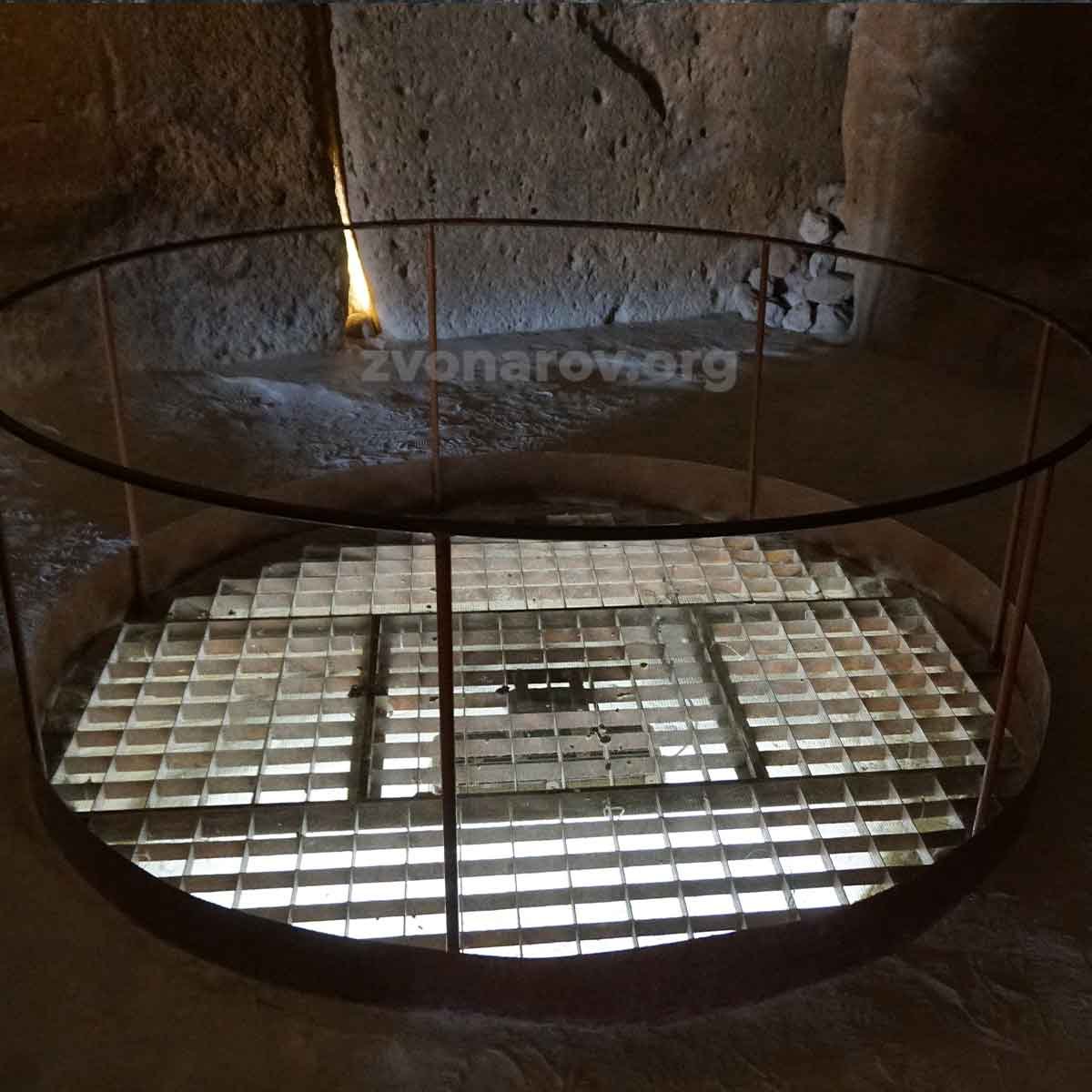
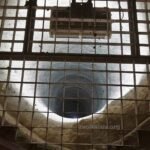
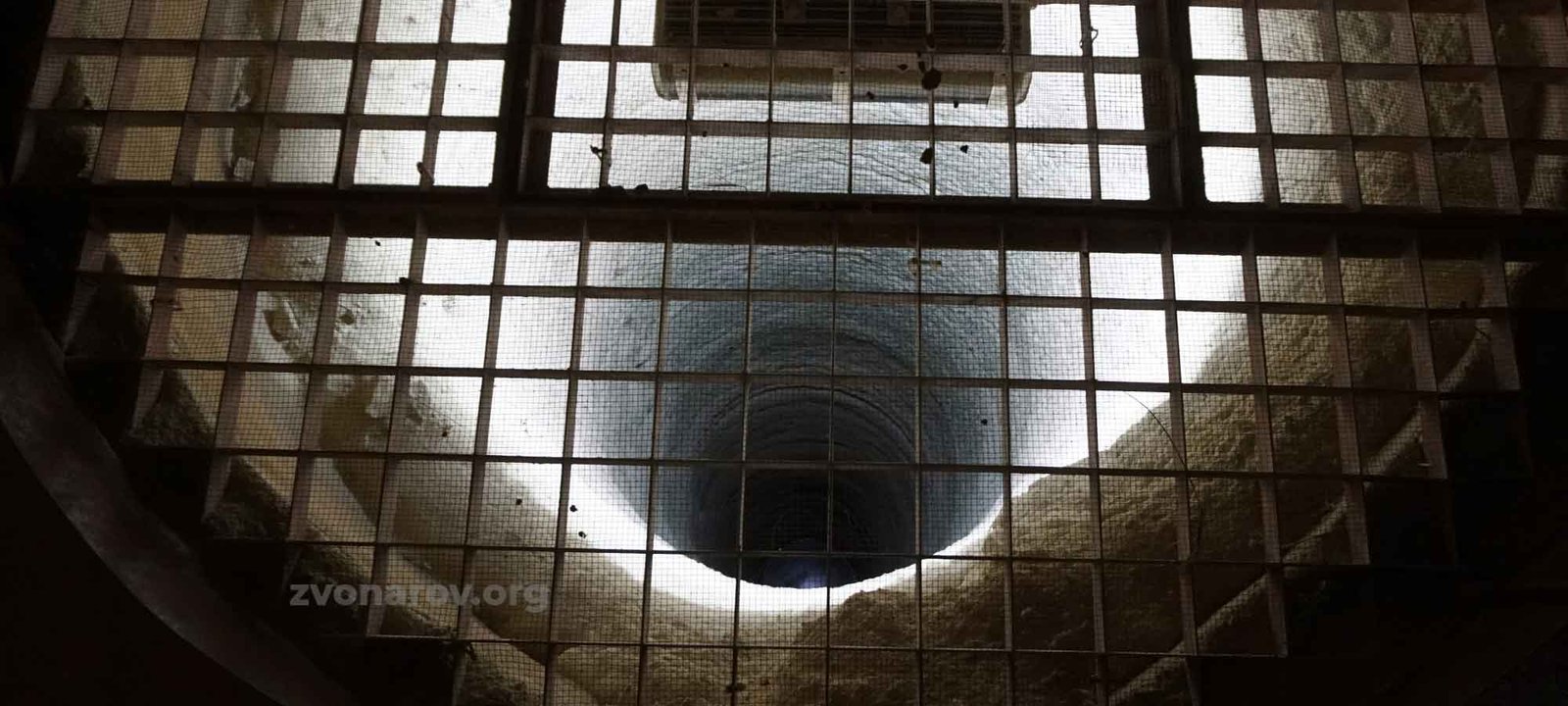
One of its most remarkable features is the deep well carved into the floor at the rear of the chamber. It has a diameter of about one and a half meters and a depth of nearly twenty meters — the height of an eight-story building. The shaft reaches the groundwater level and was fully explored in 2005. Scholars have not reached a consensus on its purpose. Two main theories exist:

Practical: the well served as a direct source of fresh water within the sanctuary, making the dolmen unique for the community that used it.

Ritual: the shaft symbolized a connection with the underworld and the element of water, acting as a sacred feature where offerings could be deposited.

Equally impressive is the orientation of the structure. The entrance of the dolmen de Menga faces the Peña de los Enamorados mountain, suggesting a link to cultic or astronomical beliefs of its builders.

Today, the Cueva de Menga is part of the Antequera Megalithic Complex, included in the UNESCO World Heritage List. The dolmen of Menga is not only an archaeological monument but also a unique testimony to ancient engineering, a mystery that continues to captivate researchers and visitors from around the world.

What is the Cueva de Menga and why is it notable?

The Cueva de Menga, also known as dolmen de Menga, is widely regarded as one of the largest dolmens in the world. Approaching its monumental entrance, visitors encounter a structure of striking scale and engineering ambition. While an official scholarly narrative exists, the true time of construction remains unknown, which sustains its enduring mystery.

Where is dolmen de Menga located and how is it oriented?

Dolmen de Menga stands in Antequera, in Andalusia, a region with many preserved dolmens. The entrance is oriented toward the Peña de los Enamorados mountain, a feature often interpreted as intentional and meaningful. This alignment suggests possible cultic or astronomical significance to its builders.

What will I see inside the chamber of dolmen of Menga?

Inside opens a vast chamber roofed by enormous stone slabs carefully fitted without mortar. Individual blocks weigh up to about 180 tons, yet the overall structure remains solid despite small gaps between stones. The precision and stability demonstrate sophisticated ancient engineering skills.

What is known about the deep well cut into the floor?

At the rear of the chamber lies a well approximately 1.5 meters in diameter and nearly 20 meters deep, reaching groundwater. It was fully explored in 2005, but its function is still debated among scholars. One view sees it as a practical water source; another interprets it as a ritual feature connected to the underworld and the element of water.

Are there hidden voids or additional spaces within dolmen Menga?

There are hypotheses that voids or extra spaces may exist behind the stone walls. This idea has been inspired by faint glows observed when lights are placed in hard-to-reach niches. Such observations contribute to the site’s intrigue, although definitive confirmation remains pending.

Could the structure have served as a protective shelter?

Some theories suggest the dolmen may have been used as a refuge, like a stone bunker to wait out bad weather or avoid wild animals. Whether the local inhabitants actually built the monument themselves remains an open question. It is also possible they adapted a structure that predated their arrival.

What is the site’s status today and can I visit it?

The Cueva de Menga is part of the Antequera Megalithic Complex, which is included on the UNESCO World Heritage List. The monument is open to visitors and continues to attract researchers and the public alike. Despite an official historical narrative, the true time of construction remains unknown, adding to the experience of exploration.

Comments

There are no comments yet.

Be the first to comment “Dolmen de Menga”

Your email address will not be published. Required fields are marked *