Dolmen de Viera

The Dolmen de Viera in Antequera, Málaga, is a striking example of corridor-type megalithic tomb architecture. Its long gallery and chamber, built from massive stone slabs without mortar, emphasize the monument’s precision and scale. Recognized by UNESCO as part of the Antequera Dolmens ensemble, it holds cultural significance in Andalusia. Despite official research, the true time of its construction remains a mystery, adding to its aura of ancient enigma.

Category:
Overview

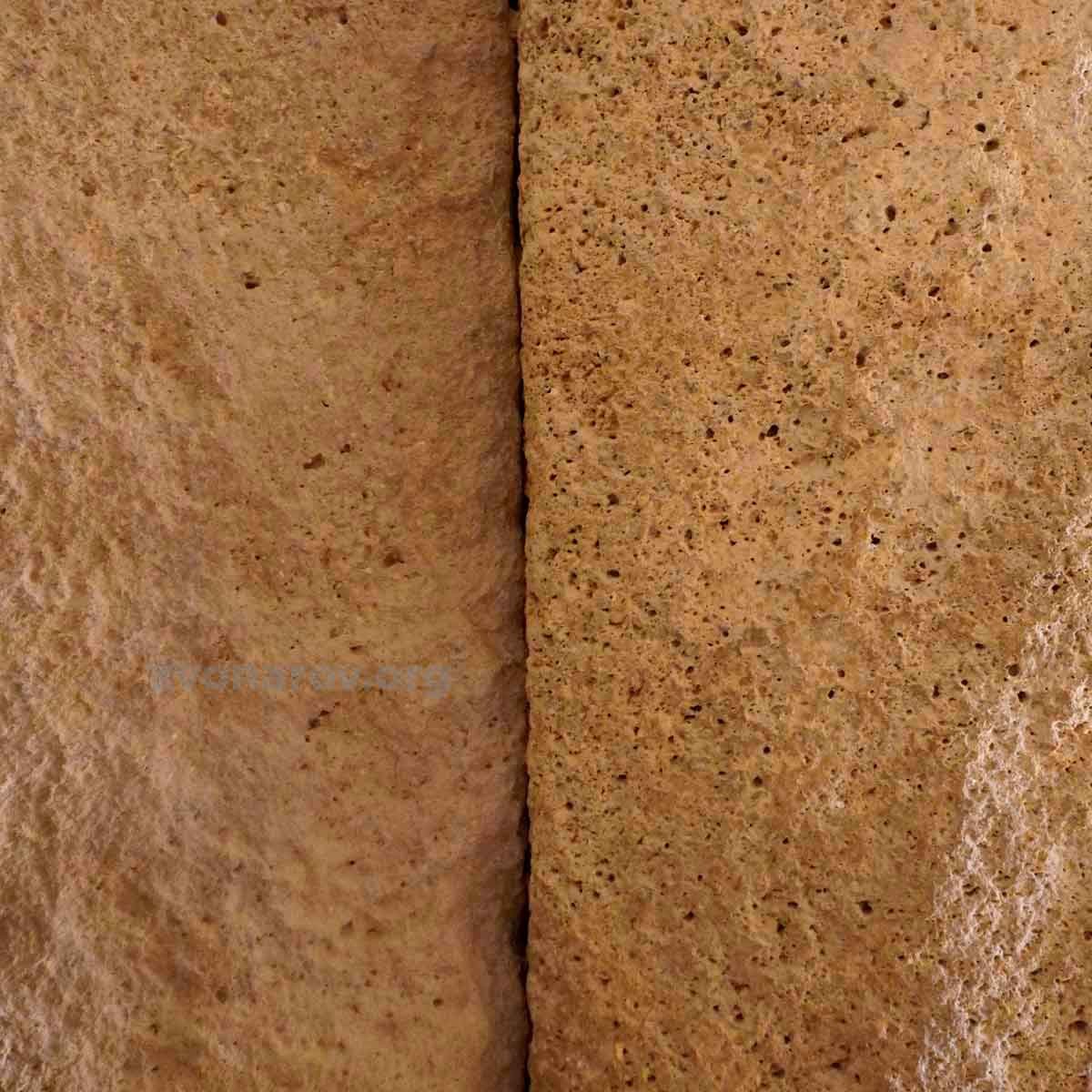
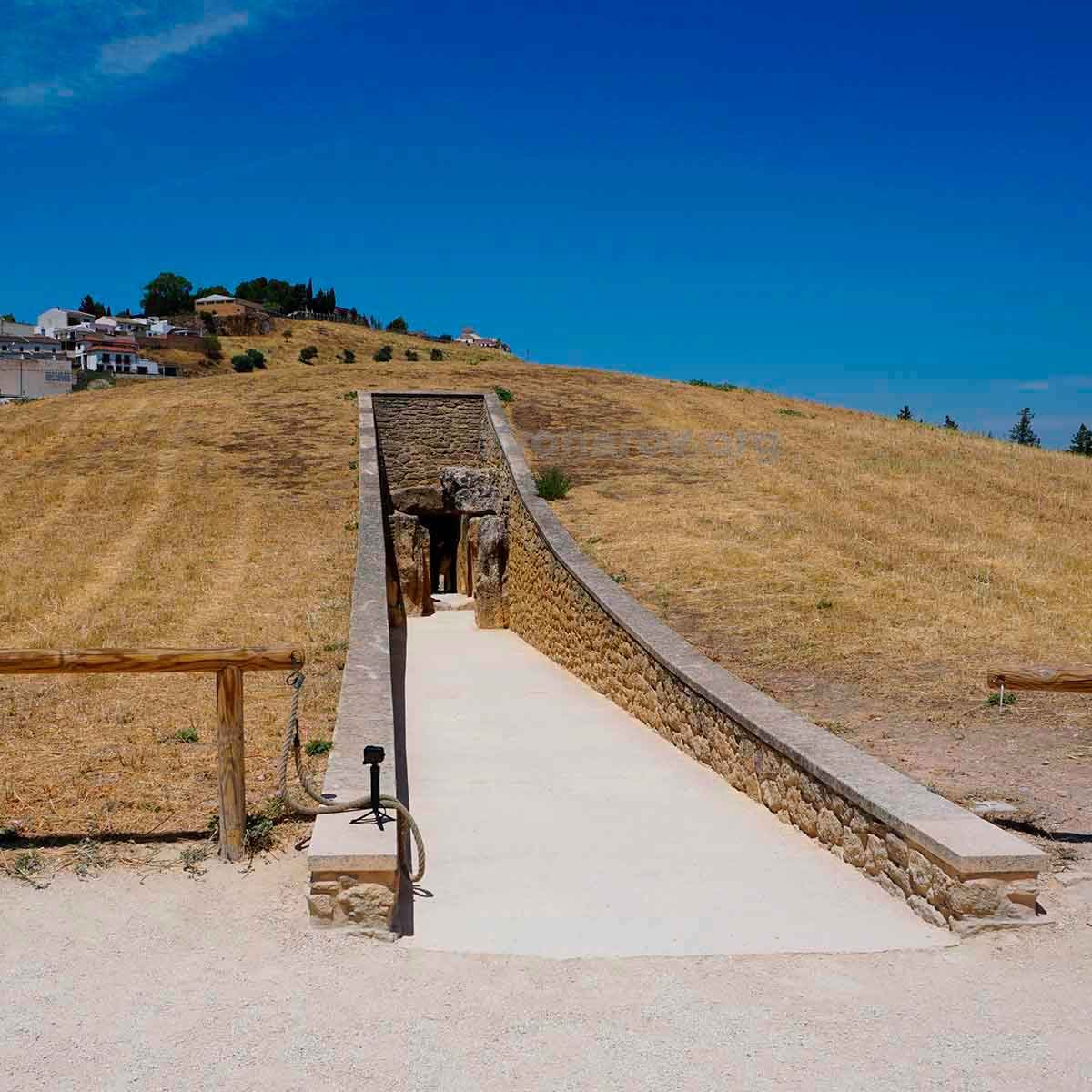
The Dolmen de Viera may stand in the shadow of the famous Cueva de Menga, but this megalithic monument has its own unique appeal. Its entrance resembles an ancient burial mound rising above the landscape. Beneath the mound stretches a long corridor leading to a burial chamber built entirely from massive dolmen stone blocks, carefully fitted without mortar. This structure is a perfect example of early dolmen architecture.

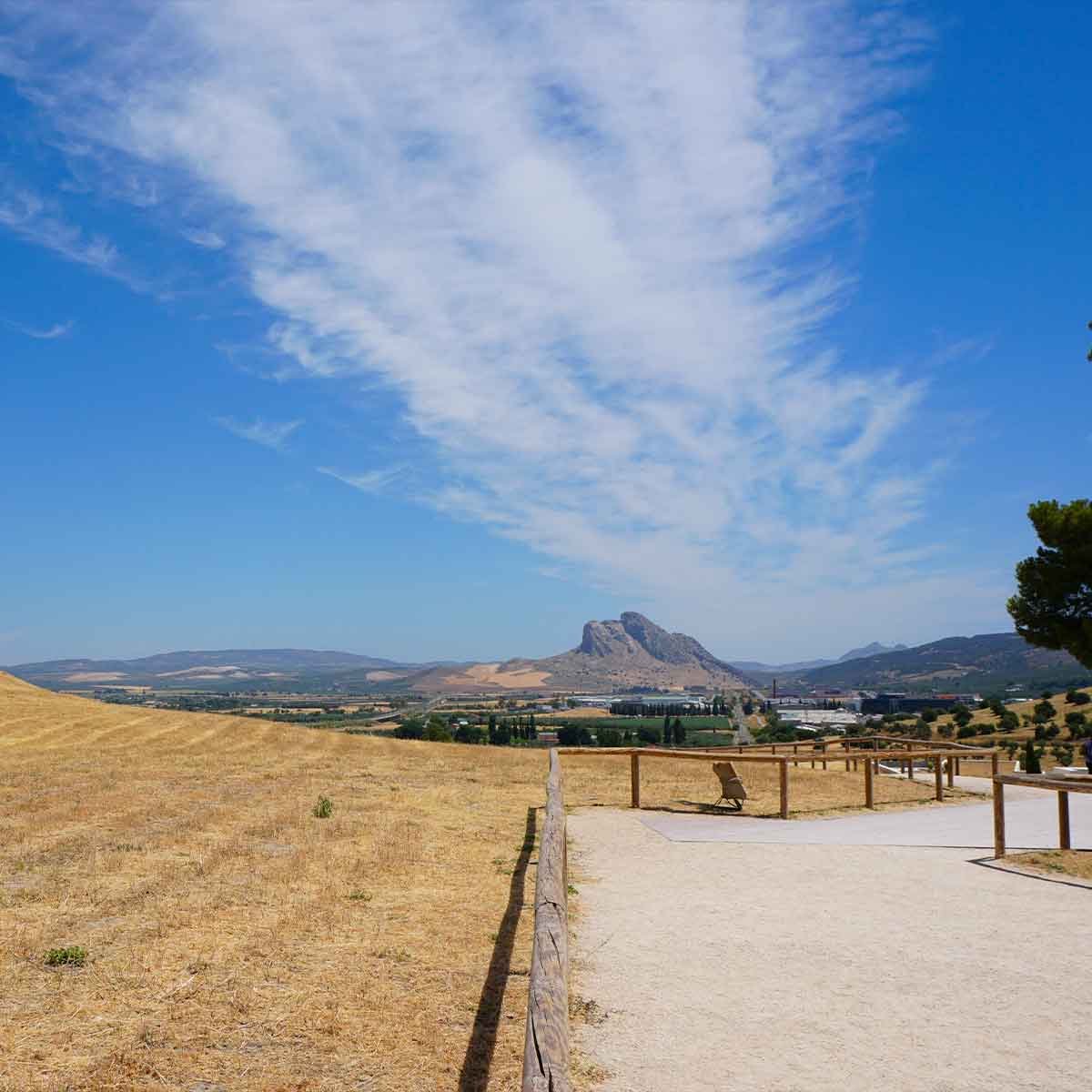
The dolmen is located in Antequera, in the province of Málaga, Andalusia, and belongs to the archaeological complex known as the Dolmenes de Antequera. This ensemble of dolmens, which also includes the Dolmen de Menga and the Dolmen del Romeral, was declared a UNESCO World Heritage Site in 2016 and recognized as a cultural landmark of Spain. The Dolmen de Viera is therefore not only an impressive ancient tomb but also part of a wider necropolis that highlights the meaning of megalithic culture in southern Europe.

In terms of dolmen architecture, Viera follows the classical corridor-dolmen type typical of the Atlantic tradition. Its gallery is about 21 meters long and leads into a small square chamber measuring roughly two meters in height. The entrance is cut directly into a single stone slab, while the walls and ceiling are formed by vertical and horizontal megaliths. The entire dolmen structure is covered by a mound nearly fifty meters in diameter, emphasizing its monumental nature.

Archaeological research suggests that the Dolmen de Viera was built during the Neolithic period, between 3510 and 3020 BC. Later, during the Bronze Age, the monument continued to be used, with human remains and ritual objects placed inside. Like many dolmens, its primary function was funerary, but the exact dolmen meaning for the communities that built it remains open to interpretation.

The history of this dolmen began in 1903 when brothers Antonio and José Viera Fuentes discovered the site, originally called the “Cueva Chica” or “Little Cave.” In the mid-20th century, the dolmen was partially restored and cleared, and scientific studies continue to this day. Each campaign sheds new light on the significance of this megalith and its role within the broader dolmenes de Antequera landscape.

One of the most fascinating aspects of the Dolmen de Viera is its orientation. Unlike the nearby Dolmen de Menga, which aligns with the Peña de los Enamorados mountain, Viera faces east. On the days of the equinox, sunlight travels through the passage and illuminates the inner chamber. This astronomical alignment suggests an intentional design and adds symbolic depth to its dolmen architecture.

Although smaller than the Dolmen de Menga, the Dolmen de Viera stands out for its precision and craftsmanship. Along the passage, characteristic cup-marks are carved into the stones, a decorative element seen in other megalithic traditions. Inside, traces of red pigments still remain on the walls, pointing to ritual practices linked to color symbolism in ancient cultures.

Situated just seventy meters from the Dolmen de Menga, the Dolmen de Viera forms part of a unique necropolis together with Menga and the Dolmen del Romeral. Some researchers believe that Viera may have served as a secondary or auxiliary burial site, reserved for specific groups or ceremonies.

Today, the Dolmen de Viera continues to guard its secrets and remains one of the key monuments of Neolithic Andalusia. As part of the dolmens of Antequera, it connects us with the enduring legacy of megalithic builders and preserves the memory of a mysterious past.

Where is the Dolmen de Viera located?
The Dolmen de Viera is located in Antequera, in the province of Málaga, Andalusia, Spain. It forms part of the Dolmens of Antequera archaeological ensemble, which also includes the Dolmen de Menga and the Dolmen del Romeral. This group of monuments was declared a UNESCO World Heritage Site in 2016 and is recognized as a cultural landmark of Spain.
What is the architectural style of the Dolmen de Viera?
The Dolmen de Viera follows the classical corridor-dolmen type, typical of the Atlantic tradition of megalithic monuments. Its long gallery, built from massive stone slabs without mortar, leads into a square burial chamber. Covered by a large mound, this structure represents an outstanding example of early dolmen architecture in Europe.
When was the Dolmen de Viera built?
Archaeological studies suggest that the Dolmen de Viera dates back to the Neolithic period and was later reused during the Bronze Age. However, despite the existence of an official version of its history, the true time of its construction remains unknown. This mystery adds to the monument’s aura and cultural significance.
What was the purpose of the Dolmen de Viera?
The Dolmen de Viera was primarily a funerary monument, as evidenced by the human remains and ritual objects found inside. However, many aspects of its symbolic role remain open to interpretation. Its astronomical orientation during equinoxes suggests it may also have been linked to ritual or ceremonial practices.
What makes the Dolmen de Viera unique compared to other dolmens?
Although smaller than the nearby Dolmen de Menga, the Dolmen de Viera is admired for its precision and craftsmanship. It features carved cup-marks on the stones and traces of red pigments on the walls, linking it to ritual traditions and symbolic practices. Its equinox alignment further enhances its uniqueness among European dolmens.
Can visitors explore the Dolmen de Viera today?
Yes, the Dolmen de Viera is open to visitors as part of the Antequera Dolmens archaeological site. Tourists can walk along its corridor and view the chamber where ancient rituals once took place. Visiting this monument provides a direct connection with Neolithic culture and its mysterious legacy.
Comments

There are no comments yet.

Be the first to comment “Dolmen de Viera”

Your email address will not be published. Required fields are marked *