

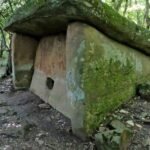
Dolmen Maya

Dolmen Maya, located near Pshada in the Western Caucasus, is remarkable for its open rear wall that lets visitors see the interior chamber and the fitting of the slabs. Unlike many other dolmens, it provides a rare educational example of ancient construction methods. Despite the official historical version, the true time of its construction remains unknown, adding a sense of mystery to the monument.

Category:
Overview

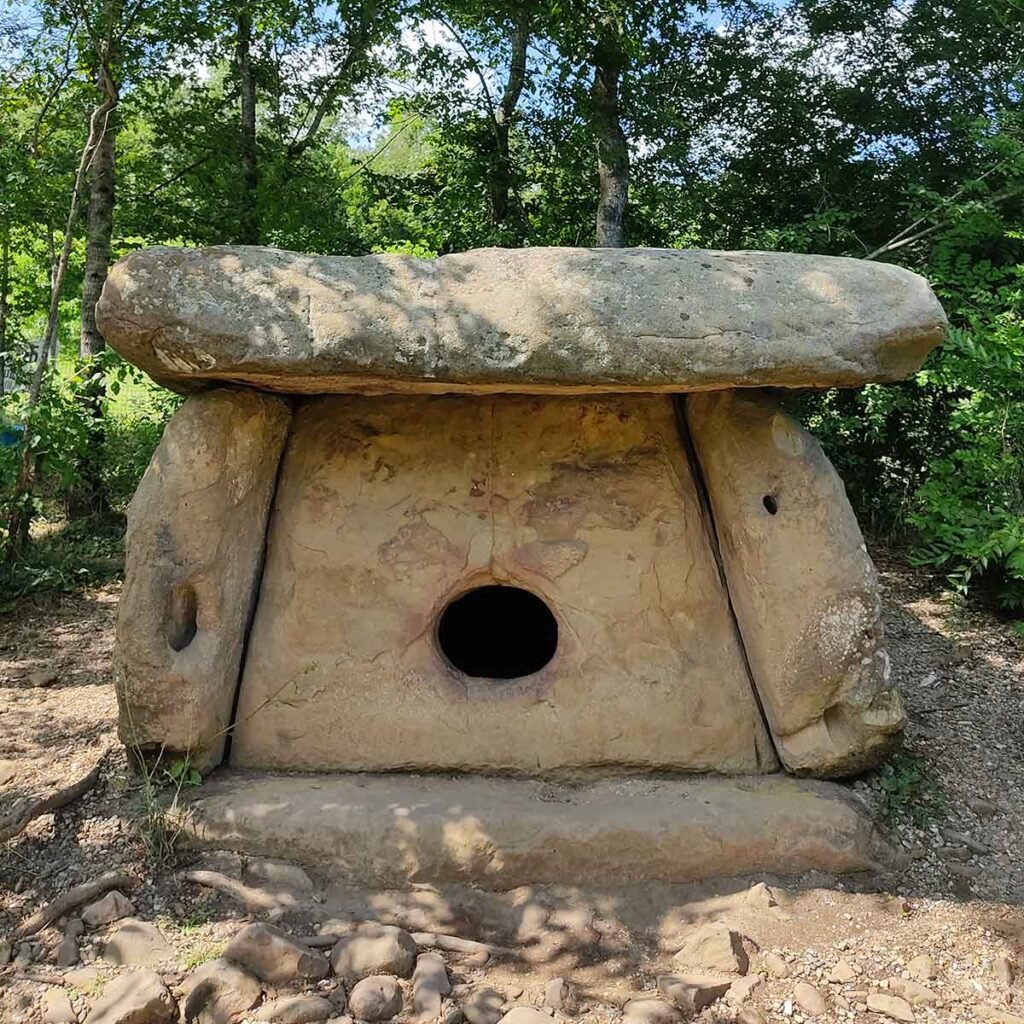
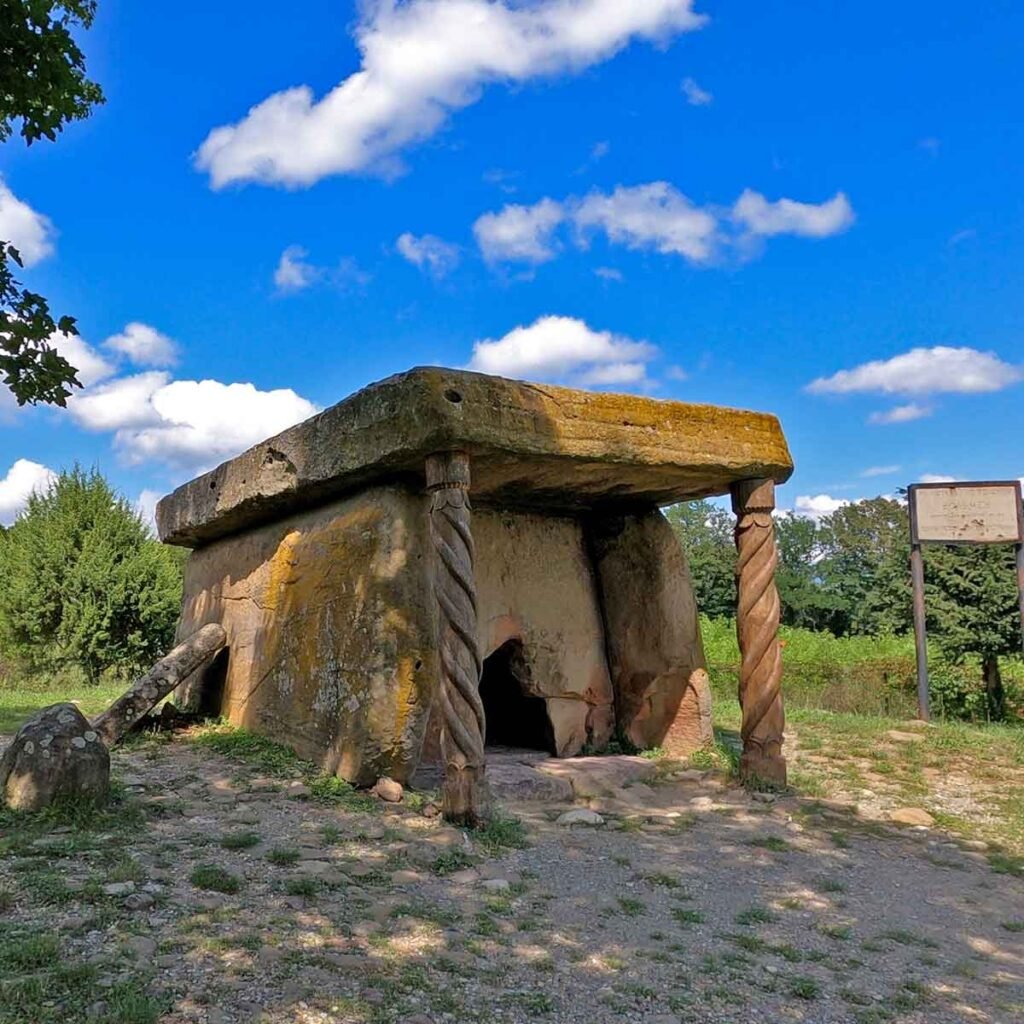
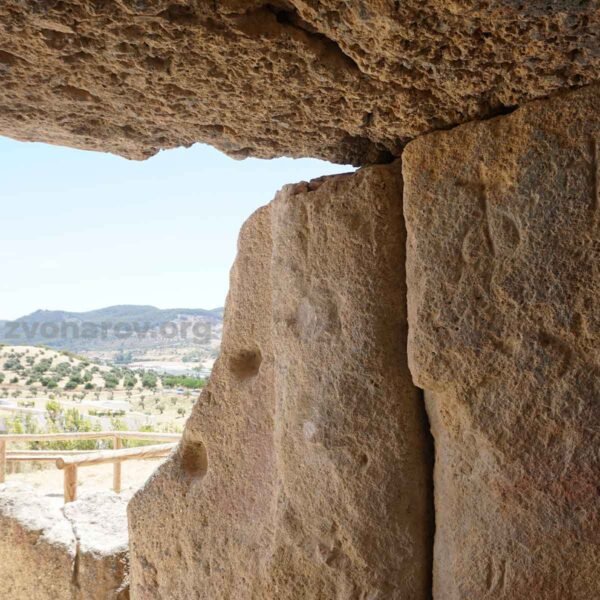
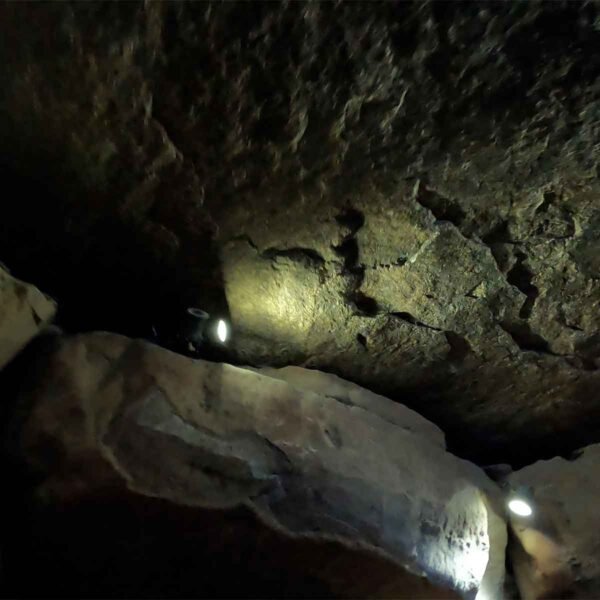
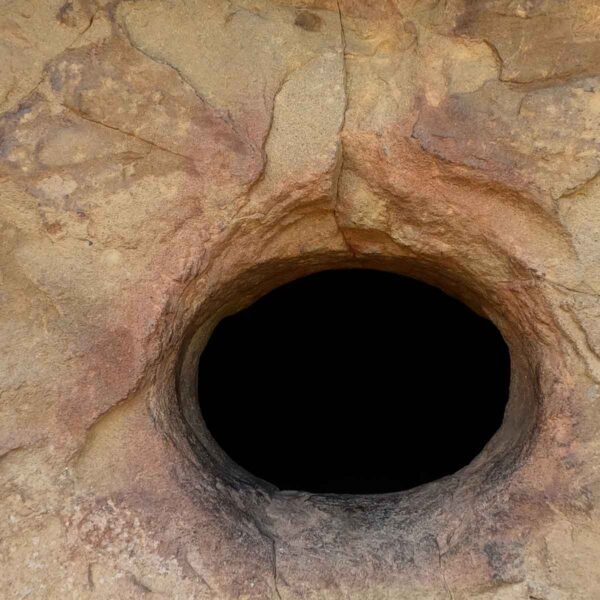
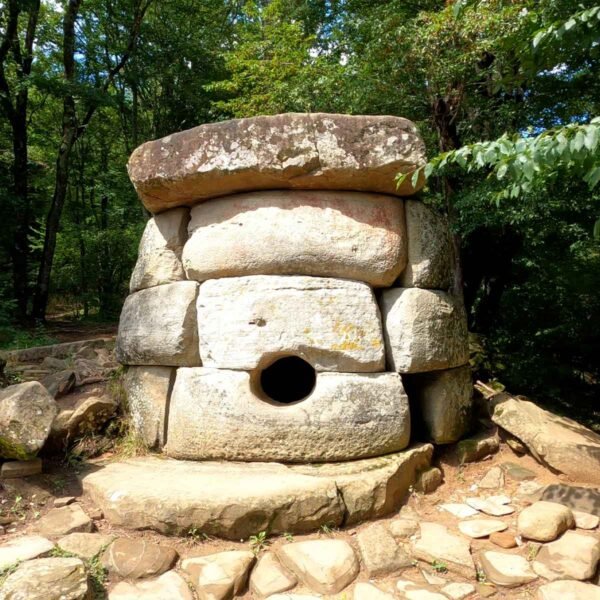
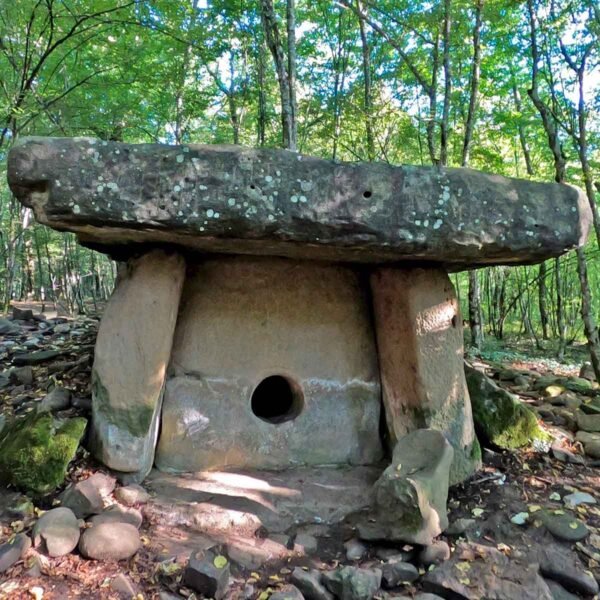
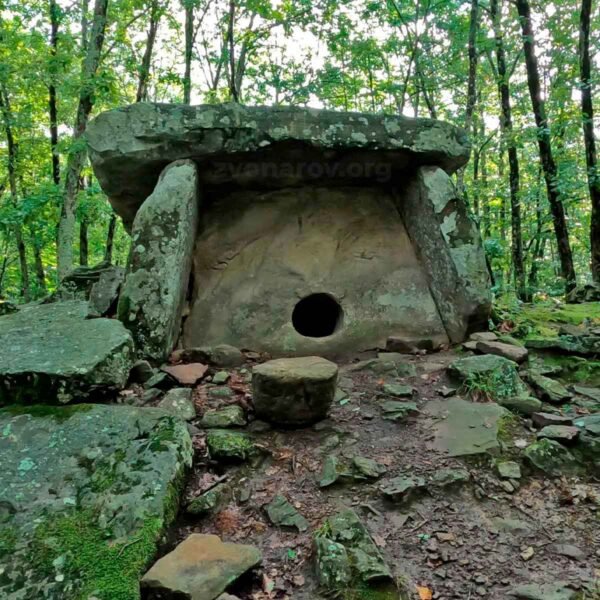
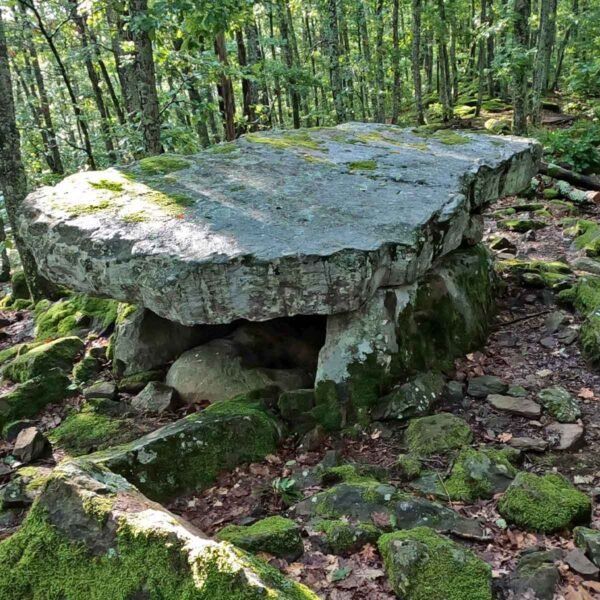
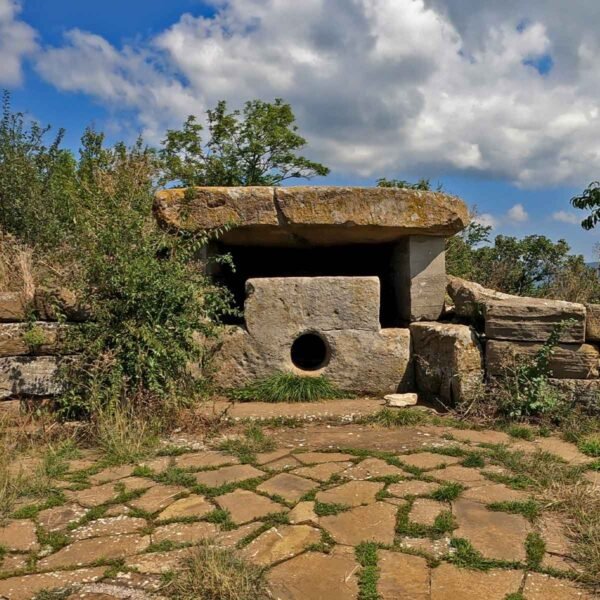
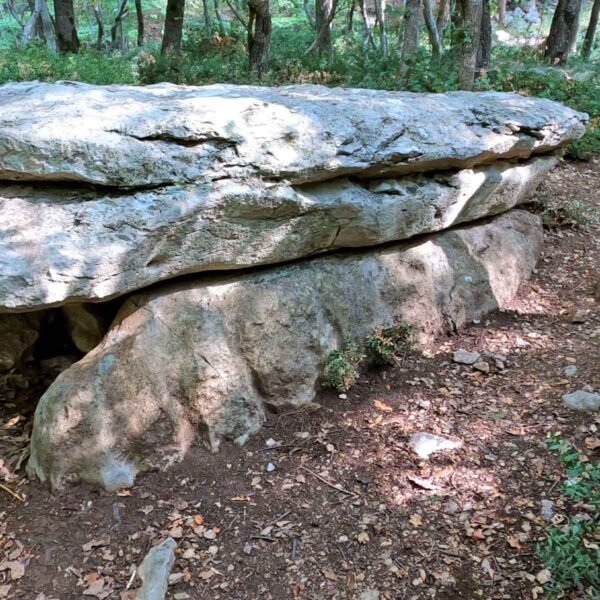
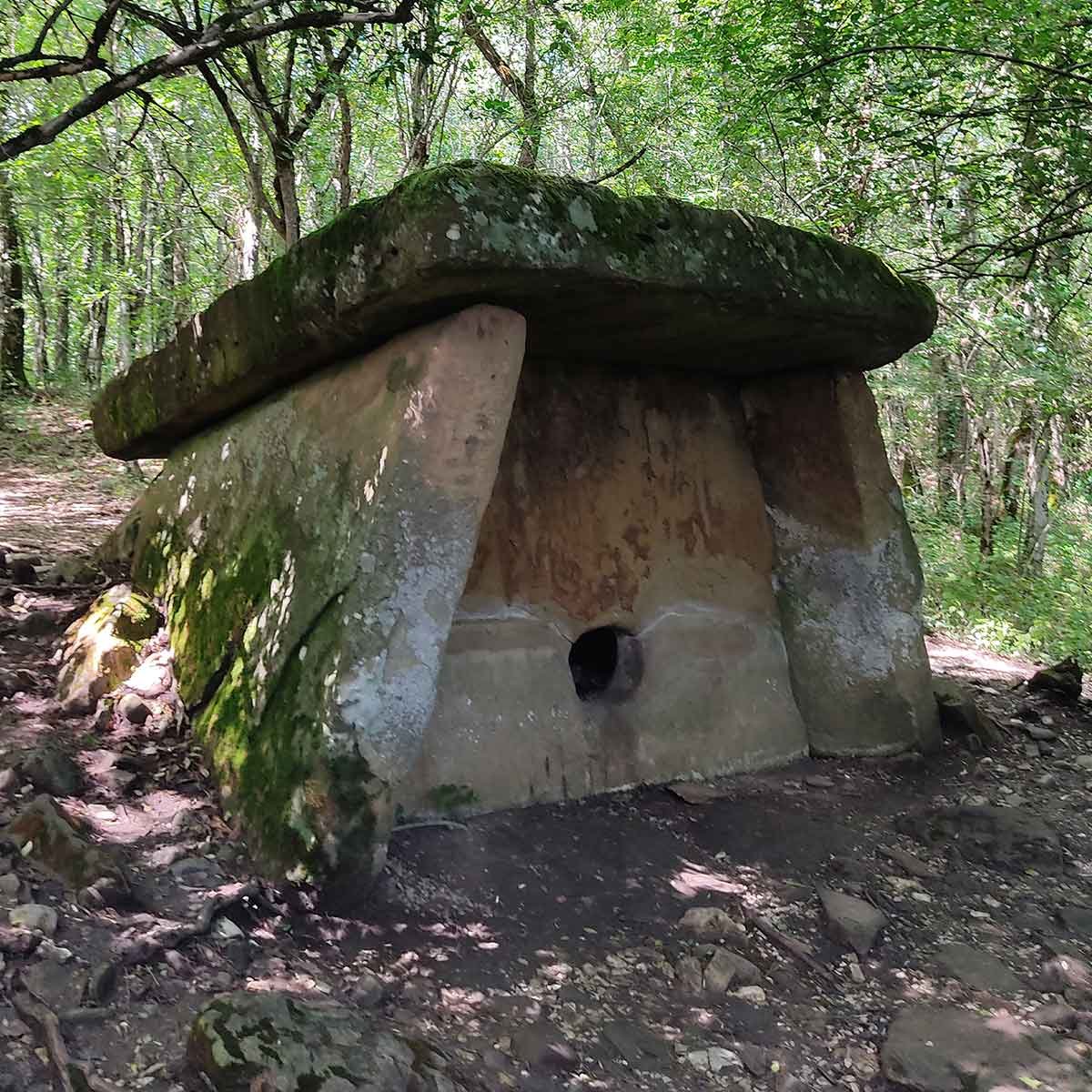
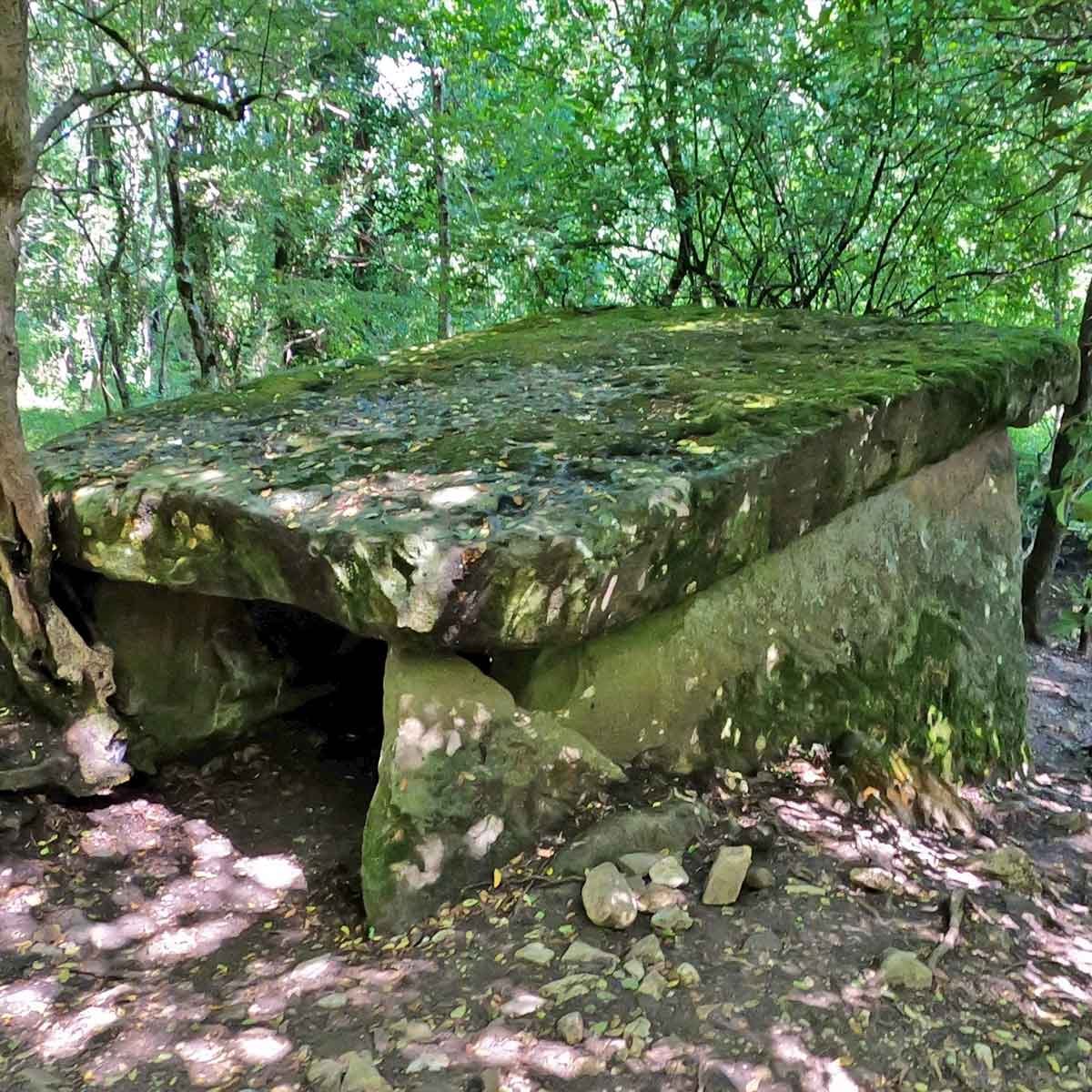
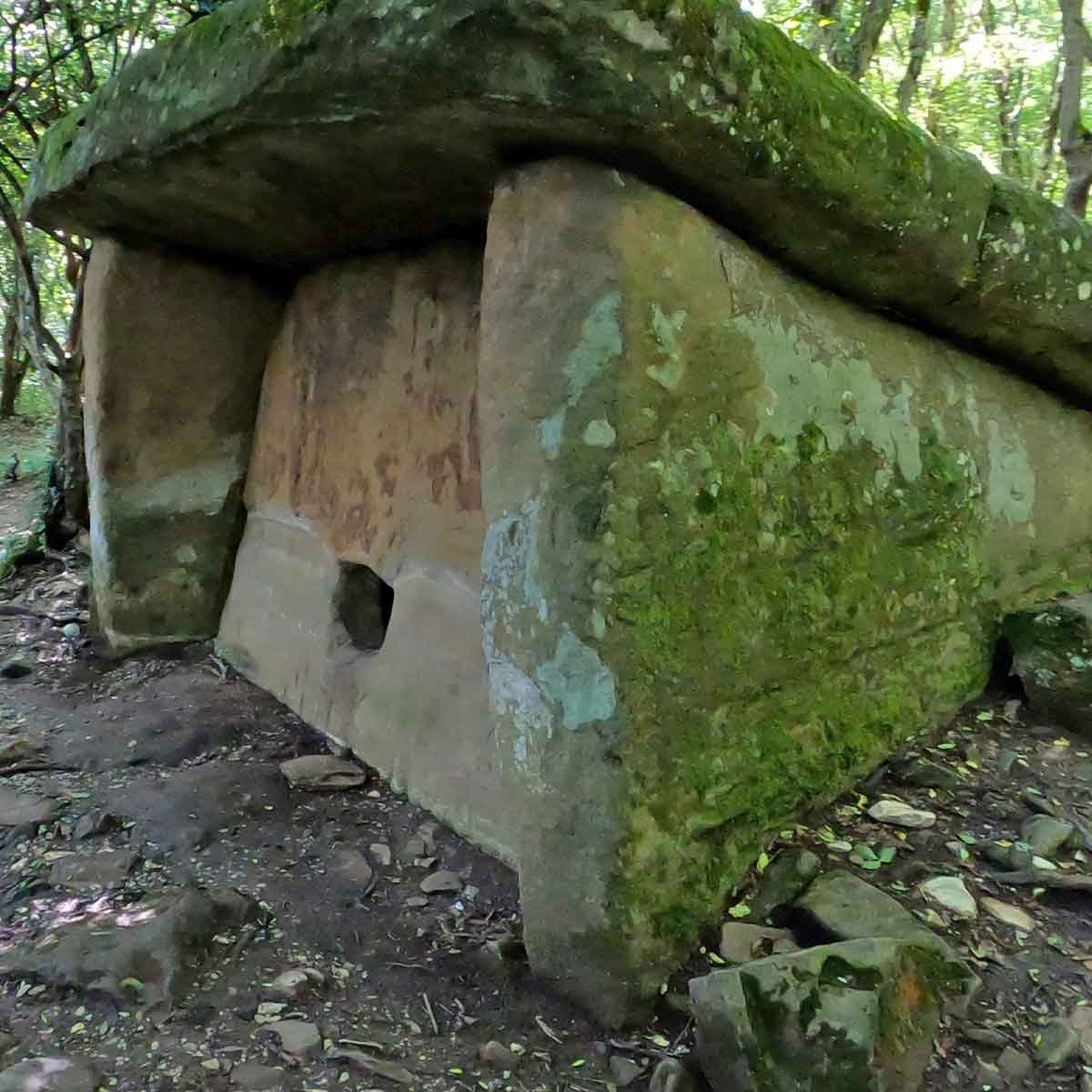
Dolmen "Maya" is a neat, slightly elongated dolmen without a back wall, which allows you to look inside from the rear and see the fitting of the slabs. It stands a few meters from the dolmen "Khan" on the territory of the peasant farm "Dolmen" near Pshada; this small complex also includes "Tor" and "Tenderness". The open back makes "Maya" a clear "educational" example: it is easy to see how the chamber was assembled and how the facade with the round hole for the stone plug works.

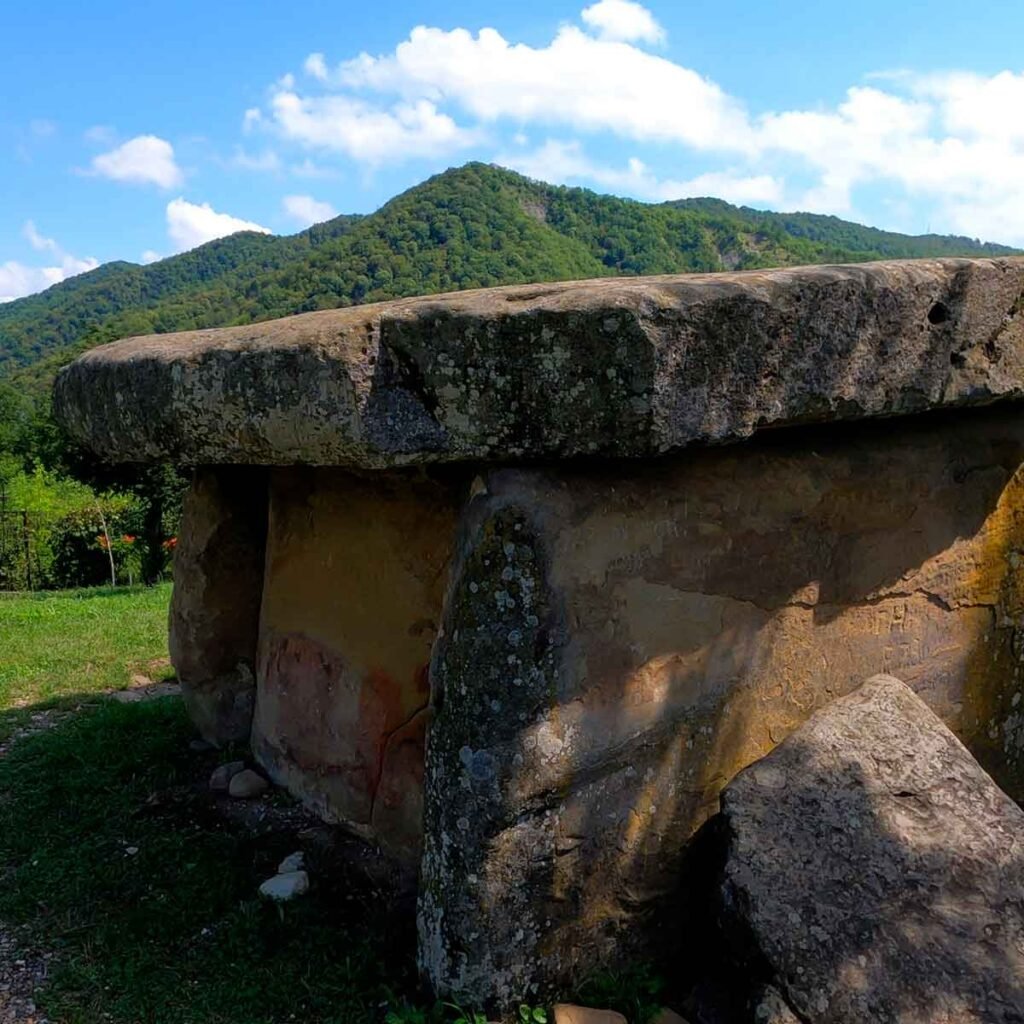
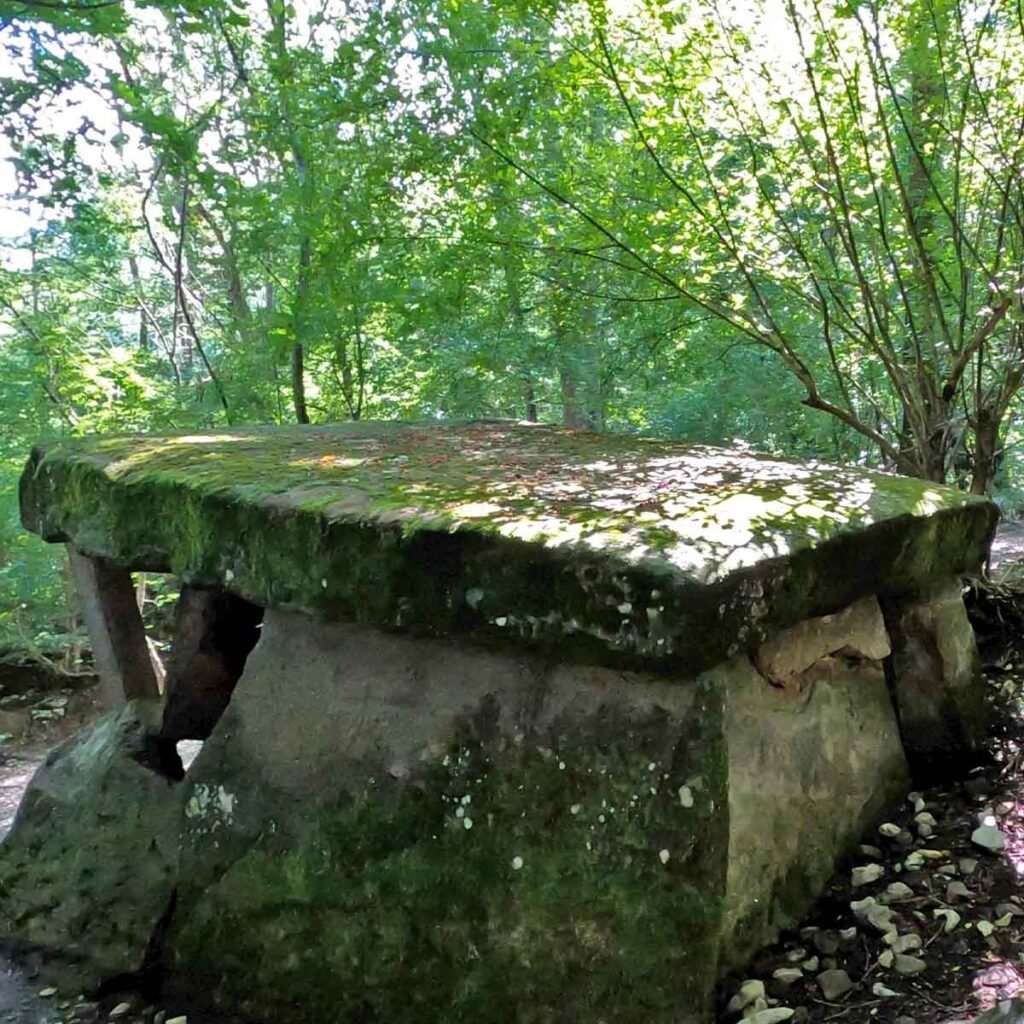
The surroundings of Pshada are one of the key areas of the Western Caucasus, where dolmens are found both on protected sites and in the forest, far from tourist trails. Most of the structures in the region are built from local sandstone (less often from limestone); there are both slab dolmens made of large stone slabs and semi-monolithic ones, carved into a sandstone massif and covered with a slab. Against this background, "Maya" is interesting because it allows you to see the interior space without interfering with the structure.

Where is Dolmen "Maya" located?
Dolmen "Maya" is situated near the village of Pshada in the Western Caucasus, on the territory of the peasant farm "Dolmen". It stands just a few meters away from Dolmen "Khan" and belongs to a small complex that also includes "Tor" and "Tenderness". This area is considered one of the most important dolmen clusters of the region.
What makes Dolmen "Maya" unique among other dolmens?
Unlike most dolmens of the Western Caucasus, Dolmen "Maya" has no back wall, allowing visitors to look directly inside. This rare feature turns it into an "educational" example, clearly showing how the chamber was assembled and how the facade with its round entrance hole for a stone plug was designed. Such accessibility is unusual and highly valuable for researchers and tourists.
Can visitors see the interior of Dolmen "Maya"?
Yes, thanks to its open rear, the inner space of Dolmen "Maya" can be seen without disturbing the structure. Visitors can observe the careful fitting of the slabs and understand how the ancient builders worked with local sandstone. This feature makes it especially interesting for those who want to explore the construction details of megalithic monuments.
What material was used to build Dolmen "Maya"?
Dolmen "Maya" was constructed from large slabs of local sandstone, a material widely used for dolmens in the Western Caucasus. In some cases, limestone was also applied in the region, but here the builders relied on sandstone. The preserved blocks demonstrate the remarkable skills of prehistoric stonemasonry and precise slab fitting.
When was Dolmen "Maya" built?
Although there is an official version placing Caucasian dolmens in remote antiquity, the true time of construction of Dolmen "Maya" remains unknown. Archaeologists continue to study these megaliths, yet no definitive dating has been confirmed. This uncertainty adds to the monument’s aura of mystery and cultural significance.
Is Dolmen "Maya" part of a larger complex?
Yes, Dolmen "Maya" belongs to a small group of dolmens near Pshada, which includes "Khan", "Tor" and "Tenderness". Together, they form a compact archaeological site that demonstrates different variations of megalithic construction. This makes it an attractive destination both for scientific exploration and cultural tourism.
Comments

There are no comments yet.

Be the first to comment “Dolmen Maya”

Your email address will not be published. Required fields are marked *