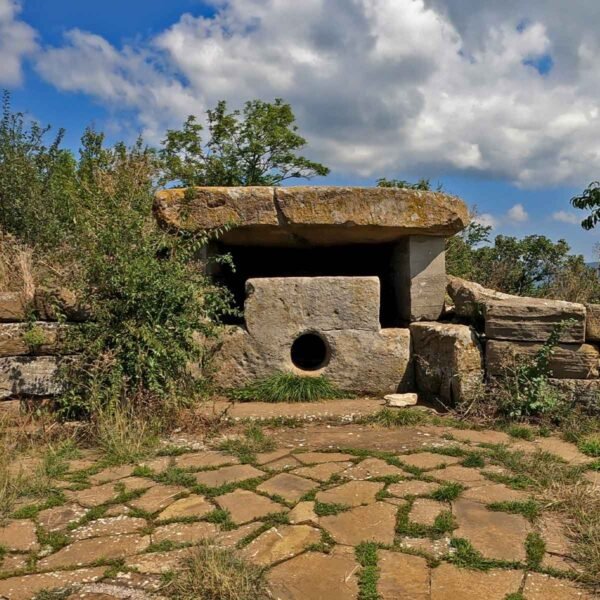
Dolmen Patriarch in Pshada
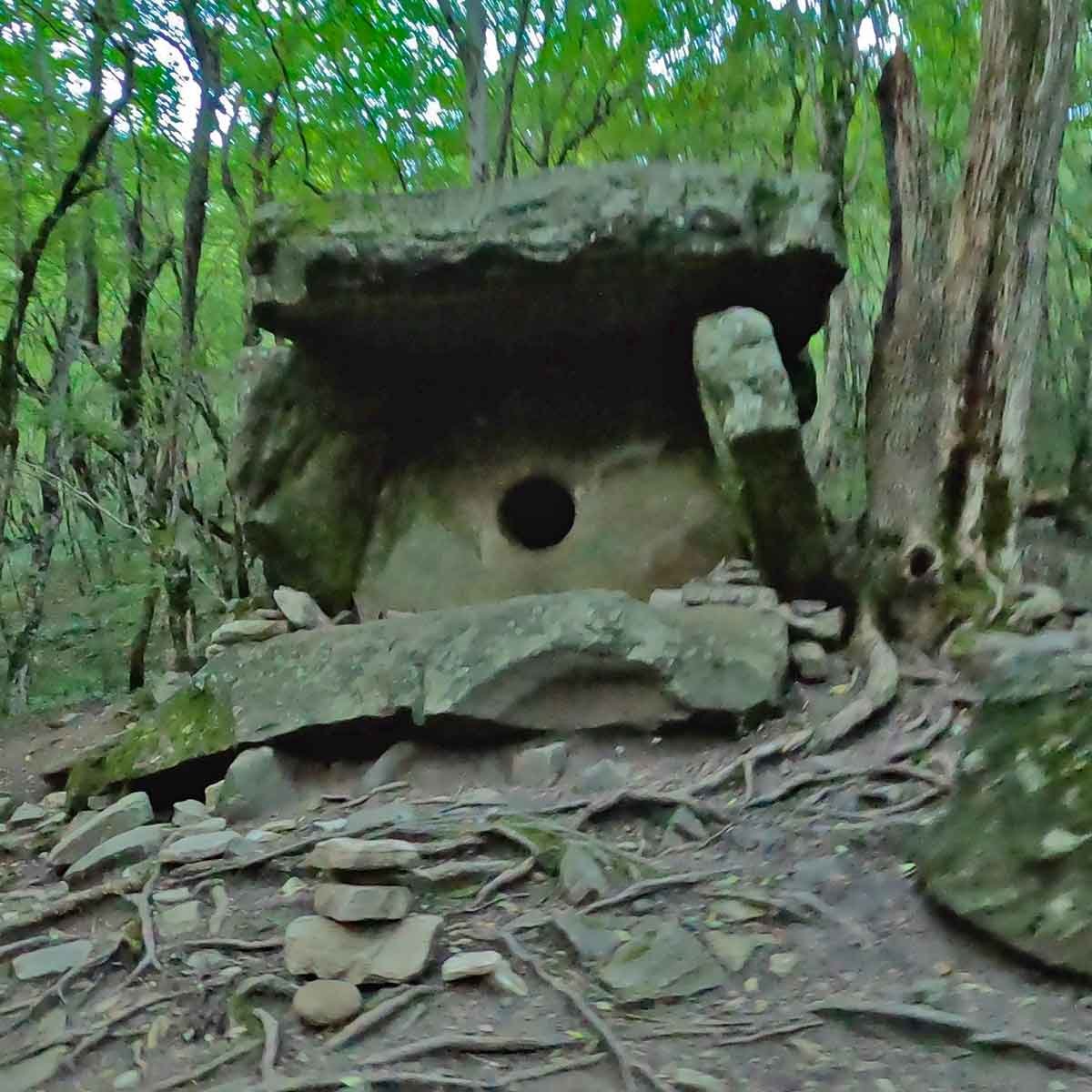
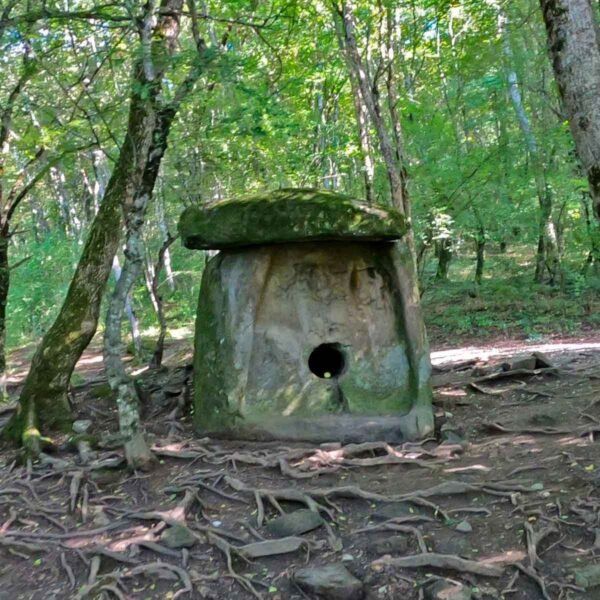
In the video you can notice an interesting detail: the roots of the trees around the dolmen twist along the surface of the ground instead of going underground. Meanwhile, the surrounding forest looks ordinary, with roots hidden deep in the soil and invisible on the surface.
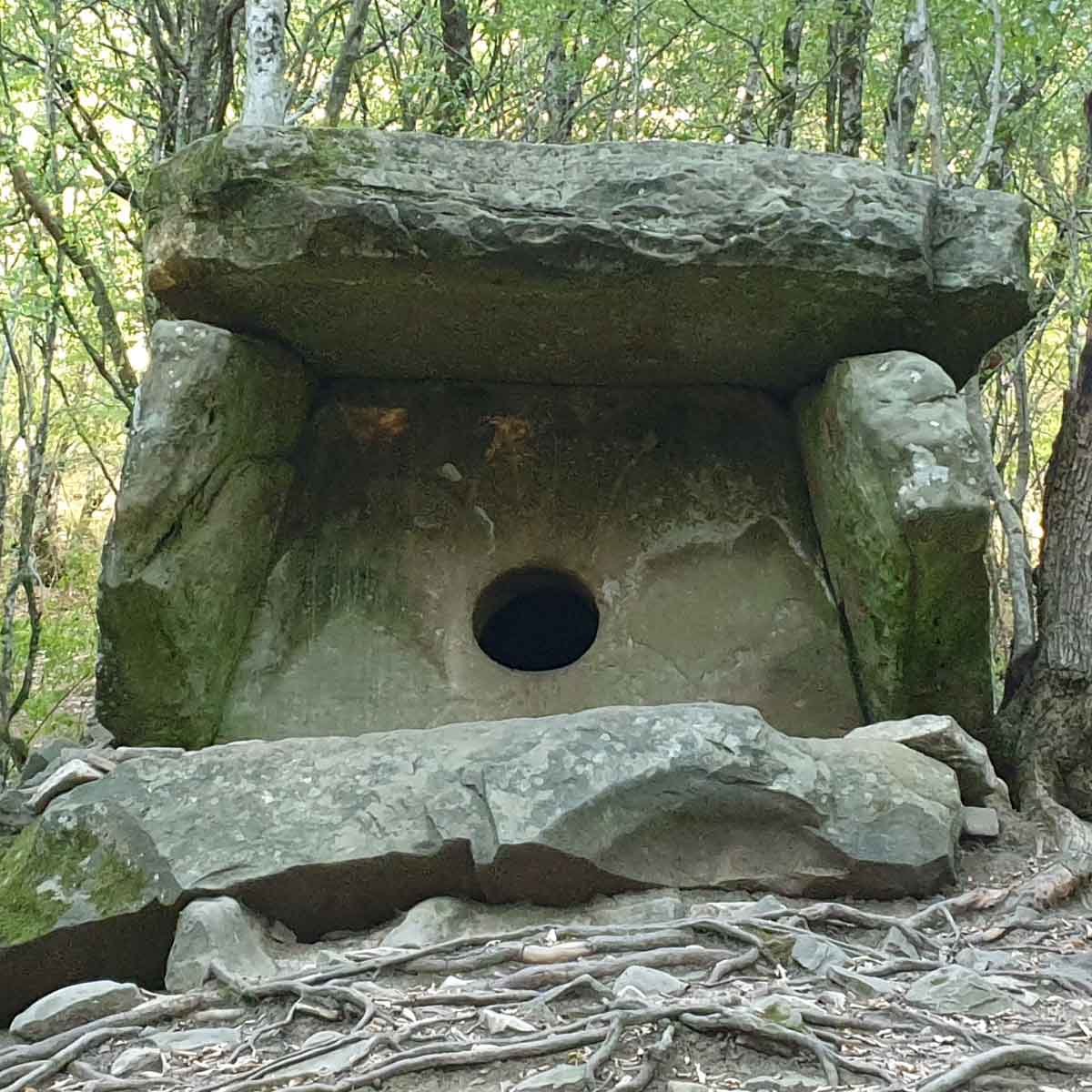
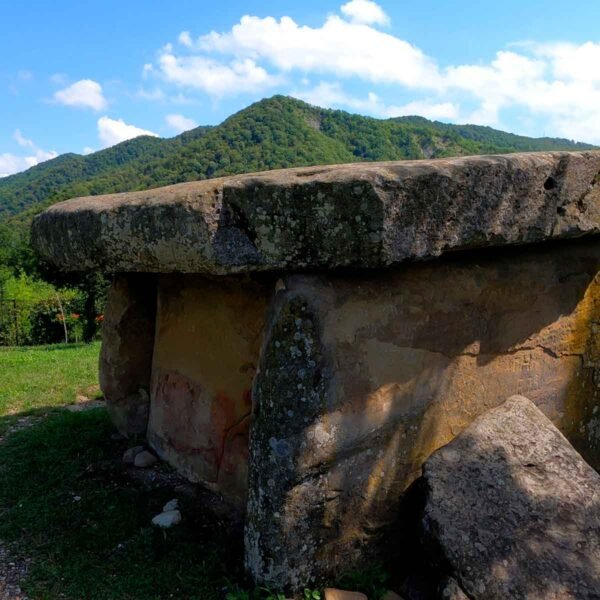
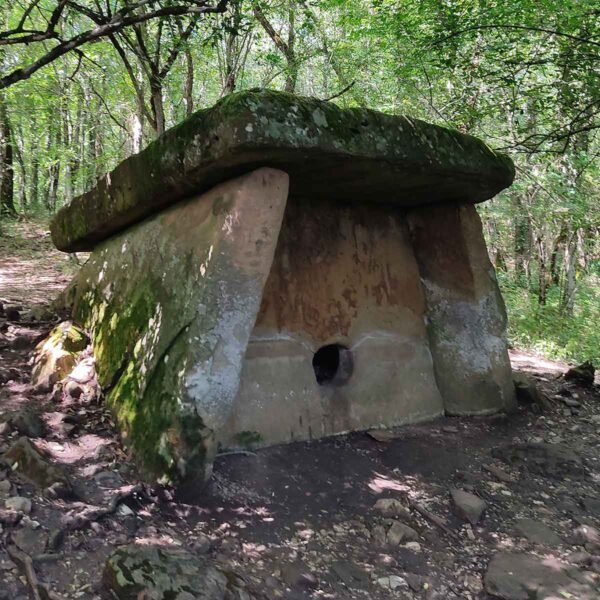
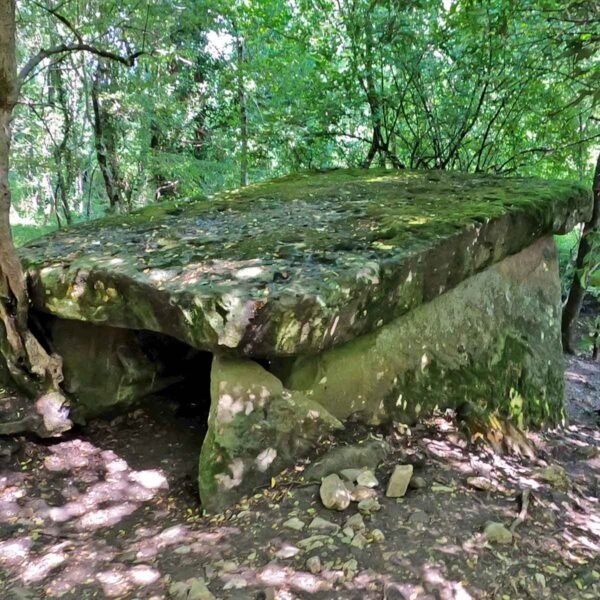
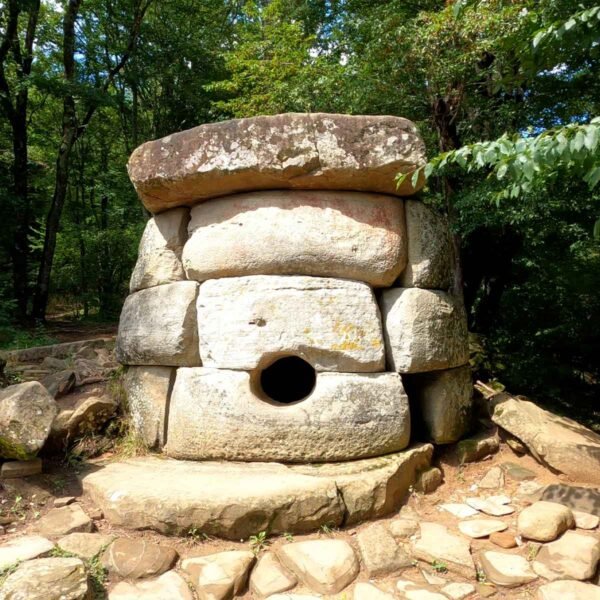
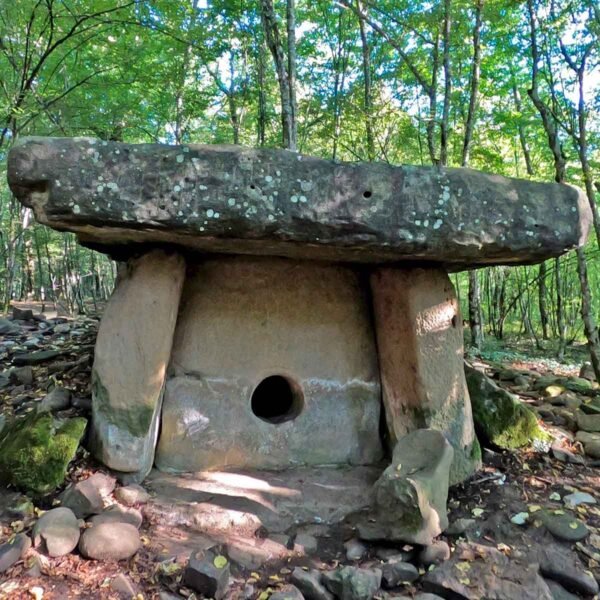
Dolmen Patriarch, located in the basin of the Pshada River in the Gelendzhik district, is considered one of the most remarkable monuments of megalithic culture in the Caucasus. It is situated about four kilometers from the village of Pshada, near an apple orchard and surrounded by a dense forest.
What makes this site especially intriguing is the surrounding nature. As seen in a video, the tree roots near the dolmen twist across the ground surface rather than growing underground. In contrast, the rest of the forest shows typical tree roots that remain hidden deep in the soil. This unusual phenomenon adds another layer of mystery to the dolmen’s atmosphere.

According to the official historical version, Caucasian dolmens date back to the Bronze Age. Some researchers suggest they were used for rituals or burials, while local legends attribute sacred or mystical meanings to them. Yet the truth remains unknown, and their exact purpose is still debated.
Today, Dolmen Patriarch is not only an archaeological monument but also an important part of the cultural heritage of the region. Its remote location and good state of preservation make it a significant destination for those interested in the ancient megaliths of the Caucasus.

There are no comments yet.