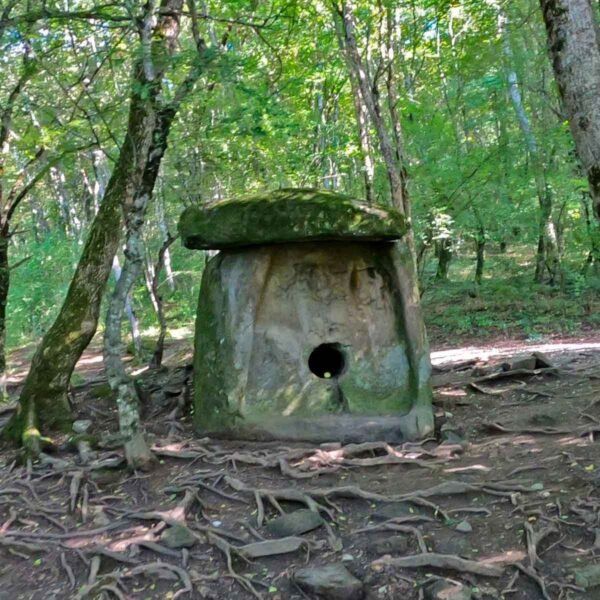
Dolmens of Tsygankovo (Pshada)
The author managed to visit the site with a local guide. Part of the route led through water ankle-deep, followed by an ascent into the forest. Here a dolmen with a preserved plug stone was found — a rare discovery that makes this place unique.
In Tsygankovo there is a large cluster of dolmens that are not marked on any map and that very few people know about. When I was in Pshada, I talked to people who work as jeep drivers and lead tours to the dolmens. I asked them about dolmens with preserved plug stones and requested to be taken somewhere that tourists usually do not go, because I had already visited all the tourist sites myself.
They answered that there was nothing else in the area, since they had been working there all their lives, guiding tours and knowing everything. My main request was to be shown a dolmen with a preserved plug stone. But they told me that such plugs no longer exist because they were either looted, taken into private collections, or moved to museums.
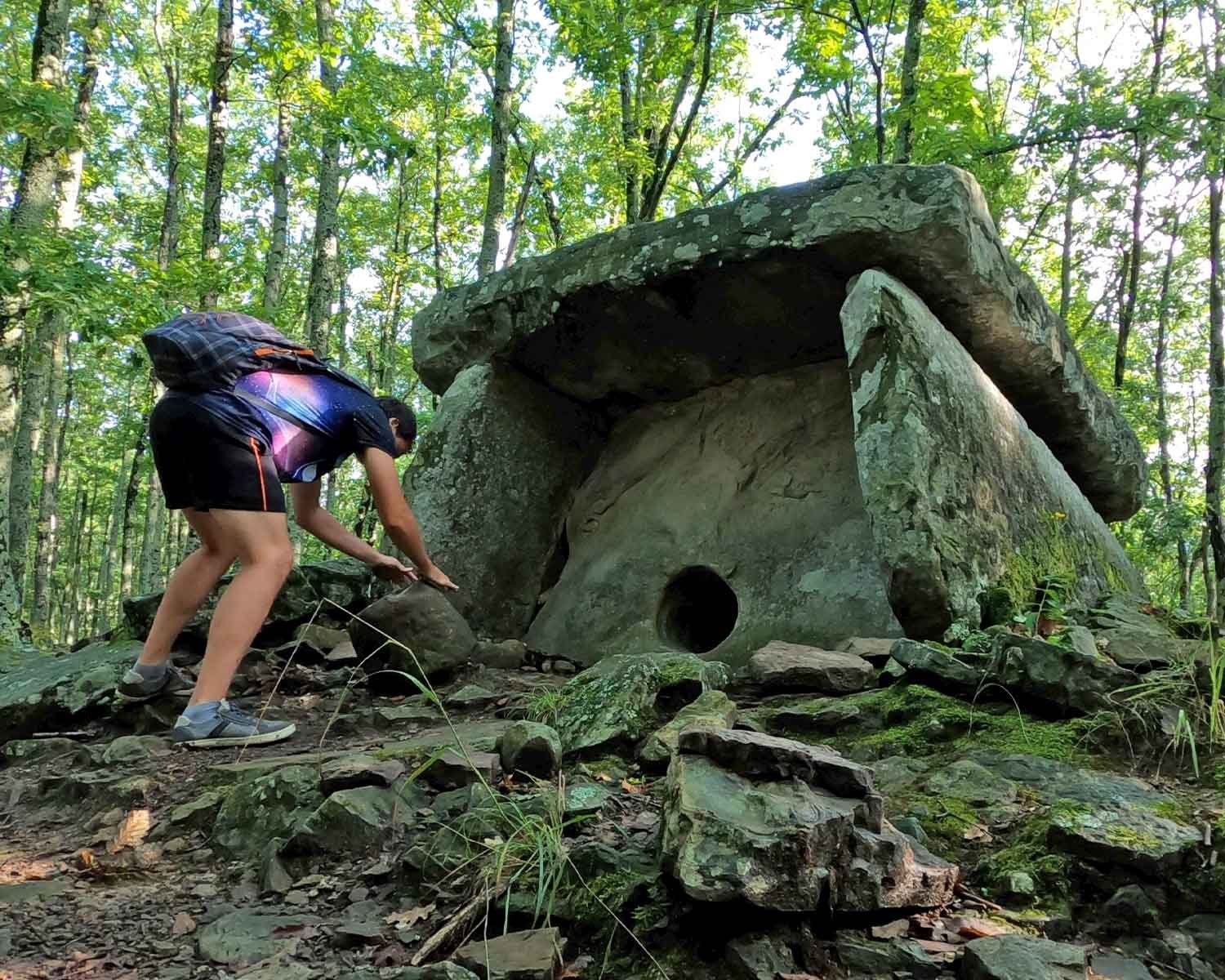
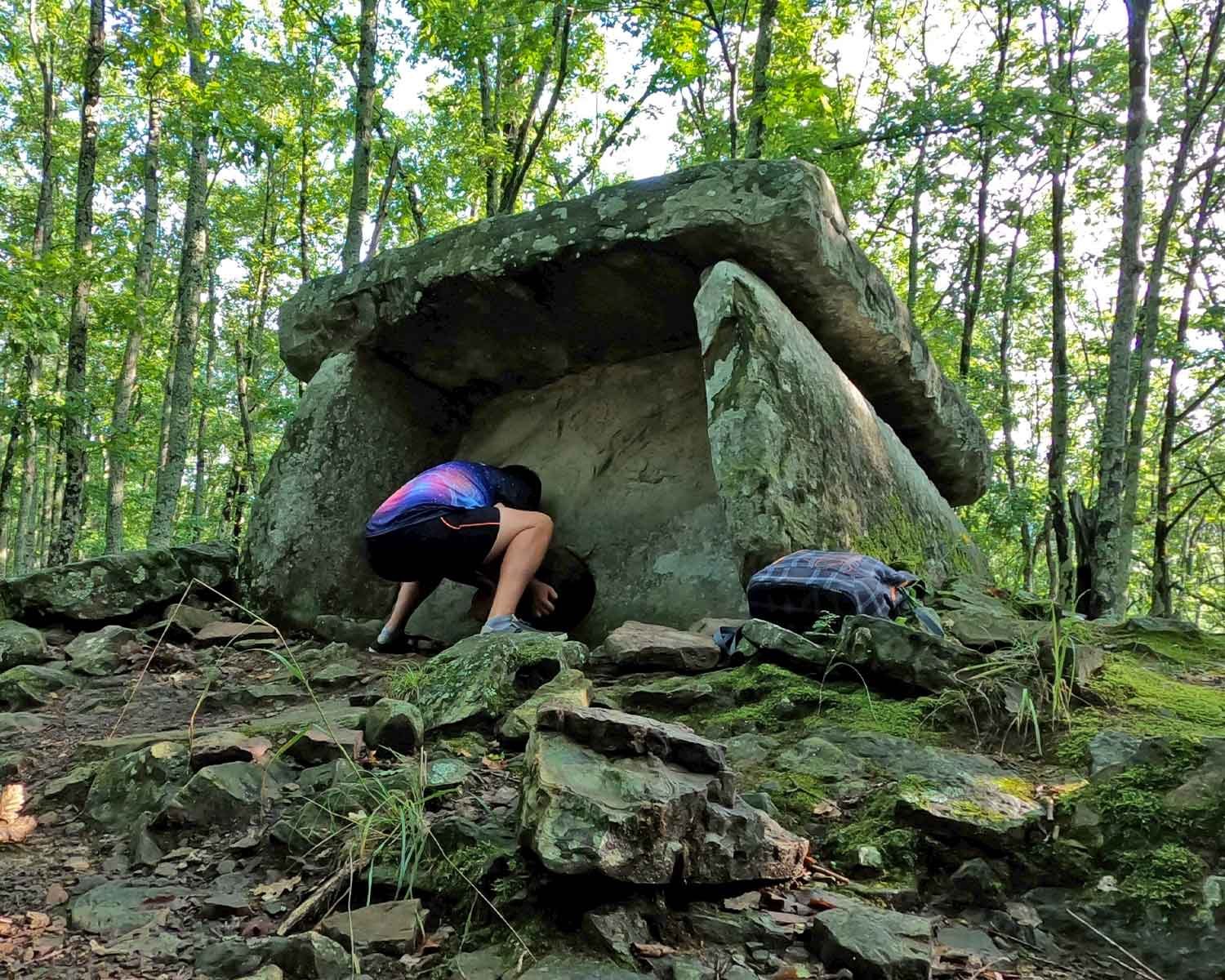
However, the next day I was already standing by a dolmen holding a massive plug stone in my hands. This video can be seen in the attached photos. The video is also included in the article. I managed to find a guide, an elderly man who agreed, for a small fee, to take me to Tsygankovo.

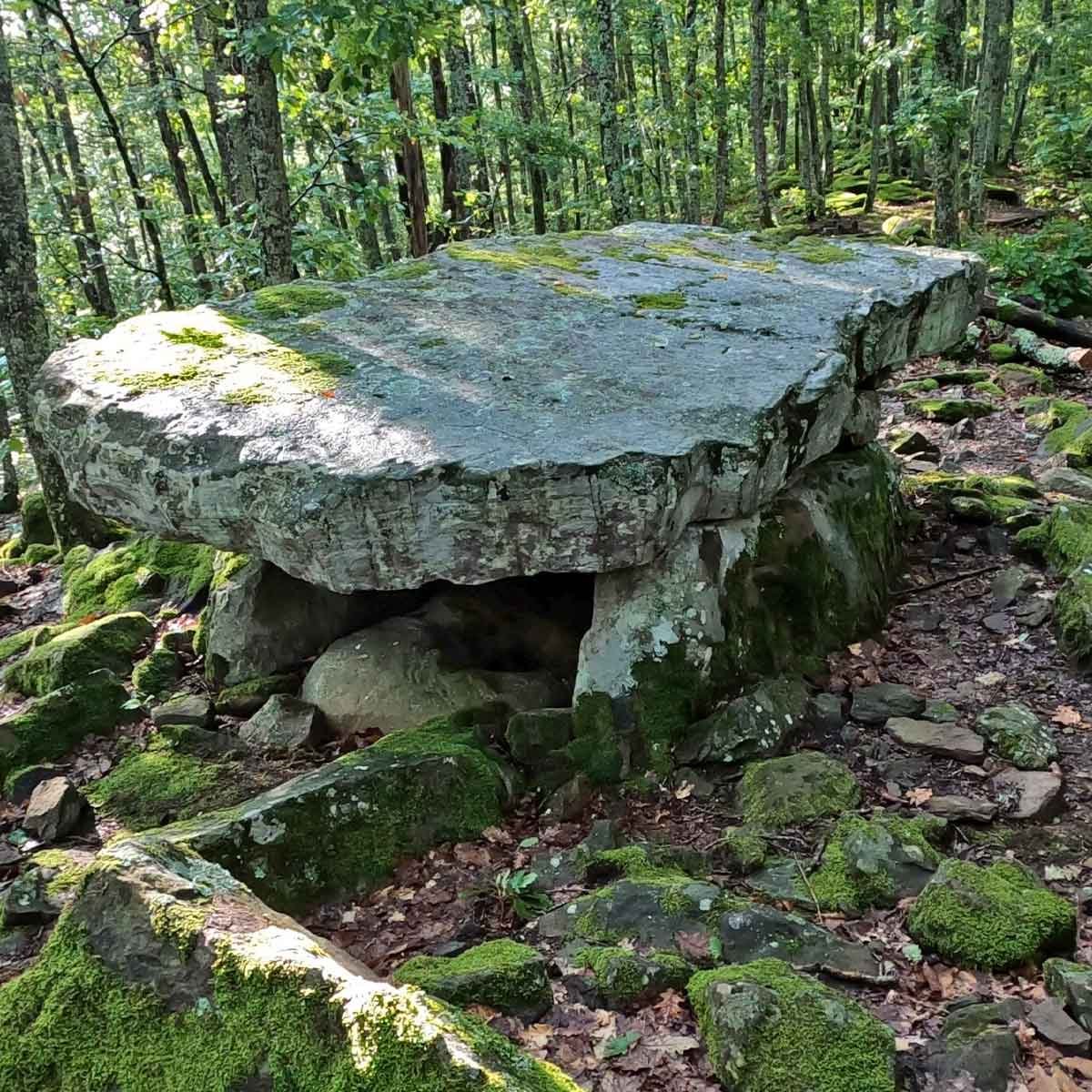
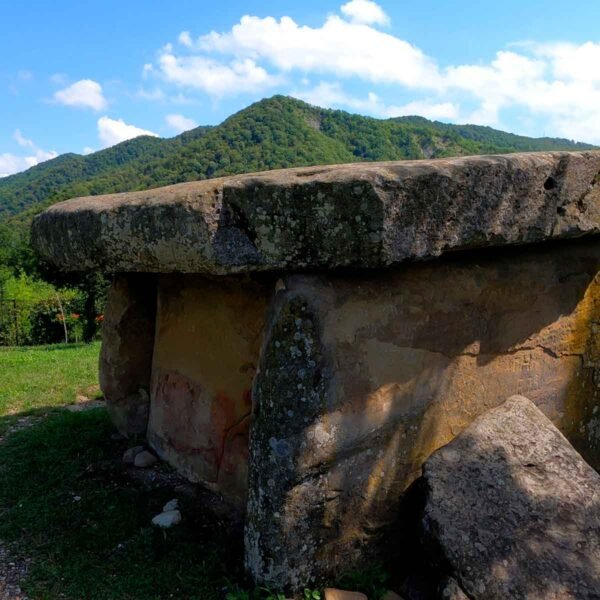
At first we walked along the river with water up to our ankles. Then we climbed toward the forest clearing and finally reached the place to which this article is dedicated. It is an impressive location with a huge number of dolmens and other remains of structures, possibly built by the same ancient builders.
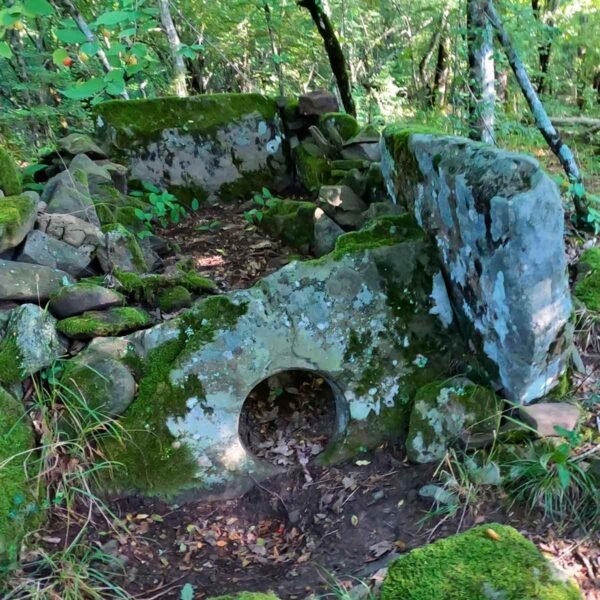
Everything is overgrown with moss. There are no paths nearby, and one has to walk through the forest. Without knowing the exact spot and direction, you will almost certainly never find it.
I am a great admirer of ancient artifacts and structures. To find such a place was a real celebration for me. I ran across the entire site, waving my arms joyfully and trying to record everything around me. Time was limited. At times there was a light rain.
What struck me most was the sheer number of remains and complete dolmens. I assume that beneath the layers of soil more secrets are still hidden.
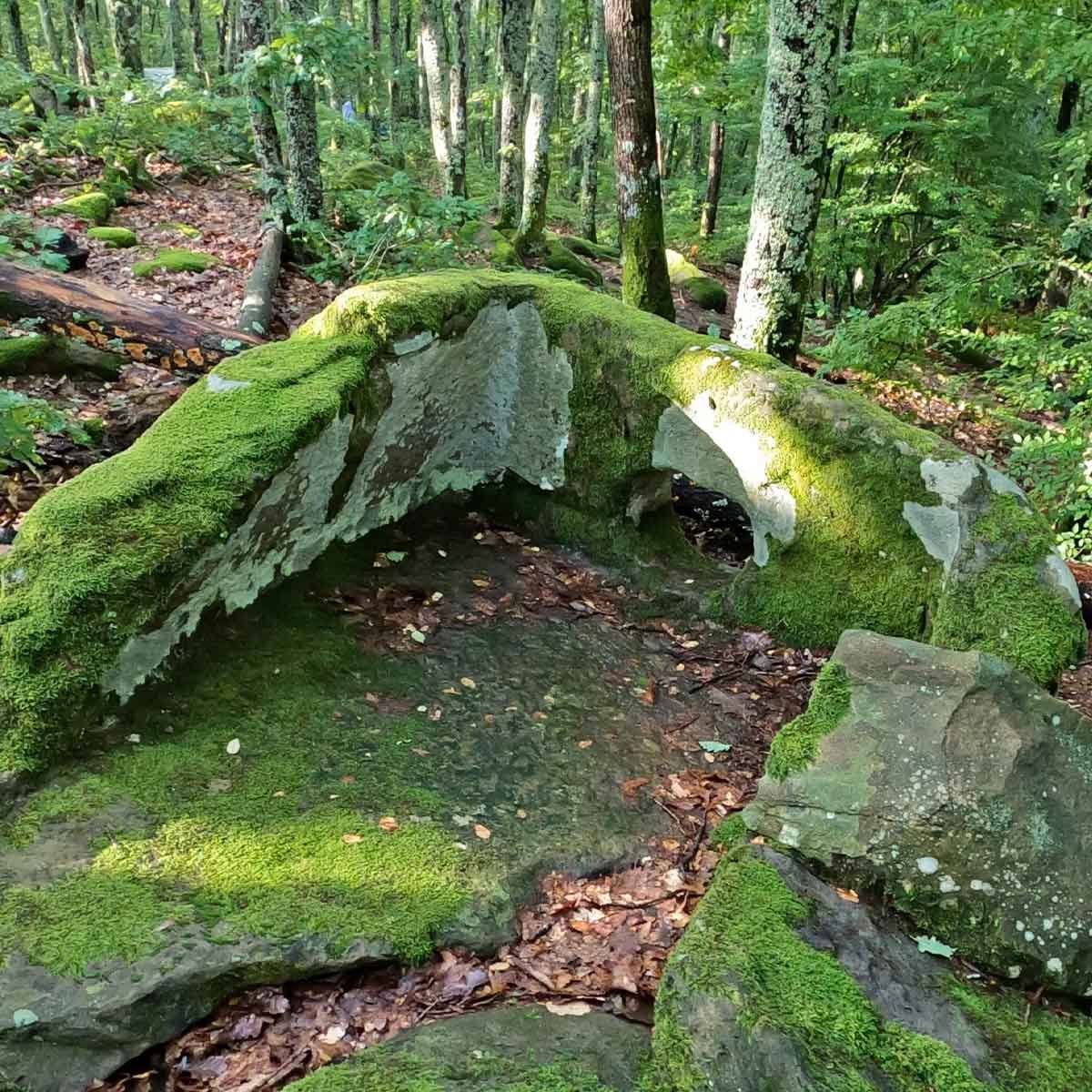
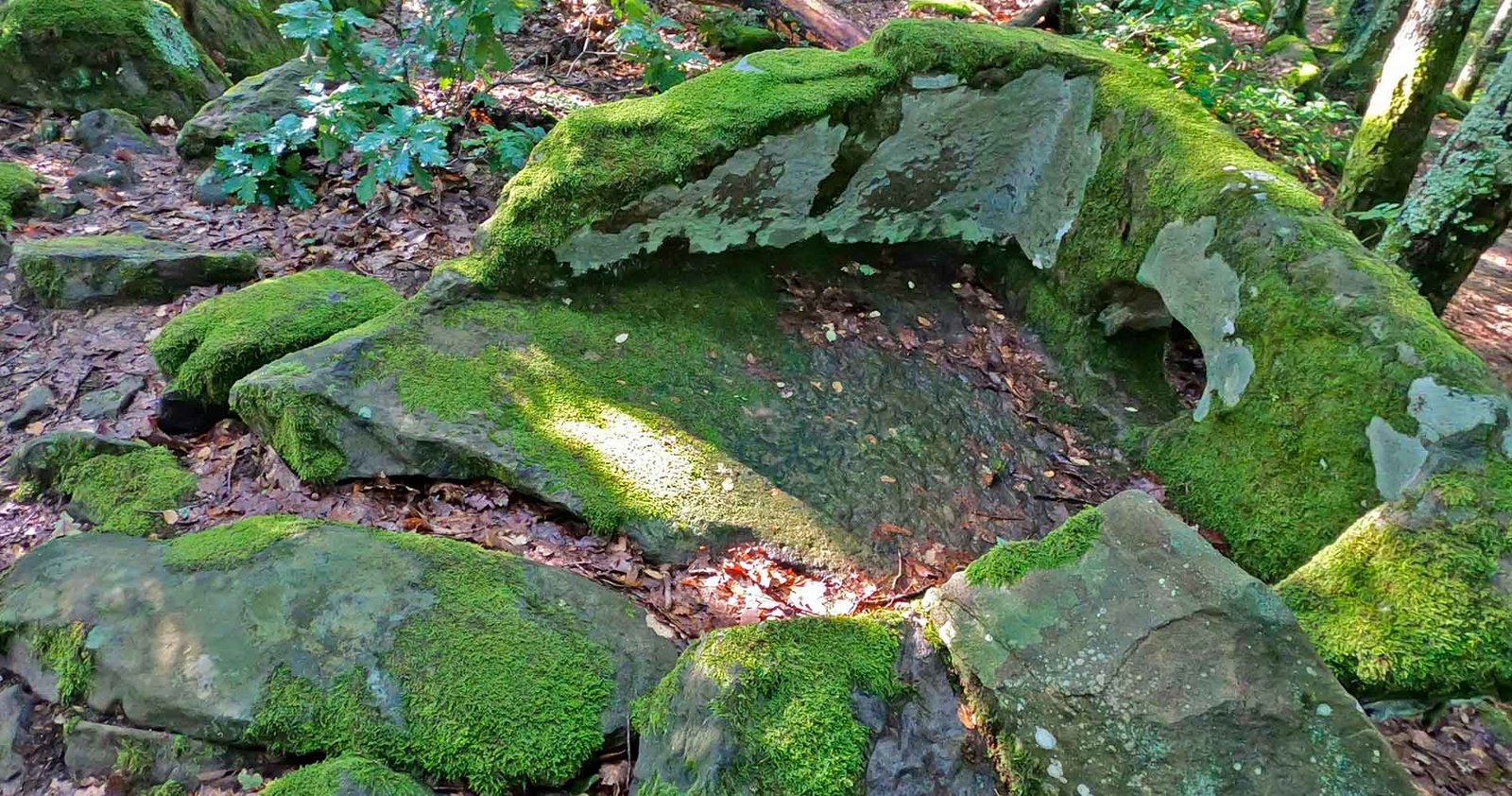
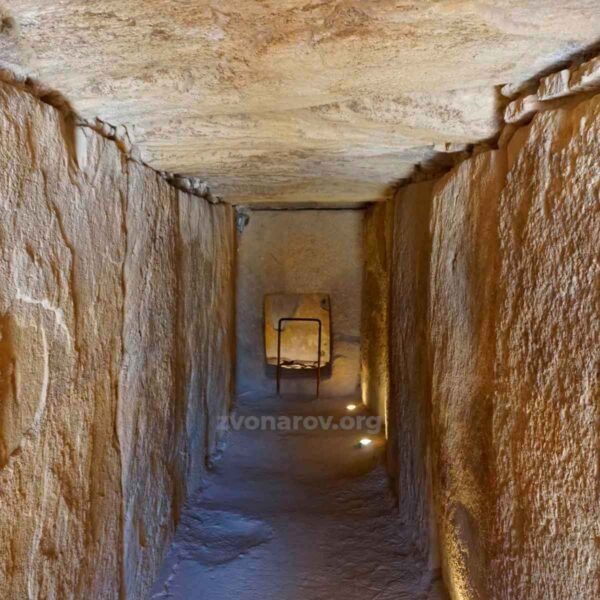
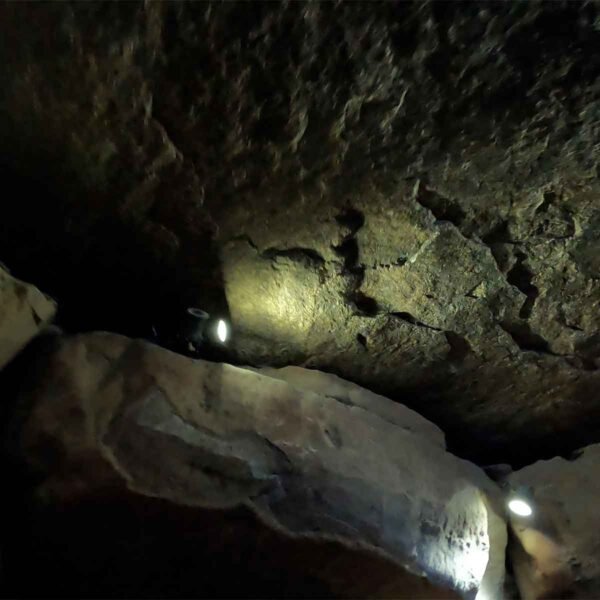
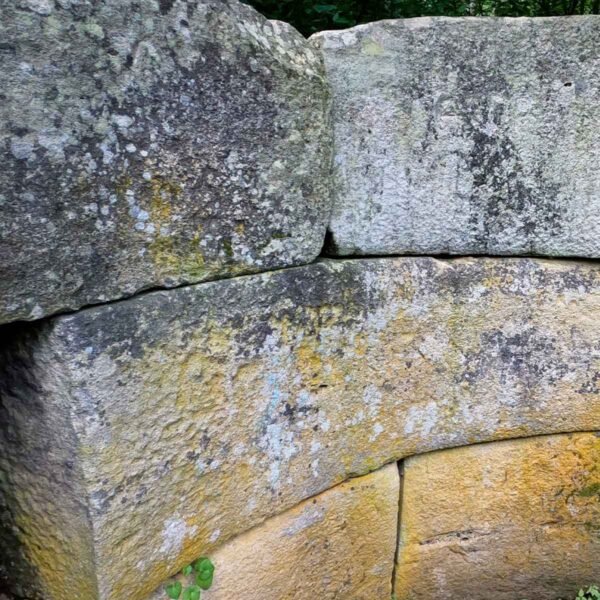
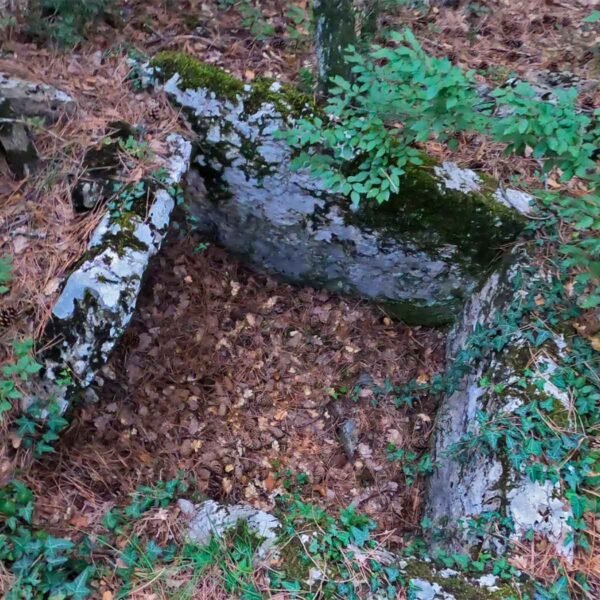
This photo captures a remarkable fragment of a dolmen. Unlike many others, its walls and floor were carved from a single massive block of stone. Ancient builders carefully removed the superfluous rock, leaving only what was essential, turning raw stone into precise geometry. Photo © Zvonarov.
What impressed me most was the number of remains and complete dolmens. I assume that beneath the layers of soil many more mysteries may still be hidden.
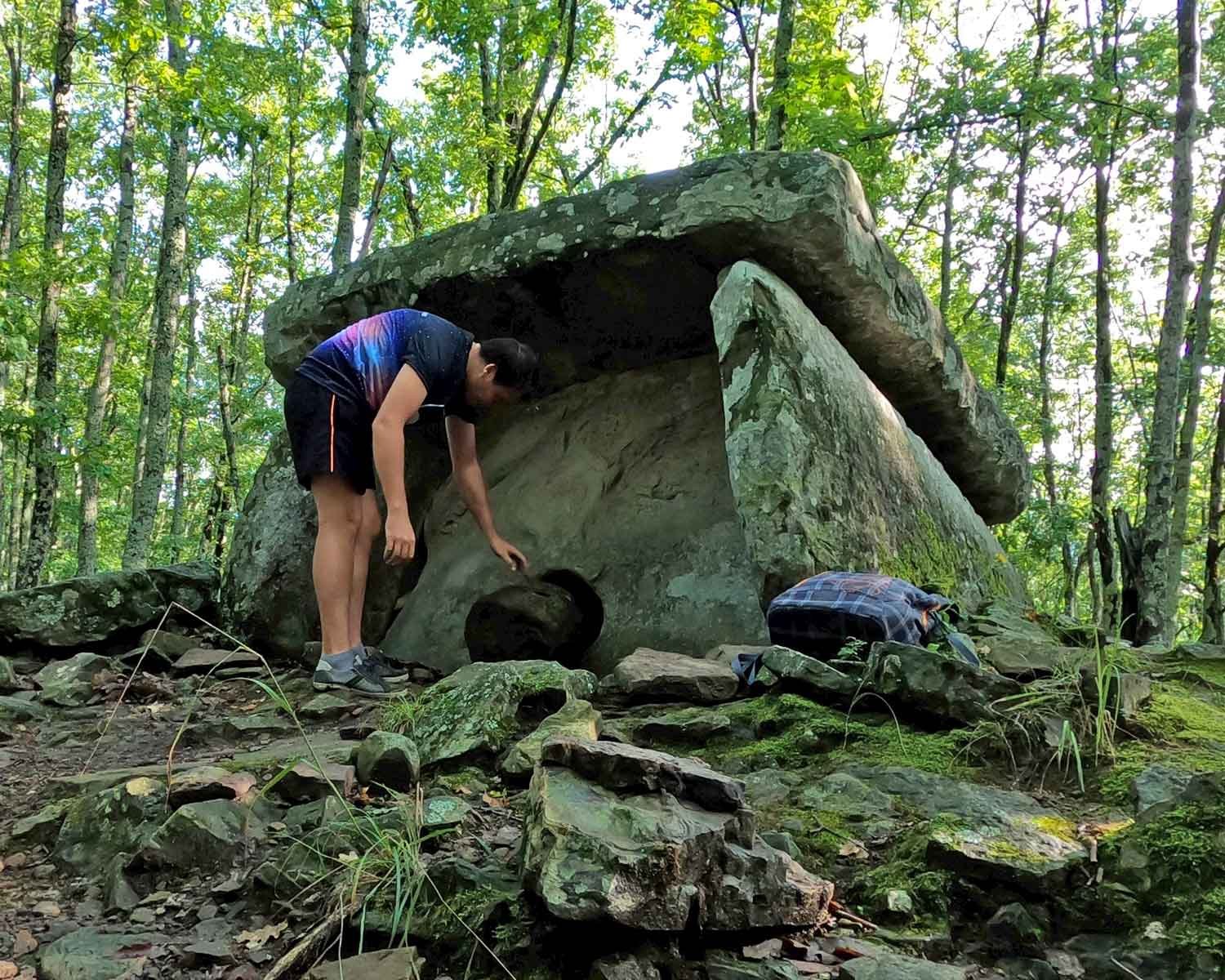
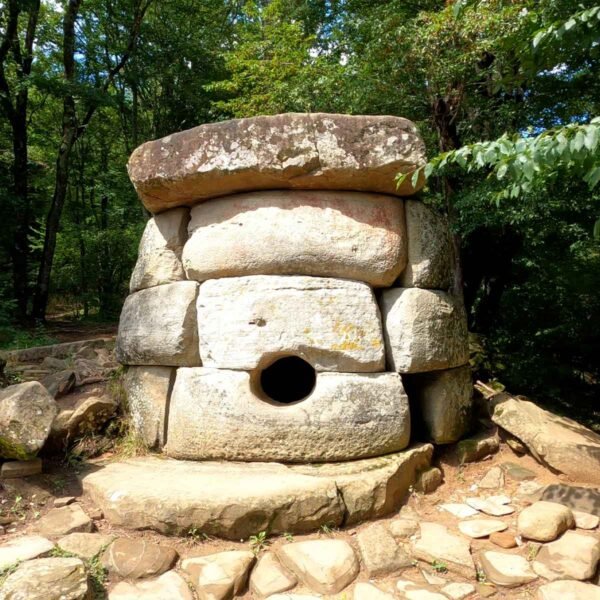
And in the photo below is the very dolmen with the preserved plug stone. Although I was not in my best shape, lifting it was very difficult because of its weight. My task was to check whether the plug fit the dolmen. And yes, it fit perfectly. I closed it. This was both astonishing and unusual.
In these photos I am closing the dolmen with its plug stone. It is very heavy, but it fits perfectly into its place!
There are many theories about what dolmens were. I do not agree with any of them. I do not believe they were cult structures. I do not believe dolmens were used for storage or for burials.
I think they were something else. I do not know exactly what, but I have an analogy. If today in some African country a line of power transmission towers were built, and later the civilization abandoned the region, over time the wires would fall and only the towers would remain. When local tribes discovered these constructions centuries later, they would not be able to understand what these structures were or what they were used for. They would speculate: perhaps gods were worshipped here, perhaps ancestors were buried, or perhaps people climbed them to hide from wild animals.
But they would never guess the true reason for the construction, the real essence of these structures. Most likely, never.
There are no comments yet.