Jerusalem Tunnels

The Jerusalem tunnels form a unique system of passages beneath the Temple Mount. These temple mount tunnels open a view into the hidden layers of the city, combining history with mystery. Walking through the tunnels beneath Jerusalem, visitors encounter massive stones and impressive engineering. The site preserves a sense of enigma that continues to fascinate researchers and travelers alike.

Category:
Overview

In my opinion, the greatest mystery, which is rarely mentioned, lies in the fact that the Temple Mount itself seems to have been cut, and from its foundation begins a wall. In essence, this is a gigantic structure, most of which we do not see. This is evidenced by the levels of masonry going deep down. Moreover, the lower the rows are, the larger the blocks become. Today, tourist access is heavily restricted, and even archaeologists cannot enter many of the underground chambers. My experience in studying similar structures suggests that it is precisely there that a colossal legacy of antiquity is hidden.

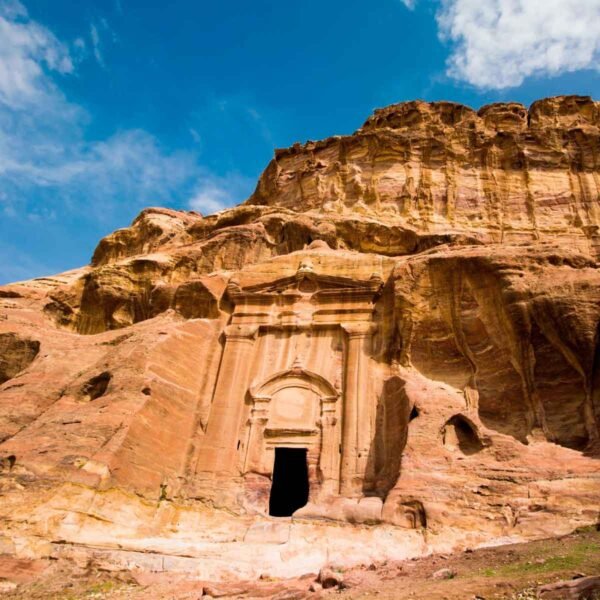
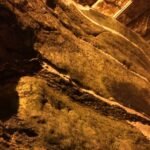
Huge megalithic block at the base of Temple Mount side view

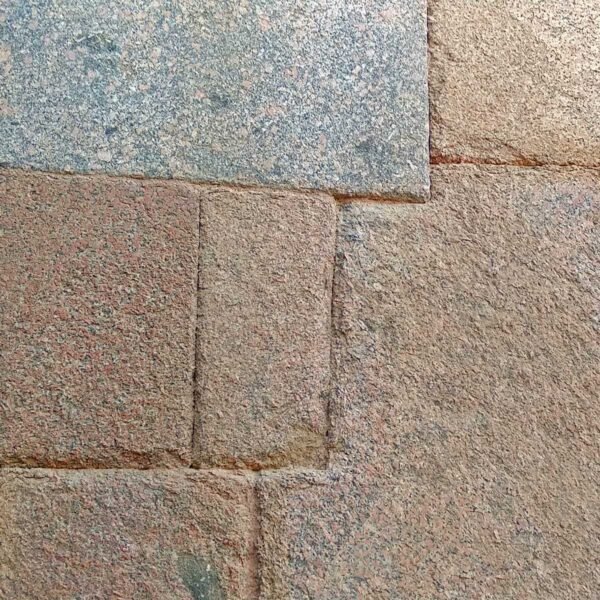
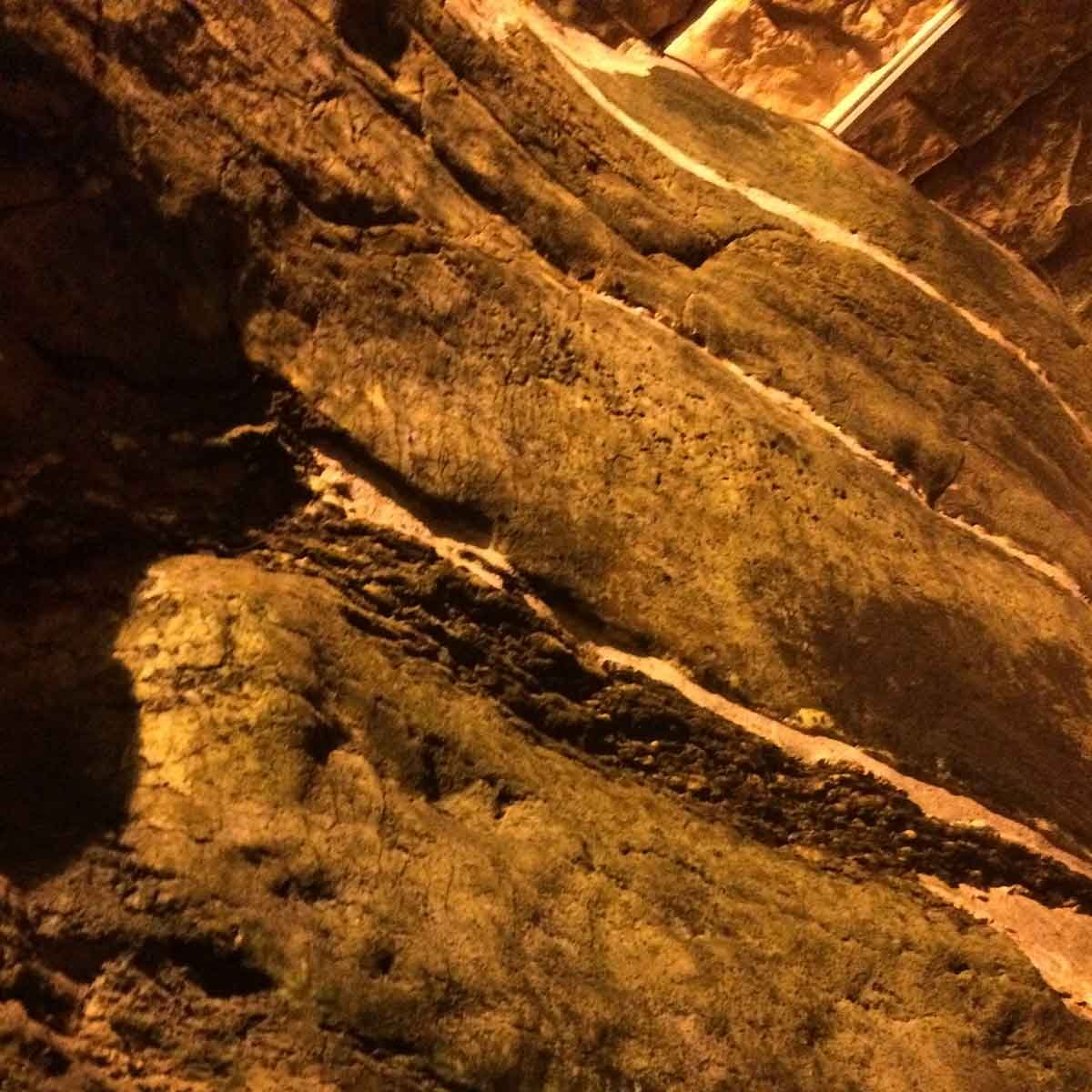
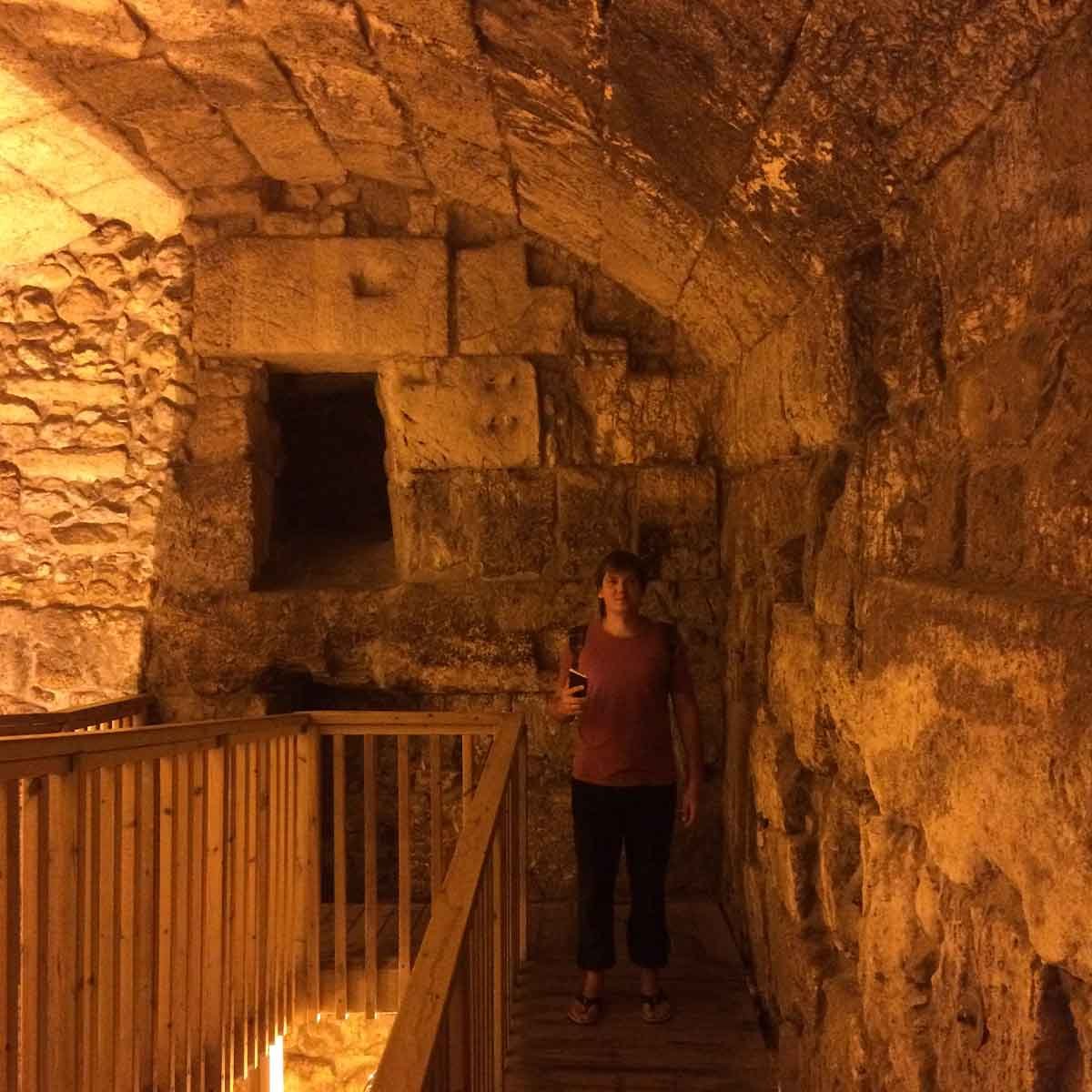
The size of the complex is as striking as the scale of the megalithic blocks. When you descend and walk along these walls, it is hard to believe the amount of work that was carried out. All the blocks are fitted to each other without the use of mortar, they have the same height and width, and also a beveled edge, which makes the process of their production especially laborious. Each element had to be carved with jeweler’s precision to fit perfectly with the neighboring ones. The joints are so tight that a needle cannot pass through. This is not just impressive — it is astonishing. The structure has stood for thousands of years, despite cataclysms and restorations. And I believe that the mystery of this complex is far from solved: we still do not understand what technologies were used to create these megaliths or how to date them.

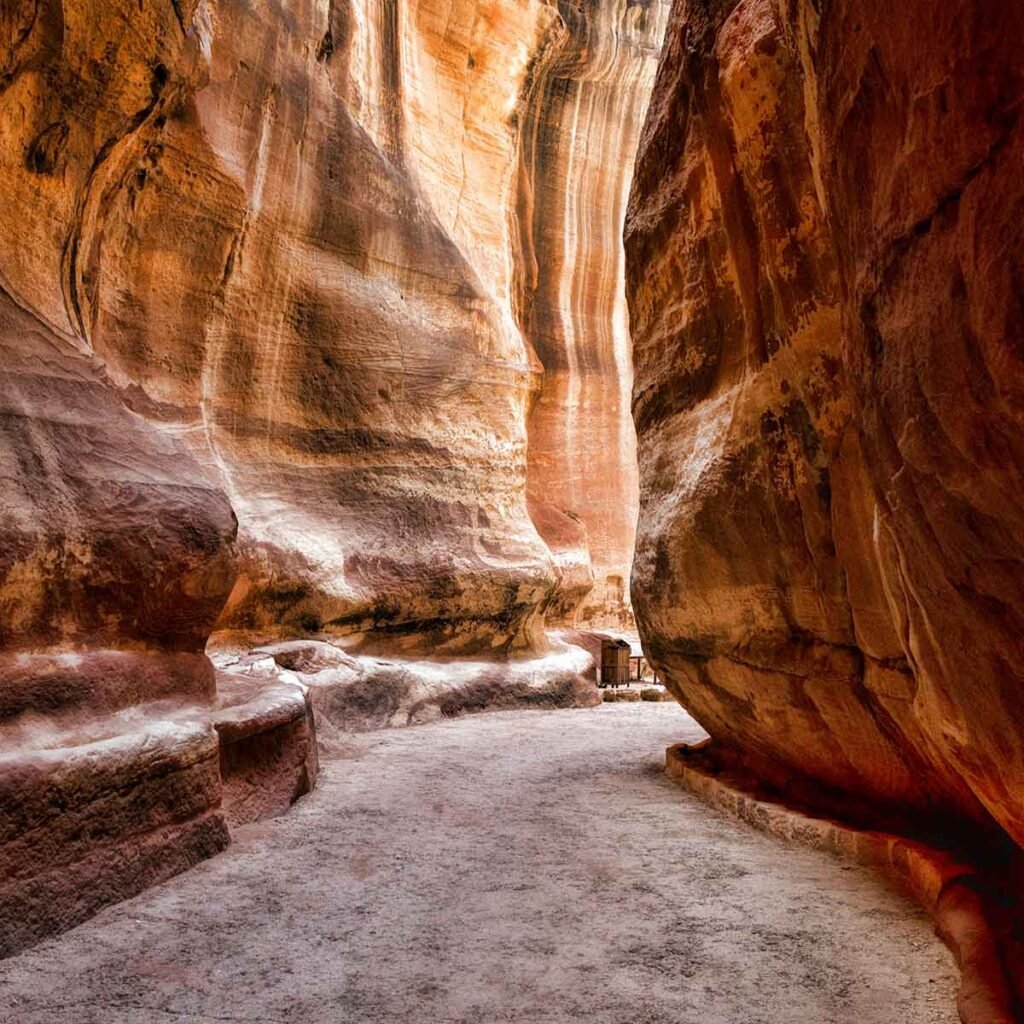
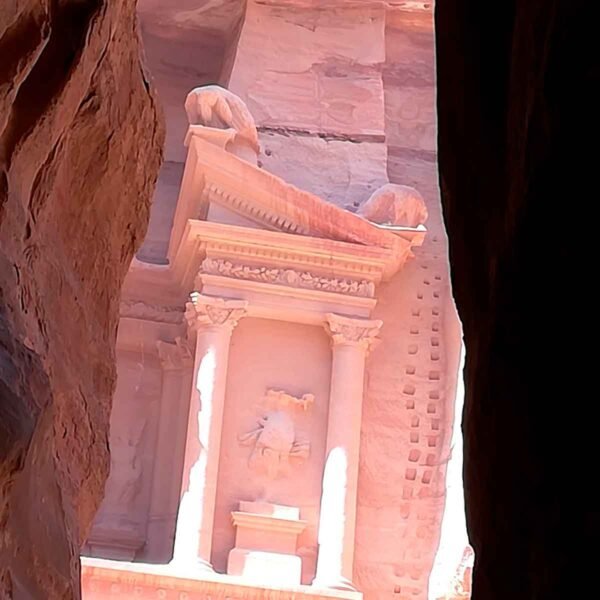
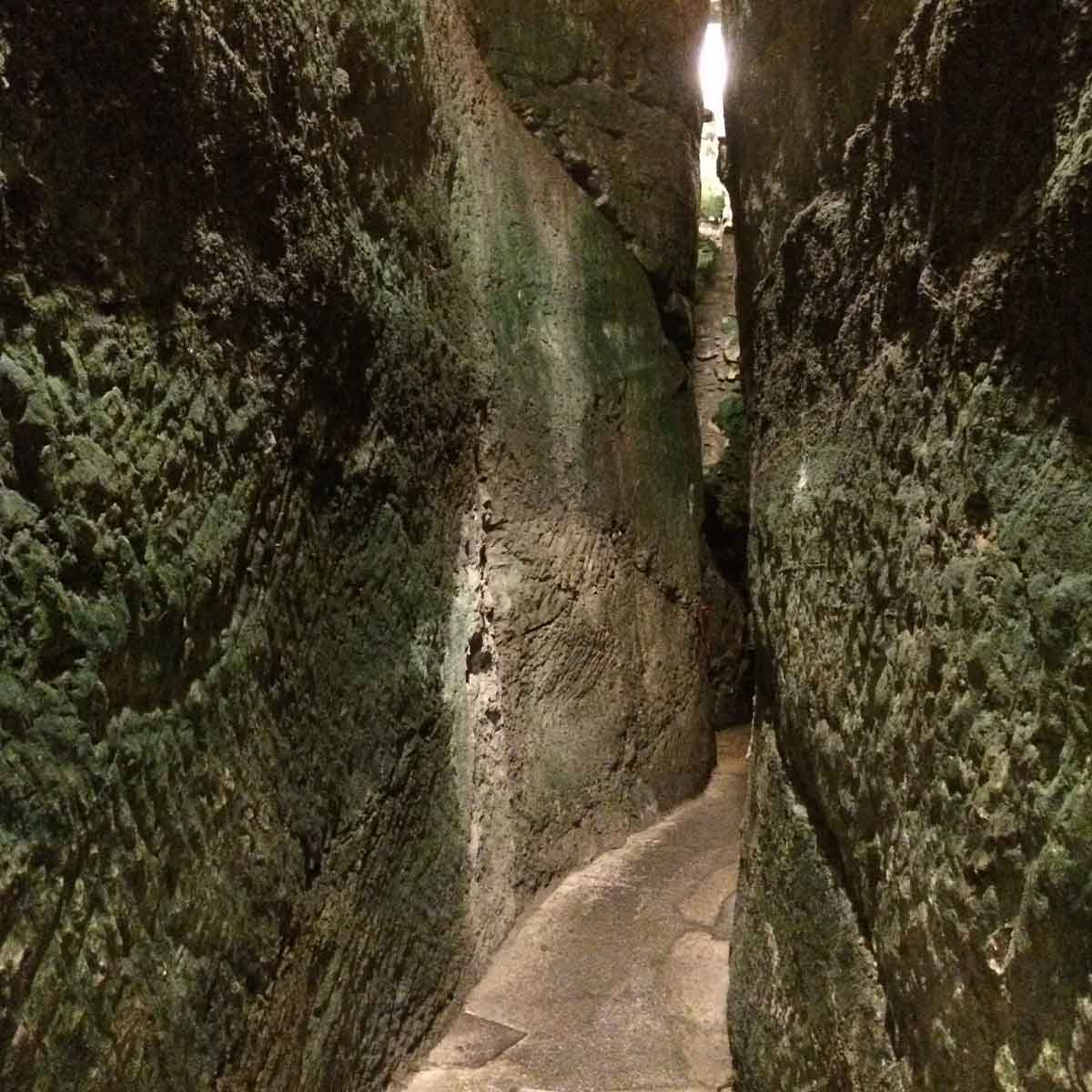
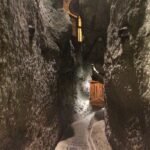
Another truly remarkable fragment is the narrow rock passage that seems to come alive in the photograph. It immediately evokes associations with the majestic Siq canyon in Jordan, although here we are dealing more with an illusion than with direct resemblance. Yet an undeniable fact remains: this corridor is far too small to be a natural gorge, and what we see is clearly a man-made structure.

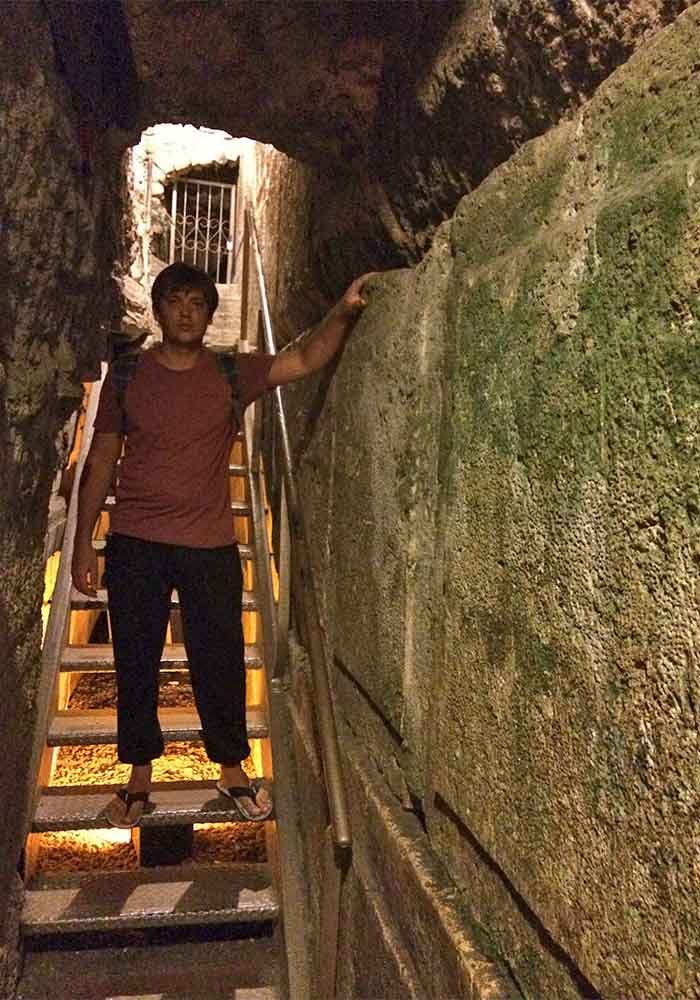
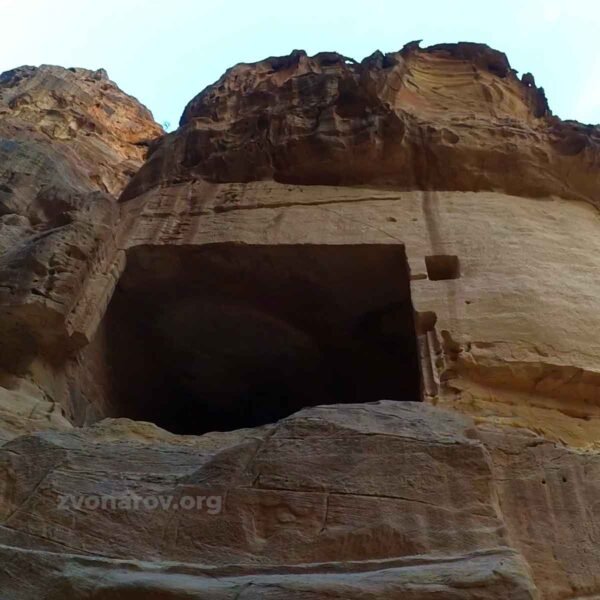
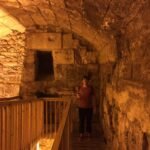
Stone joints on the wall inside Temple Mount underground

Mentions of the underground structures beneath the Temple Mount can be found in the works of Josephus Flavius, as well as in medieval chronicles. These texts describe underground passages, hiding places, and cisterns that were used to store water and as shelters in times of siege. Official archaeology confirms the existence of an entire network of tunnels and water systems, some of which remain unexplored. According to researchers, such engineering solutions point to a high level of organization and to the significance of the complex throughout different eras.

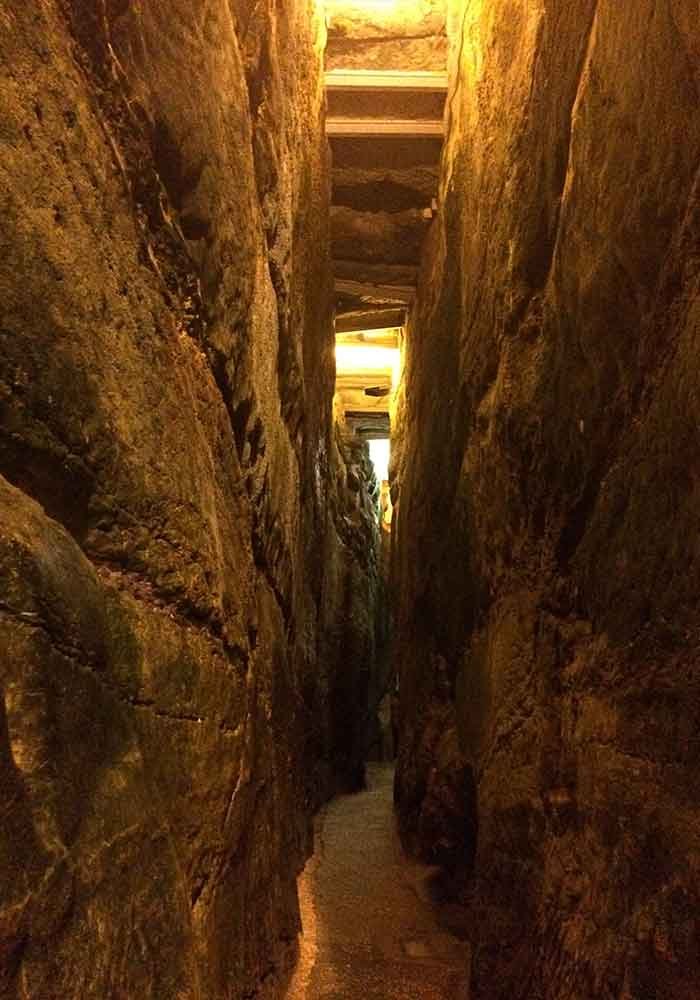
Ancient narrow corridor in underground of Temple Mount

Today, only a small part of the underground levels is accessible to tourists — in particular, the tunnels near the Western Wall, where ancient masonry and water channels can be seen. Archaeological expeditions in recent decades have discovered new galleries, reservoirs, and remains of underground halls, which confirms the complexity of the entire system. However, most areas remain closed due to the political and religious sensitivity of the site: any excavations on the Temple Mount spark disputes and international resonance. Therefore, research is carried out with extreme caution, and many hypotheses remain unanswered.

What does underground Jerusalem hide?
Underground Jerusalem reveals a layered network of passages, chambers, and preserved masonry lying beneath today’s Old City streets. Visitors and researchers encounter structural remains aligned with the Temple Mount’s retaining system and other historic phases. These strata help interpret how the city expanded and transformed across successive civilizations without stating any exact construction dates.
Can you visit jerusalem underground tunnels?
Yes, access is possible via guided tours operated along defined routes beside the Western Wall. The route highlights monumental ashlars, narrow corridors, and sections that trace ancient urban levels otherwise invisible from the surface. Entry is ticketed, group sizes are regulated, and official guides provide historical context throughout the visit.
Are there confirmed facts about tunnels beneath Jerusalem?
There is abundant archaeological documentation for tunnels beneath Jerusalem, including massive foundation stones and engineered passages tied to multiple periods. Stratigraphic studies show reused spaces and later reinforcements, reflecting changing urban needs across eras. These findings inform debates about ancient quarrying, transport, and stone-working methods without assigning precise years of origin.
How challenging is the route and is it safe for first-time visitors?
The standard route is moderate: expect steps, low ceilings in places, and uneven flooring typical of historical sites. Modern lighting, handrails, and supervised groups support a safe experience, with staff trained to manage flow and comfort. Visitors with mobility concerns should check accessibility notes in advance to select suitable segments.
What practical tips improve a tour of the underground passages?
Book timed tickets early and arrive a few minutes before the slot to pass security smoothly. Wear sturdy footwear, bring minimal luggage, and prepare for cooler temperatures underground. Photography rules may vary by section; follow staff guidance to protect artifacts and avoid flash where restricted.
Do scholars agree on why the passages were built the way they are?
Consensus recognizes their role in stabilizing slopes near the Temple Mount and supporting circulation around sacred areas. Interpretations differ on construction sequences and techniques, with some proposing advanced logistics for quarrying and moving giant stones. Ongoing research refines these models as new sections are documented and contextualized.
Comments

There are no comments yet.

Be the first to comment “Jerusalem Tunnels”

Your email address will not be published. Required fields are marked *