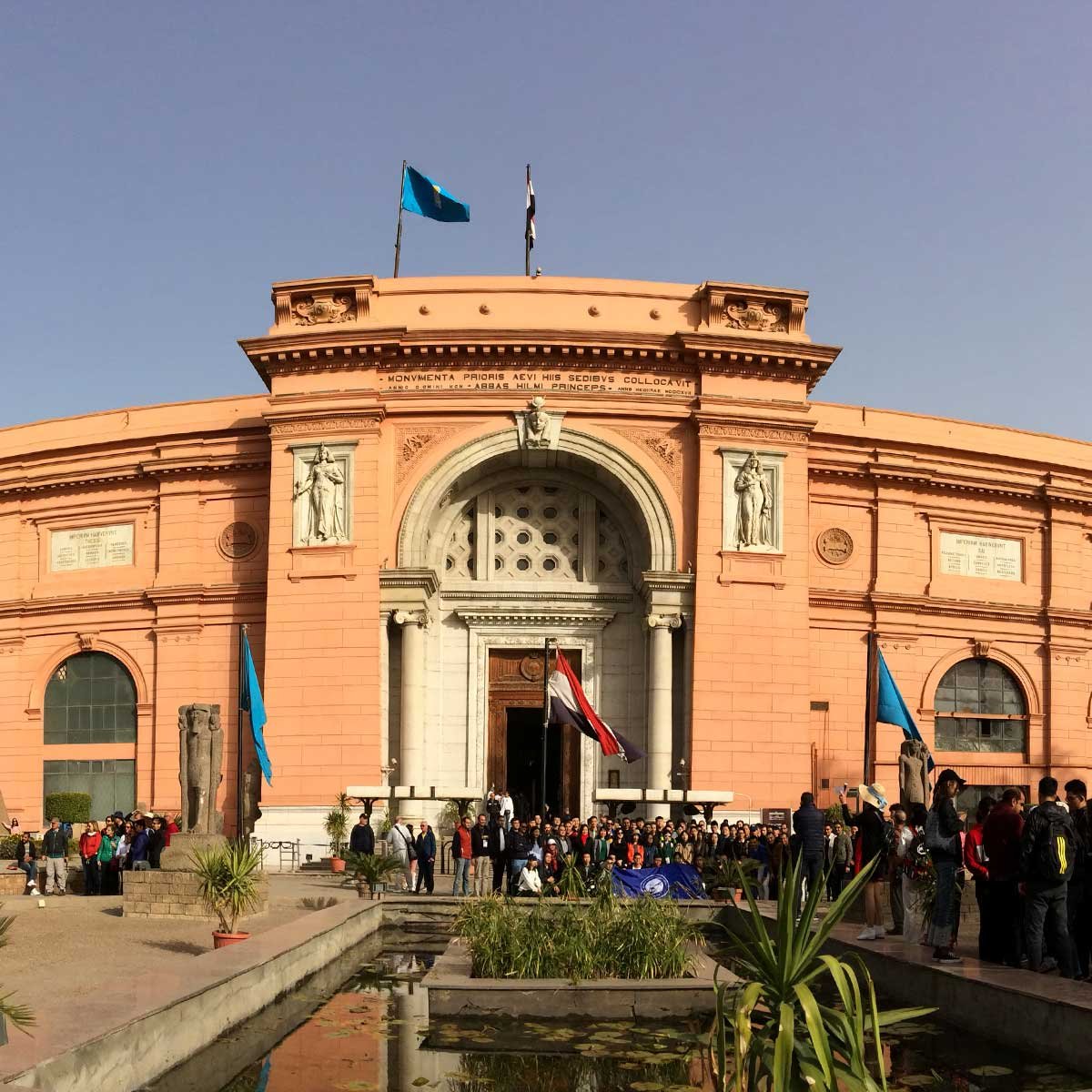
National Museum in Egypt
The Old Cairo Museum holds an extensive collection of artifacts crafted with remarkable precision and artistic mastery. Here you will find granite statues, intricate reliefs, and enigmatic symbols that still puzzle researchers today. This iconic institution preserves countless objects that reveal the scale and complexity of Egypt’s ancient culture. Its halls create a sense of mystery, inviting visitors to explore interpretations far beyond familiar historical narratives.
A short walk through the old Сairo museum
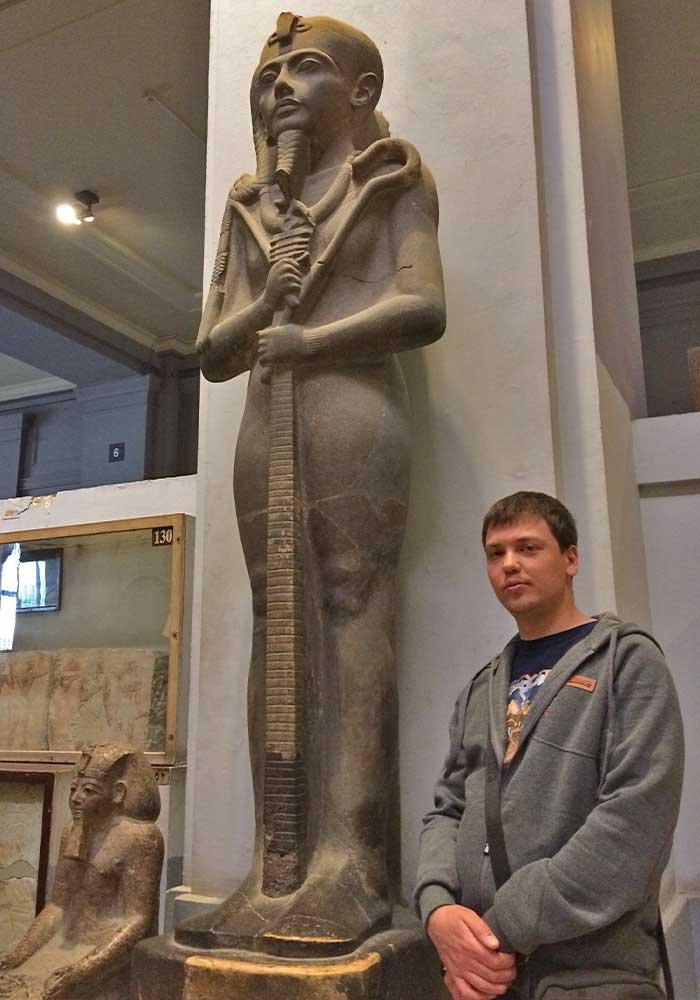
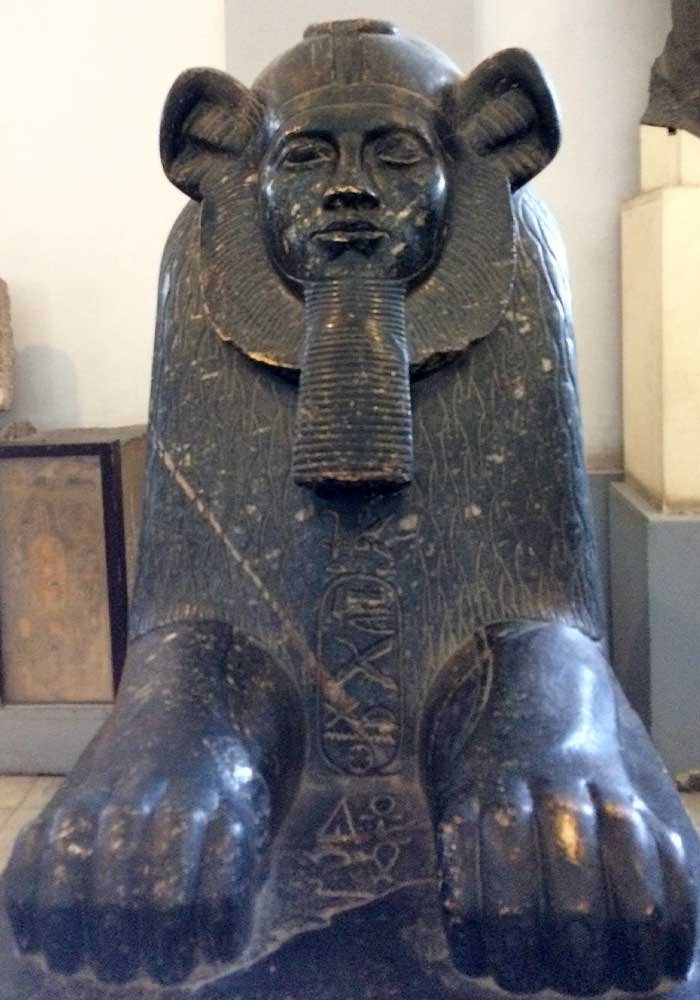
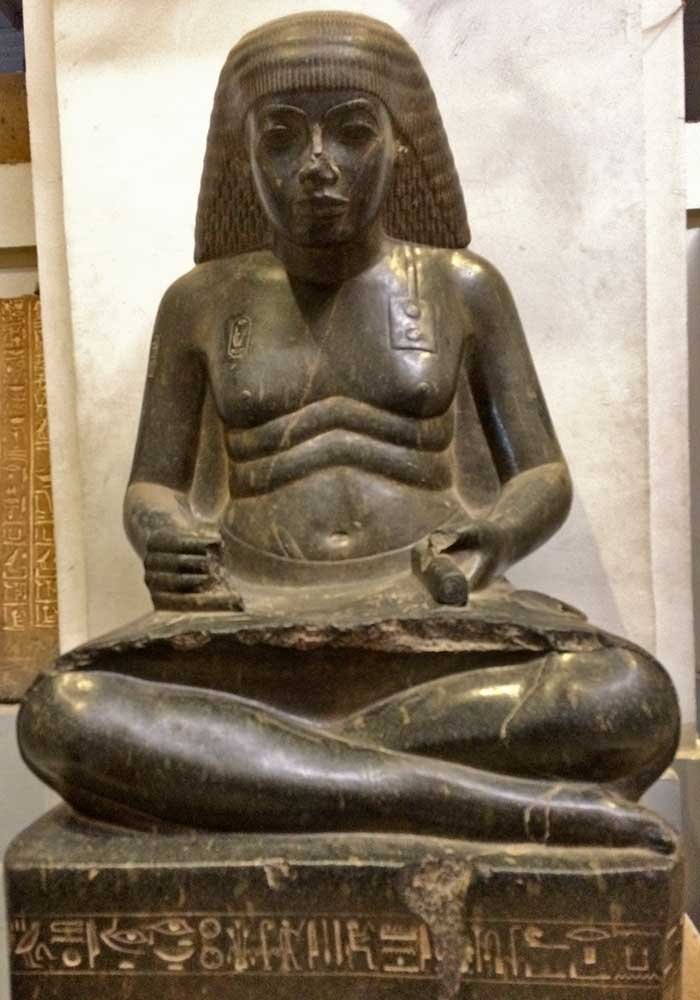
In this post, I will touch on only a few exhibits, among which I want to highlight statues with exceptionally high detail — beautifully crafted with astonishingly precise elements.
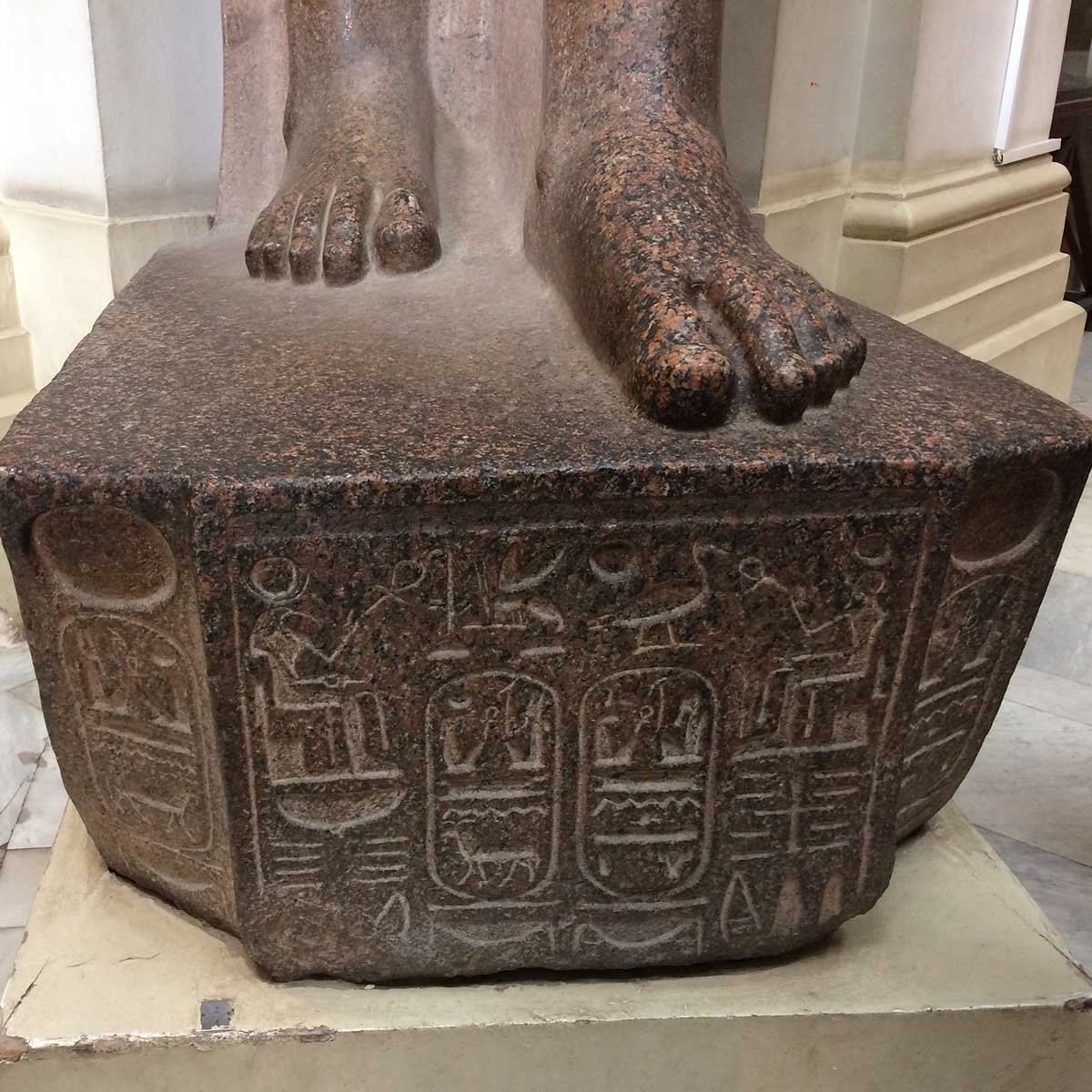
These statues are made from different types of granite, an extremely hard material that is incredibly difficult to work with. Each figure was carved from a single solid block: craftsmen removed everything unnecessary, leaving only the final form. And these sculptures, created thousands of years ago, have survived in perfect condition.
There are countless such objects in Egypt. I am convinced that if we had to produce the same amount of granite works today, we would need entire factory-cities operating at an industrial scale. Any slight mistake — and the blank becomes useless. Yet here we have tens of thousands of objects made with extraordinary precision. It is astonishing. In Luxor, you can walk along a row of forty identical statues, twenty matching figures, or thirty columns — all crafted in the same style, with the same symmetry and quality.
I have traveled through almost all of Egypt, visiting museums, temples, and other places where these artifacts are preserved, and what surprises me most is not even the technique but the sheer quantity. Not only have many objects been taken into private collections — a significant portion of the heritage seems to have spread across the world centuries ago, when such items could be bought at a market and easily exported. Today Egyptian artifacts stand in the Vatican, in the Louvre; even the Zodiac from the Dendera Temple was removed from the ceiling and transported to France. Obelisks decorate the squares of Rome. The world is literally filled with Egyptian objects — and yet Egypt still has so many that it is difficult to comprehend. And this is only what we are allowed to see: a vast part remains in closed private collections we will never access.
The methods used to work granite remain unknown. I have spoken with people who professionally work with granite and create monuments from it. They are stunned by the precision of ancient objects. Even today, producing similar shapes is an incredibly labor-intensive task, and not every modern factory could handle this level of work.
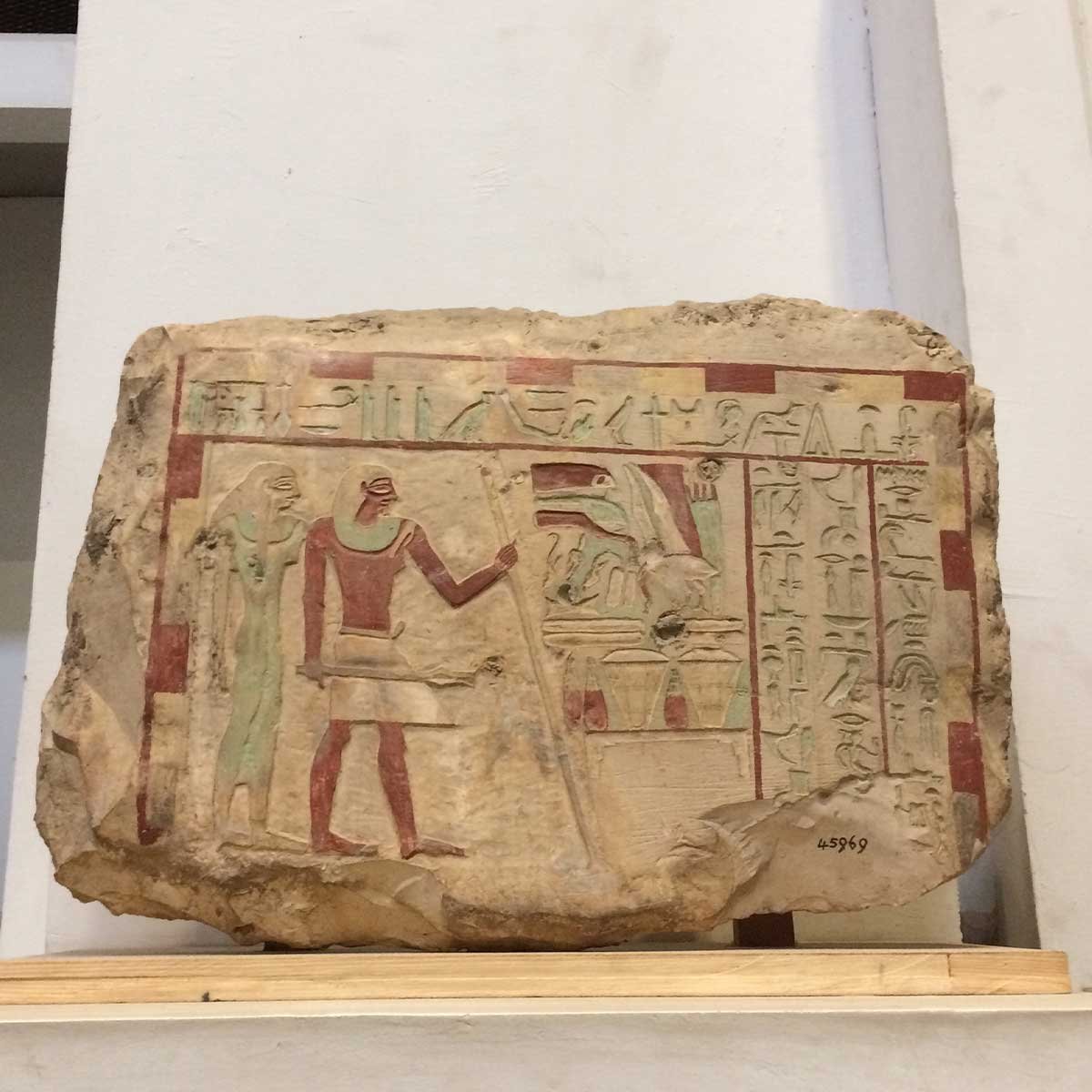
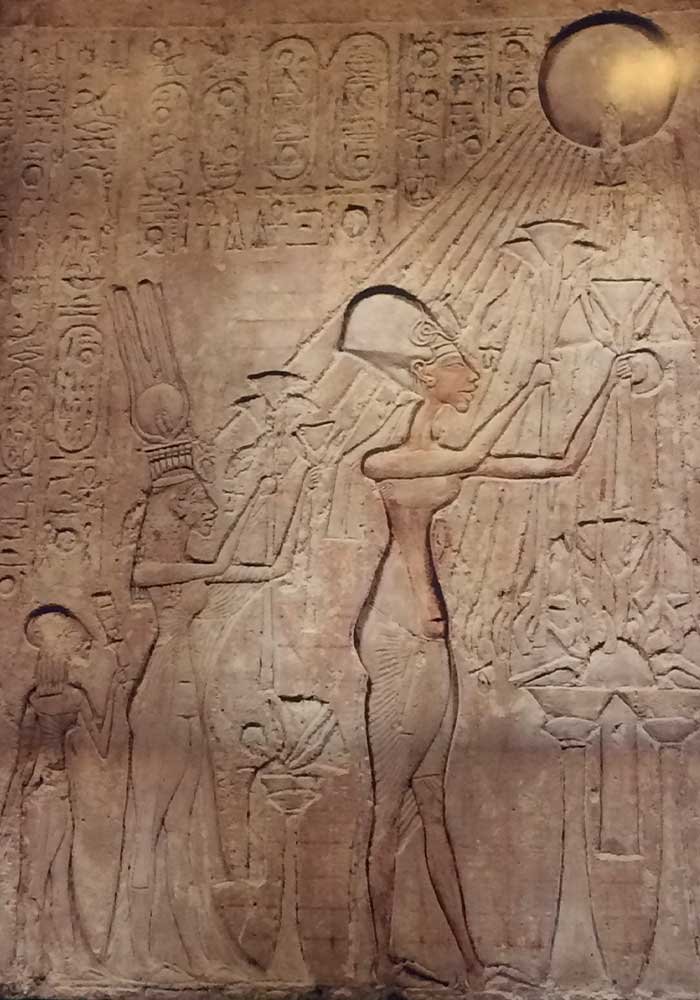
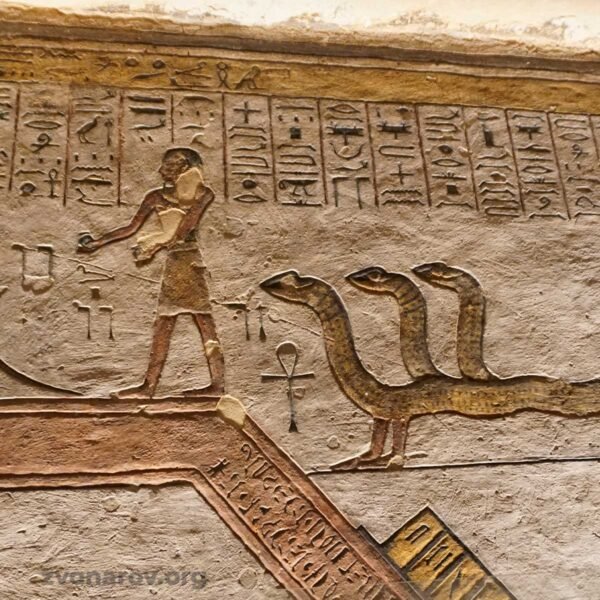
The scenes depicted on these artifacts deserve special attention. We see absolutely unusual beings combining human and animal traits with strange elements of clothing — or possibly technical devices whose purpose we still do not understand. The same applies to hieroglyphs. They appear everywhere, and Egyptologists attempt to interpret them, but when you study the history of decipherment, it becomes clear: there is still no universal key. Many symbols are interpreted conventionally — simply because this has become part of academic tradition. Some hieroglyphs appear frequently and have assigned meanings, but a significant number still lack clear explanation.
The style of ancient artists and sculptors is unique. The level of taste and design is astonishing. Many images portray people with altered skull shapes — similar to humans, yet still distinctly different. And I especially want to mention the theme of snakes — their presence is overwhelming: in hieroglyphs, paintings, clothing elements, and accessories. In many scenes, in my opinion, a clear motif emerges — some form of “serpentine consciousness” influencing humans, as if a reptilian essence enters the human body. This is literally depicted in numerous images, including the example above.
Overall, official science and Egyptology do not yet offer convincing or rational explanations for all this. We are told that all these objects were created manually using copper tools. But we see clear traces of machine processing, perfect symmetry impossible to achieve by eye. These are shapes that could only be produced with technical devices — machines, mechanisms, and, by modern standards, even computer-level engineering. How all this was achieved in deep antiquity, long before our era, remains one of the world’s greatest mysteries.
There are no comments yet.