What is Petra and why is it world-renowned?
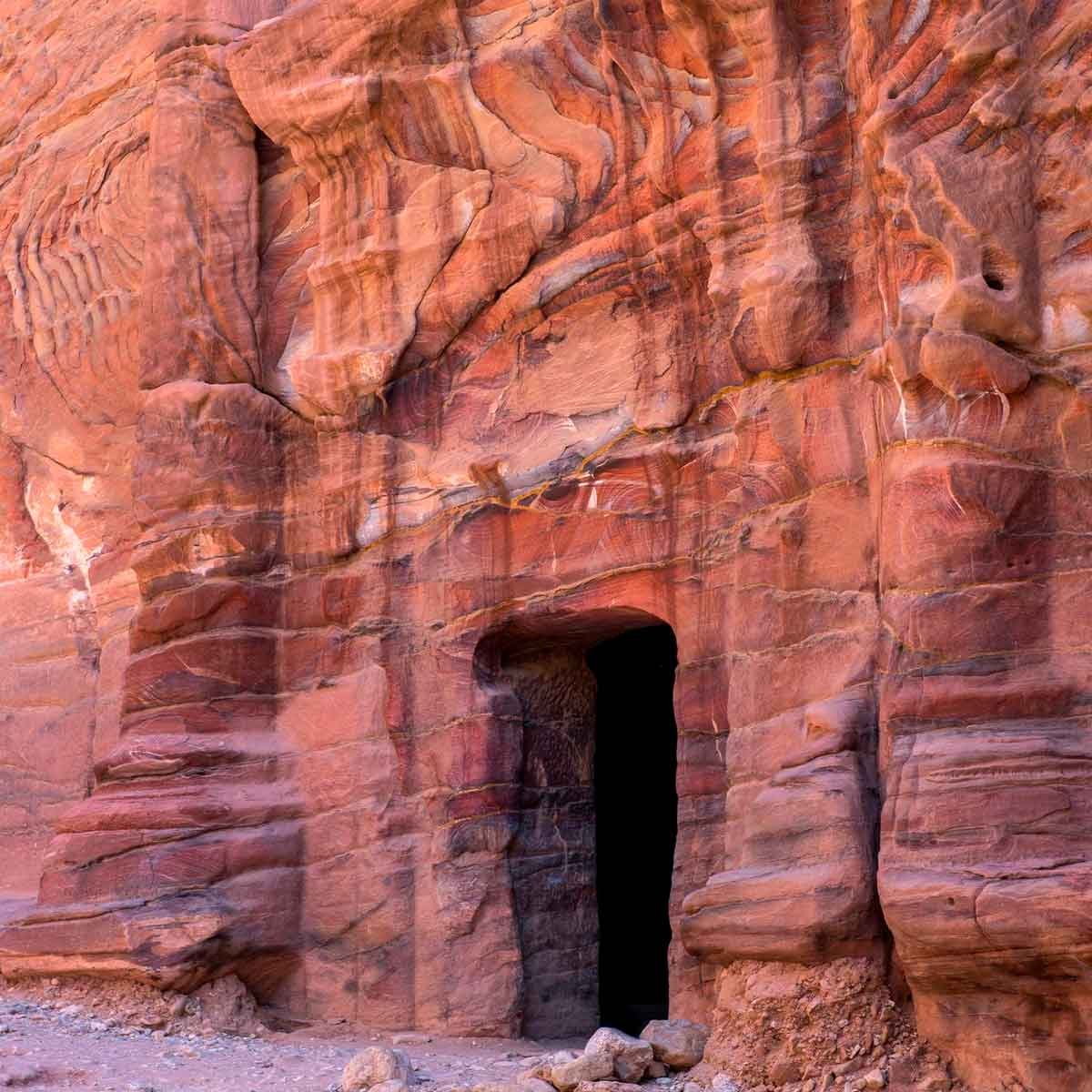
Petra is a vast archaeological site carved into rose-red sandstone cliffs in southern Jordan. The Nabataean capital blends Eastern traditions with Hellenistic design, visible in rock-cut tombs, temples, and monumental facades like the Treasury and the Monastery. Visitors come for dramatic canyon approaches, panoramic viewpoints, and an intact water-engineering legacy that sustained life in an arid valley.
Where is the entrance and how do I get there?
Most travelers base in Wadi Musa, the modern town beside Petra’s Visitor Center. From there, the main approach follows the Siq, a narrow gorge leading to the Treasury and onward to the city center. Public buses, private transfers, and tours connect Wadi Musa with Amman, Aqaba, and Wadi Rum; always check current transport schedules and ticket policies on the official site before you go.
What are the must-see highlights for one or two days?
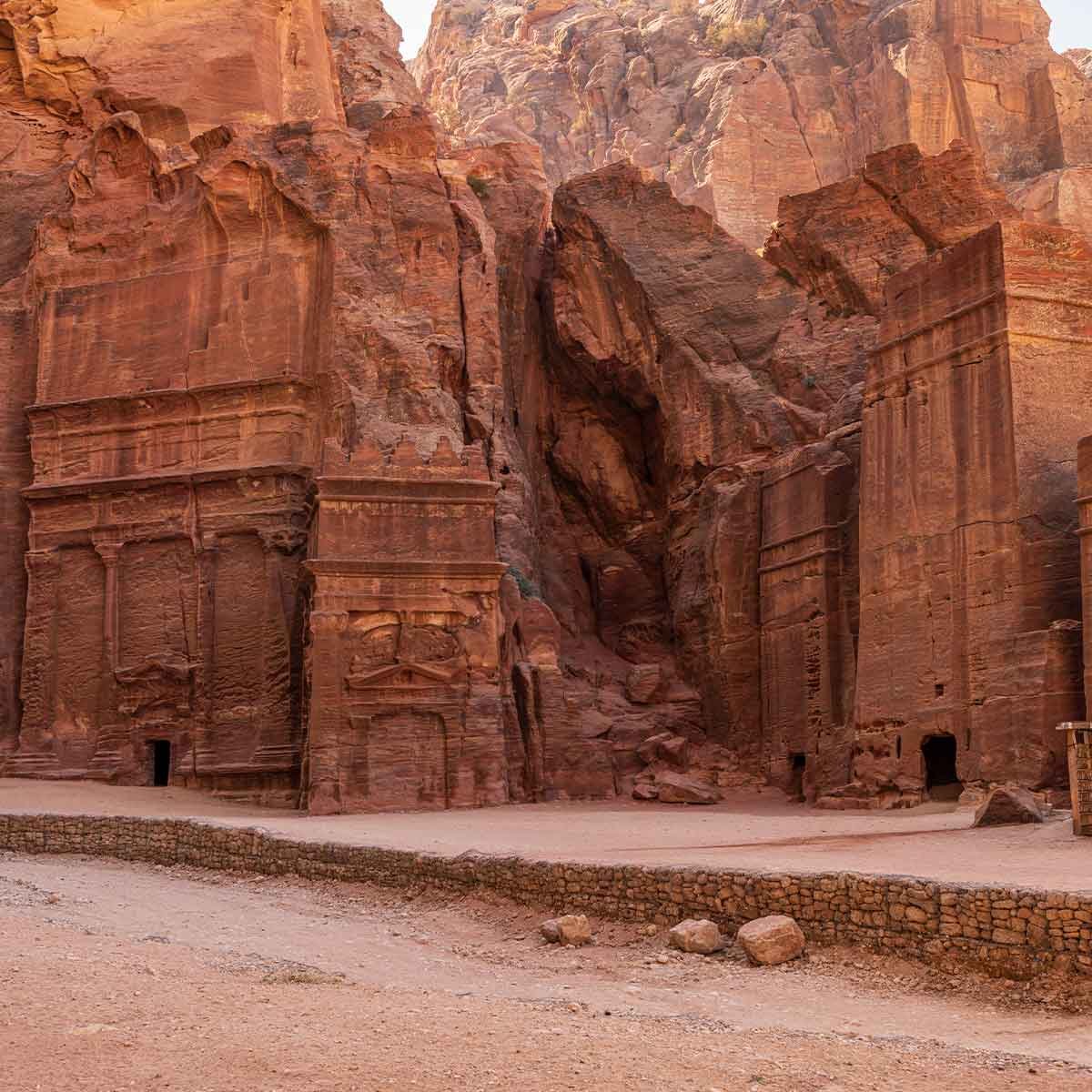
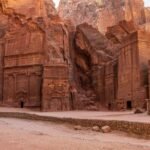
In one day, prioritize the Siq, Treasury, Street of Facades, Theater, Royal Tombs, and the city center around the Great Temple and Qasr al-Bint. With two days, add the Monastery hike, High Place of Sacrifice loop, viewpoints over the Treasury, and quieter side canyons. Start early to photograph major monuments in soft light and to experience sections with fewer crowds.
When is the best time to visit and how can I avoid crowds?
Mornings and late afternoons offer cooler temperatures and gentler light for photography. Shoulder periods outside peak holidays typically feel less busy, and mid-week visits can be calmer than weekends. Enter at opening time, walk directly through the Siq to reach the Treasury early, then loop back later for secondary sights when visitor flow spreads out.
Is Petra safe to explore and what practical tips should I know?
Petra is a well-managed park with marked trails and on-site staff; normal travel awareness is recommended. Wear sturdy footwear, carry sun protection and sufficient water, and plan for long walking distances with elevation gain. Weather can change quickly; check forecasts, follow official guidance, and use licensed guides for longer routes and lesser-known paths.
Where can I find reliable video overviews—like a “petra history channel” style summary?
Look for documentary-quality explainers from reputable broadcasters, museums, and university channels that cite archaeologists and current excavations. Favor videos that discuss the Nabataean trade network, water systems, and urban layout, not just cinematic shots of monuments. Cross-check claims with official resources and museum publications to avoid outdated or speculative narratives.
What are the real “secrets of the ancient builders” at Petra?
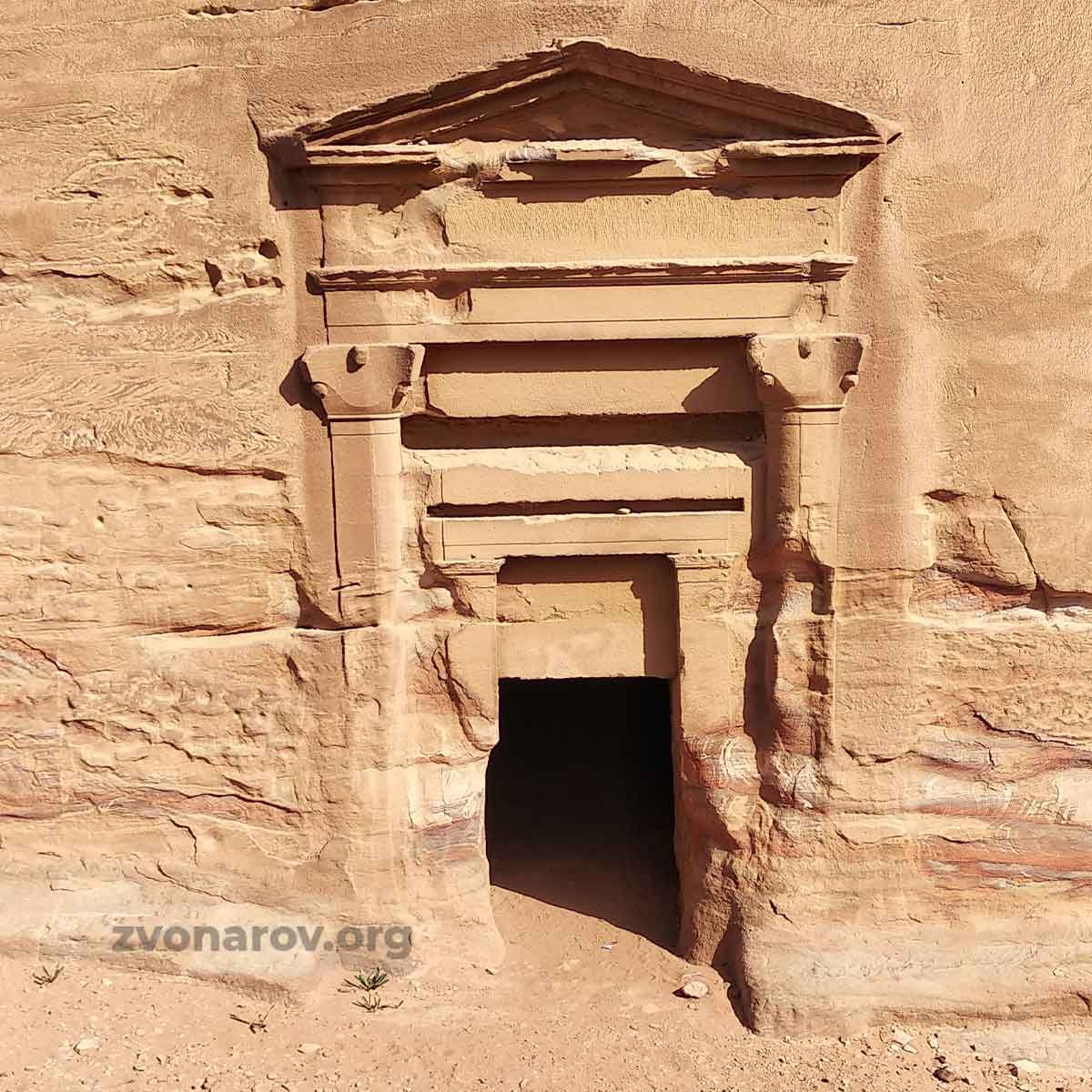
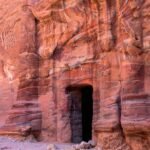
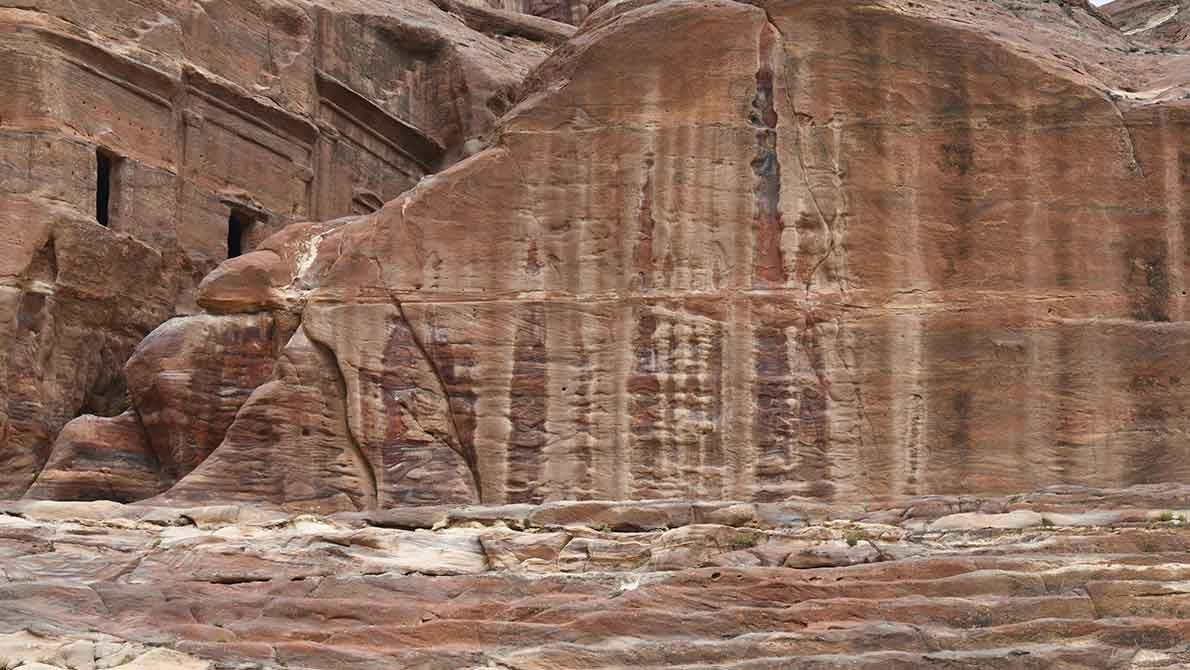
The ingenuity lies in engineering and site planning rather than hidden mystique: quarry-to-facade workflows, precise carving sequences on vertical rock faces, and advanced hydraulic infrastructure that diverted, stored, and distributed water. Nabataean architects blended regional traditions with Hellenistic aesthetics to create grand, stable facades. Modern surveys and excavations keep refining what we know about these methods.





There are no comments yet.