Urn Tomb

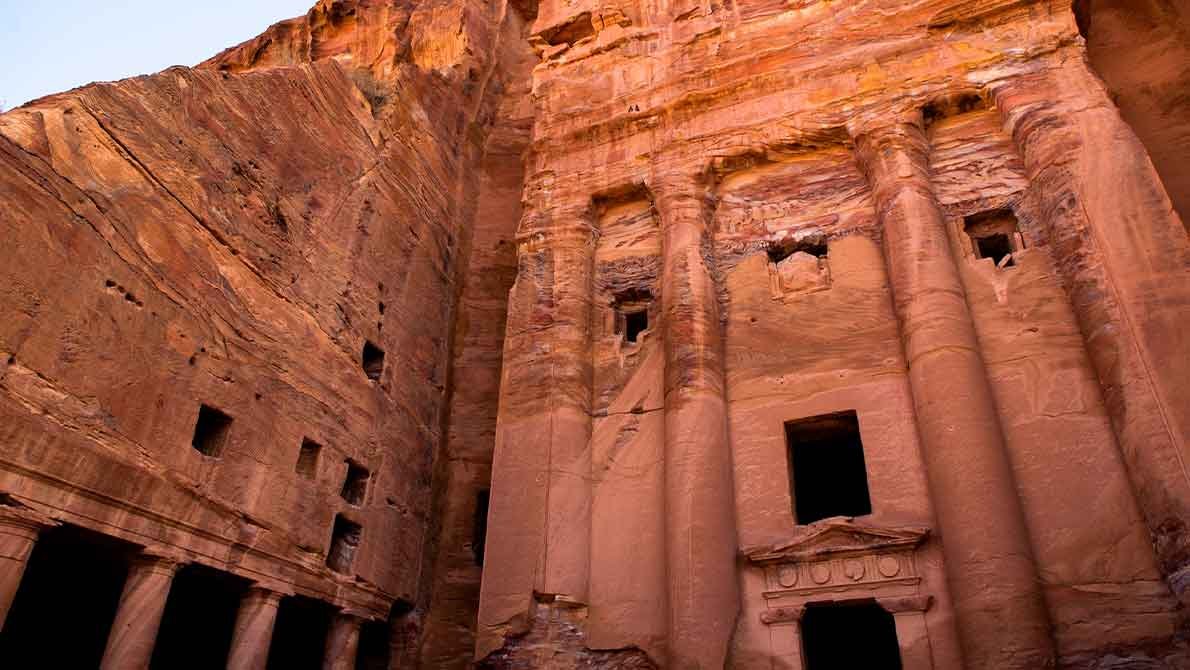
The Urn Tomb in Petra, Jordan, stands out with its grand facade cut directly into the rock face. Inside are halls and details that reveal a level of craftsmanship difficult to explain with known tools. Overlooking much of the valley, this monument remains one of Petra’s most enigmatic landmarks. A site where official history meets unanswered questions.

Category:
Overview

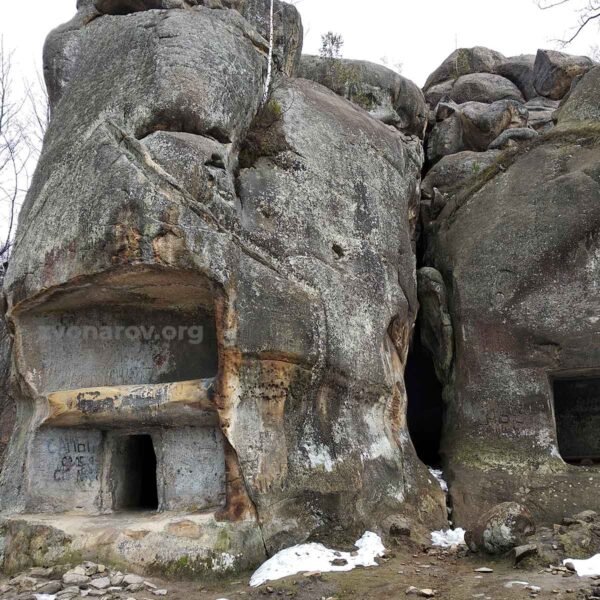
Do you understand that this place was once a solid rock? With some unknown tool, both a transverse and a longitudinal cut were made, meeting at a corner, which allowed an enormous mass of stone to be removed. I see no reason to level the walls if this had been done with hand tools. Moreover, there are no traces of chipping here. The wall is completely smooth, and there are no construction blocks in it. All the columns, window openings, and other elements are part of the rock itself. The ancient builders simply removed the excess stone, leaving only what they needed. But this is clearly not our technology. Even today we don’t work like this, because it is an incredibly labor-intensive and practically impossible process, where any, even the slightest mistake, would lead to complete failure.
Ancient Petra tomb carved chamber entrance

From our point of view, this is utterly irrational. And if we imagine that such a thing could have been done once or twice, then how can we explain such work carried out over an area of 264 square kilometers? Seriously? Do you still believe in the official version of history? Personally, I am becoming more and more doubtful. With every new discovery, with every investigation I make, my doubts only grow stronger.

What is the most famous Petra monument?
The best-known Petra monument is Al-Khazneh, widely called the Treasury. Its rock-cut facade emerges dramatically at the end of the Siq canyon and has become the symbol of Petra worldwide. Many visitors also rank Ad-Deir (the Monastery) and the Royal Tombs among the site’s most iconic landmarks.
How do you reach Petra’s main landmarks and plan a route?
Most routes begin at the Visitor Center and follow the Siq, a narrow canyon that opens onto the Treasury. From there, trails continue to the Street of Facades, the Theater, the Colonnaded Street, and up to the Monastery via a long stairway. Start early, carry water, and allow time for detours to viewpoints above major attractions.
Why is Petra called the “Rose City” and what makes its architecture unique?
Petra’s sandstone glows in shades of pink, orange, and red, especially at sunrise and sunset, inspiring the “Rose City” nickname. Monuments are carved directly into cliffs, blending classical design with local traditions. This rock-cut architecture, including elaborate facades and hidden interiors, creates a seamless fusion of nature and craftsmanship.
Are all Petra landmarks tombs or temples?
Not all structures served the same function; many remain debated by researchers. Some facades front likely tombs, while others could have been ceremonial or administrative spaces. The city also includes dwellings, caves, cisterns, channels, and other infrastructure that supported everyday life and complex water management.
What lesser-known Petra attractions are worth seeing beyond the Treasury?
Explore the High Place of Sacrifice for sweeping views over the canyons and rock-cut facades. Visit the Royal Tombs, the Colonnaded Street with its Great Temple area, and the Byzantine Church with mosaic floors. Little Petra (Siq al-Barid) offers additional painted chambers and a quieter glimpse into Nabataean life.
How can visitors protect Petra’s fragile monuments during a visit?
Sandstone erodes easily, so avoid touching carvings or climbing on facades and ledges. Stay on marked paths, follow ranger guidance, and be mindful of wildlife and local communities. Choosing licensed guides and ethical services helps preserve Petra’s heritage and supports conservation-friendly tourism.
Comments

There are no comments yet.

Be the first to comment “Urn Tomb”

Your email address will not be published. Required fields are marked *