What is the Siq in Petra and why is it significant?
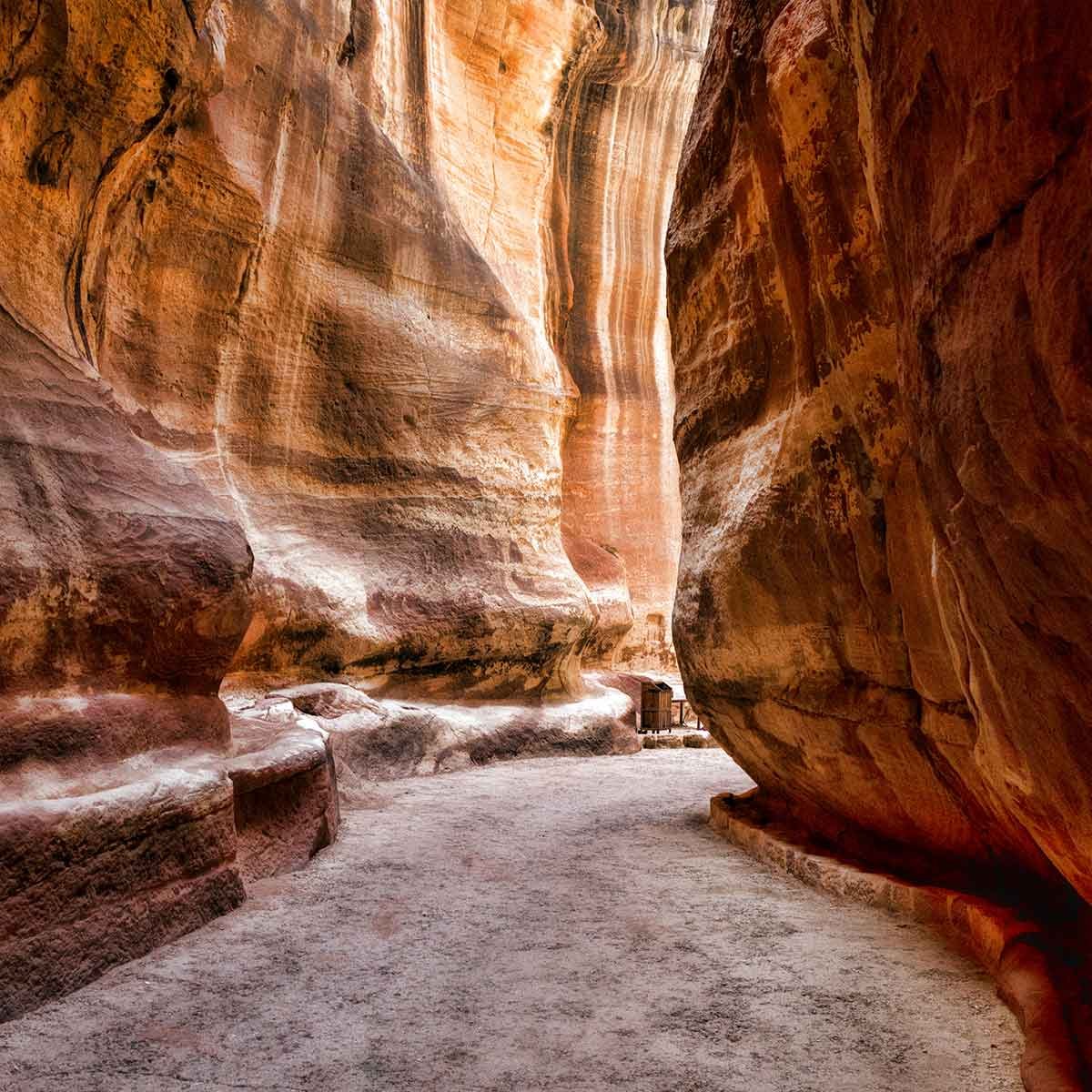
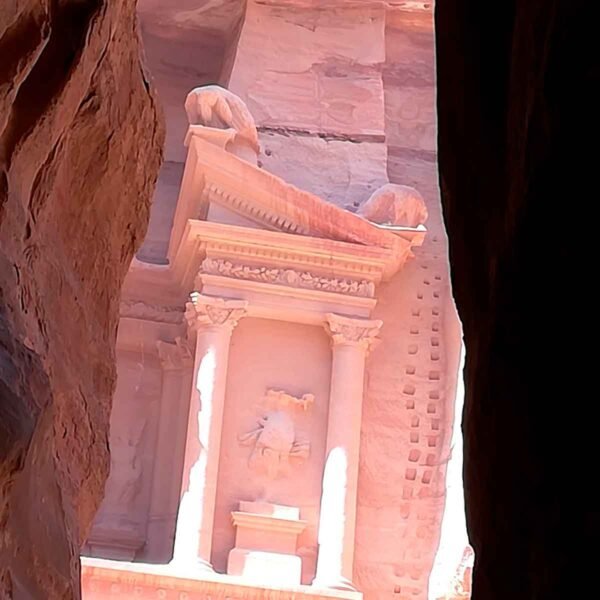
The Siq is the narrow natural corridor that serves as the main entrance to the ancient city of Petra. It guides visitors through towering sandstone walls and culminates with the dramatic reveal of Al-Khazneh (the Treasury). The passage concentrates foot traffic and storytelling: every bend builds anticipation, framing the monument like a stage curtain.
How long does it take to walk through the Siq and what should I expect on the way?
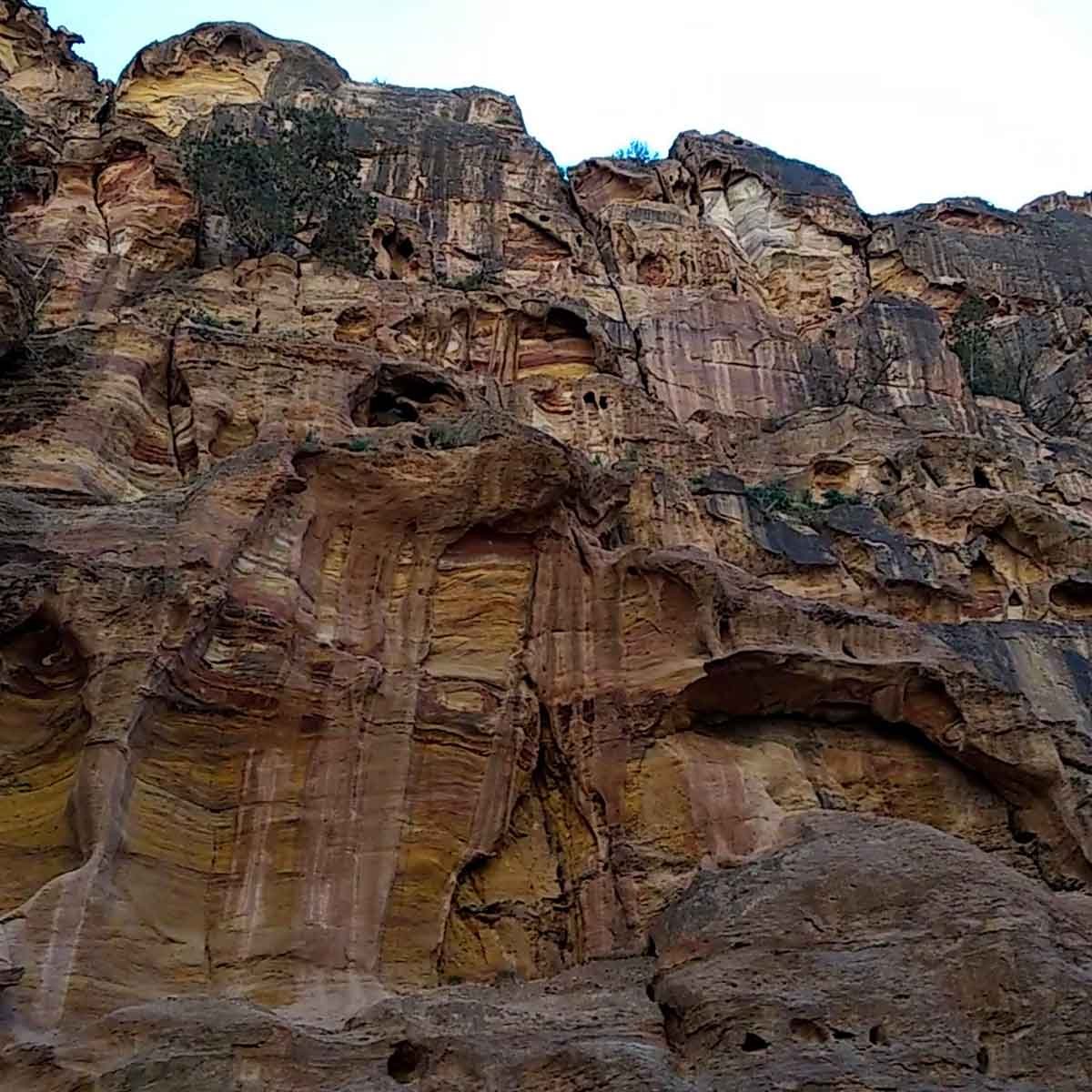
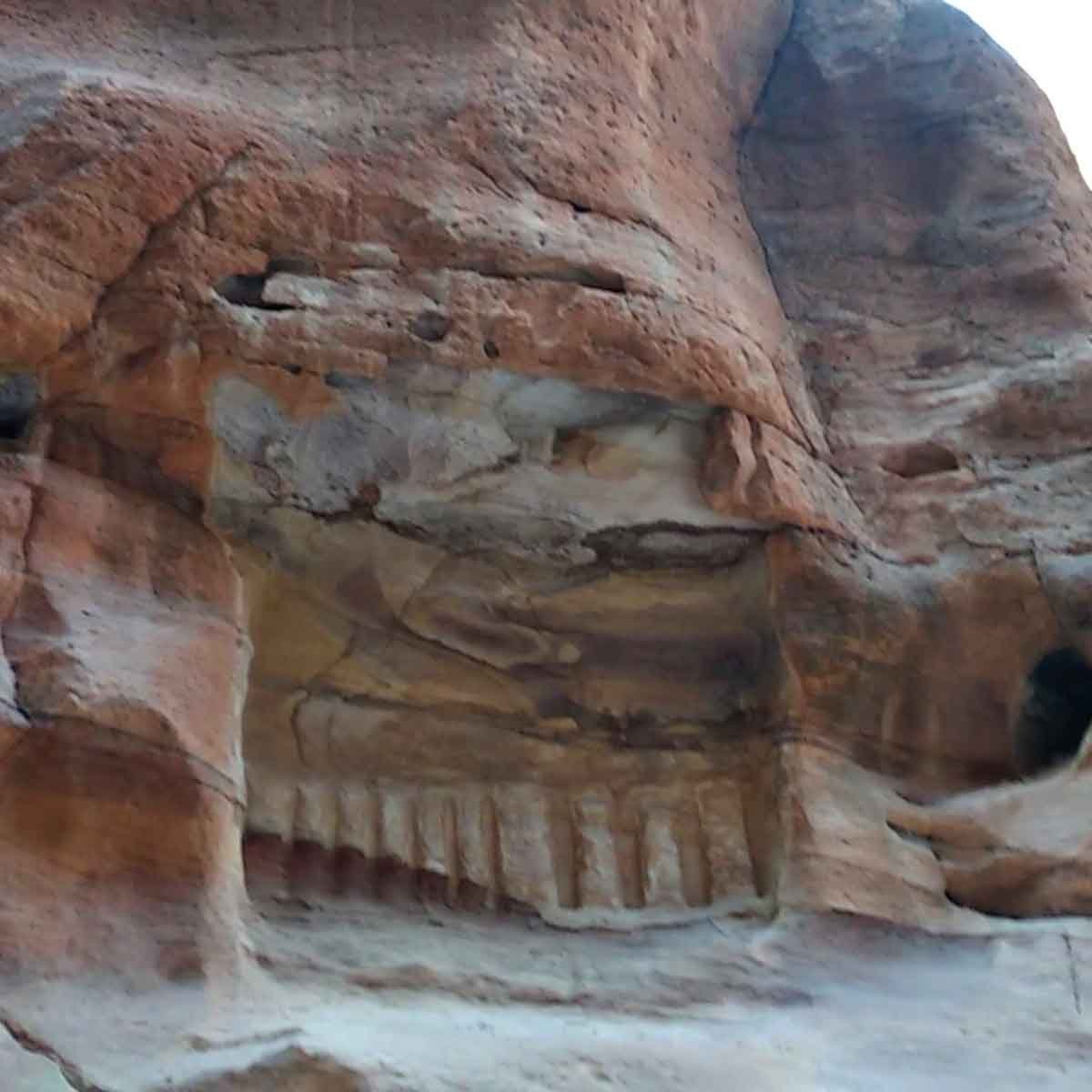
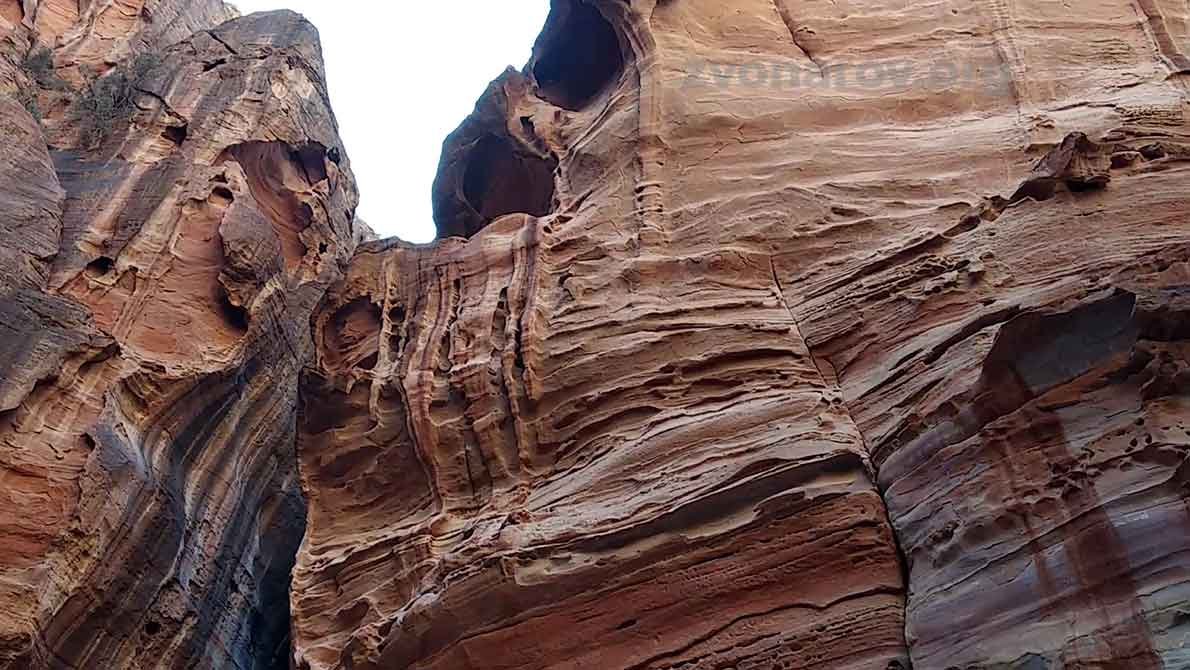
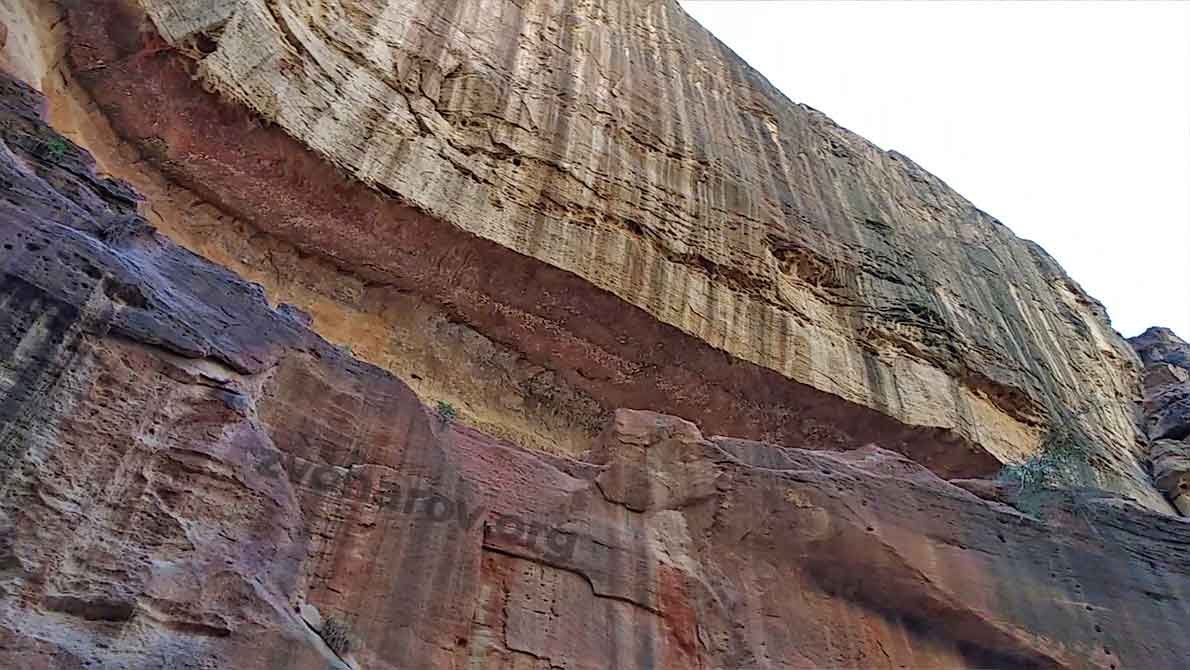
Most visitors cover the Siq at a relaxed pace, allowing time to notice rock textures, Nabataean water channels and occasional niches carved into the walls. The path has a gentle gradient and a firm surface suitable for steady walking. Expect shade in parts, shifting light for photography, and occasional crowds near the Treasury reveal.
Is the path through the Siq the same route people call the “petra canyon”?
Yes, many travelers informally refer to the Siq as the “petra canyon” because it feels like a long canyon leading into the city. Technically it is a natural geological cleft later smoothed by water and adapted by the Nabataeans. In practice, this is the iconic walkway most visitors take to reach the heart of Petra.
What makes the Siq different from a typical “petra gorge” or slot canyon?
Unlike many slot canyons that are purely water-carved, the Siq originated as a natural fault and was subsequently shaped by erosion and human engineering. Its walls rise high and close, creating a winding, cinematic approach rather than a simple open valley. This blend of geology and ancient infrastructure sets it apart.
When is the best time of day to visit the Siq for photos and comfort?
Early morning and late afternoon offer softer light that enhances the color bands in the sandstone and helps avoid harsh midday glare. Cooler temperatures also make the walk more comfortable, especially in warmer months. Arriving early reduces crowding, giving more space for the Treasury reveal at the end.
Is the Siq suitable for families and travelers with limited mobility?
The route is generally level with a compact surface, so many families find it manageable. That said, it is a linear walk with limited seating and services along the corridor, so plan rests and bring water. Visitors with mobility needs should check current on-site options such as authorized carriages or assistance services before arrival.
Are there safety considerations, such as weather or flash floods, when walking the Siq?
Conditions can change with weather, so it’s wise to check the forecast and any official guidance at the entrance. After rainfall, authorities may impose precautions due to potential runoff in surrounding valleys. Follow staff instructions, keep to marked paths, and avoid lingering under overhangs during unsettled conditions.











There are no comments yet.