Petra size

Petra in Jordan impresses visitors with its extraordinary size and breathtaking architectural scale. The site combines rich history with mystery, offering detailed Petra Jordan information for curious travelers. Its vast scale and intricate rock-cut design highlight the monumental achievement of ancient builders. Even today, the true origins and purpose of its immense structures remain surrounded by questions.
Category:
Overview

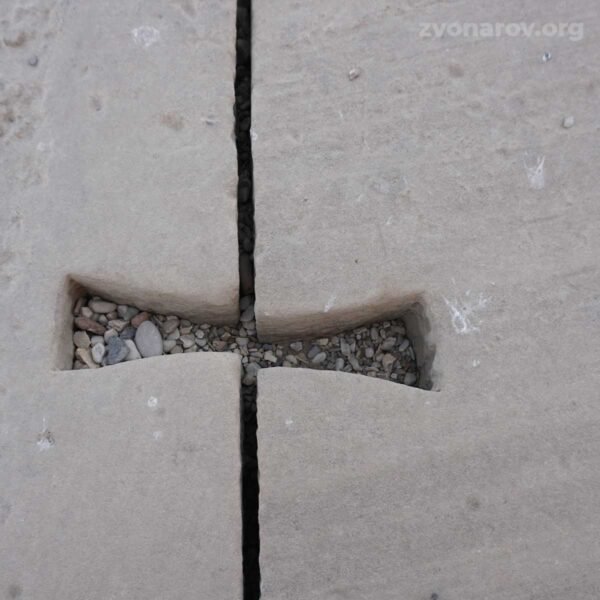
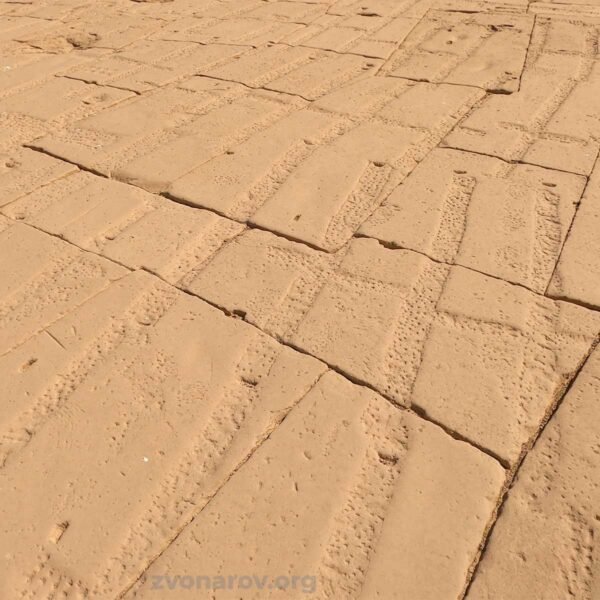
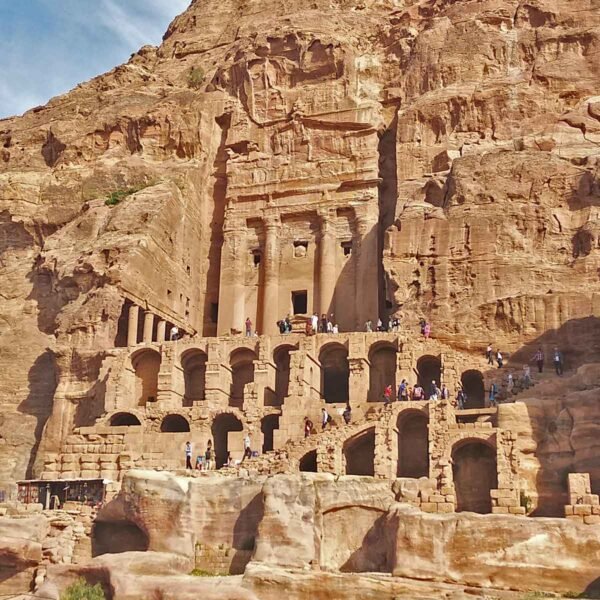
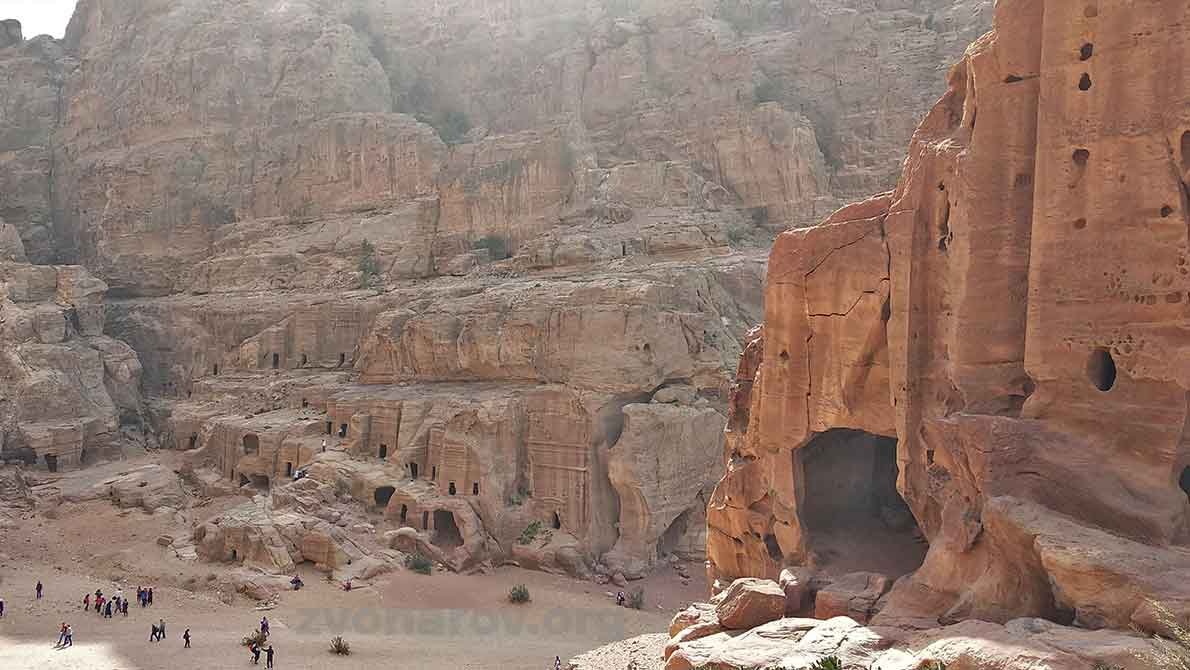
Let us take another look at the photographs of the Petra complex in Jordan. What we see here is not an isolated case but a systemic pattern. All of this is repeated across an enormous territory that covers about 264 square kilometers. Imagine the scale: an entire area where almost every rock bears traces of intervention and appears as though something has happened to it.

Panorama of Petra rock tombs from afar

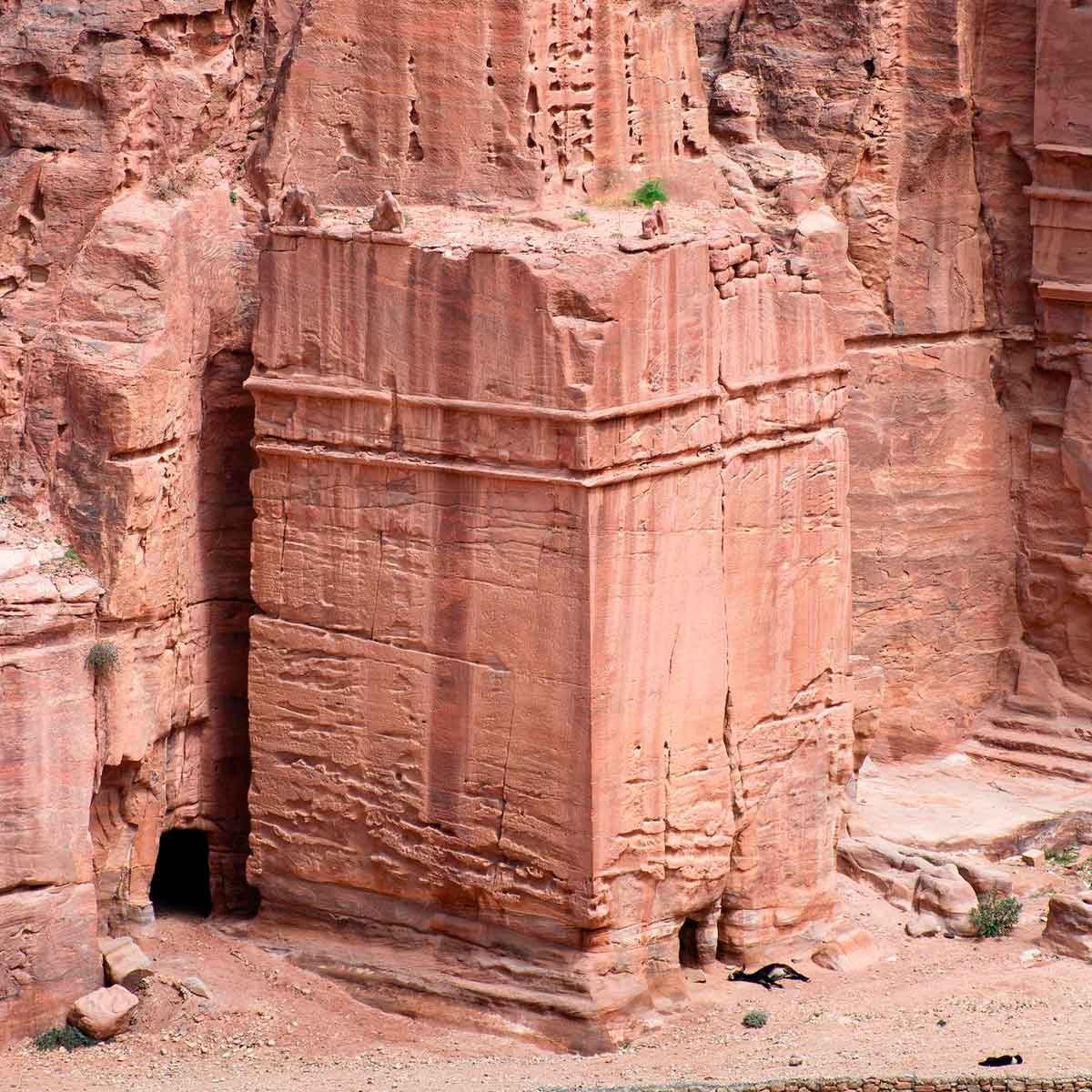
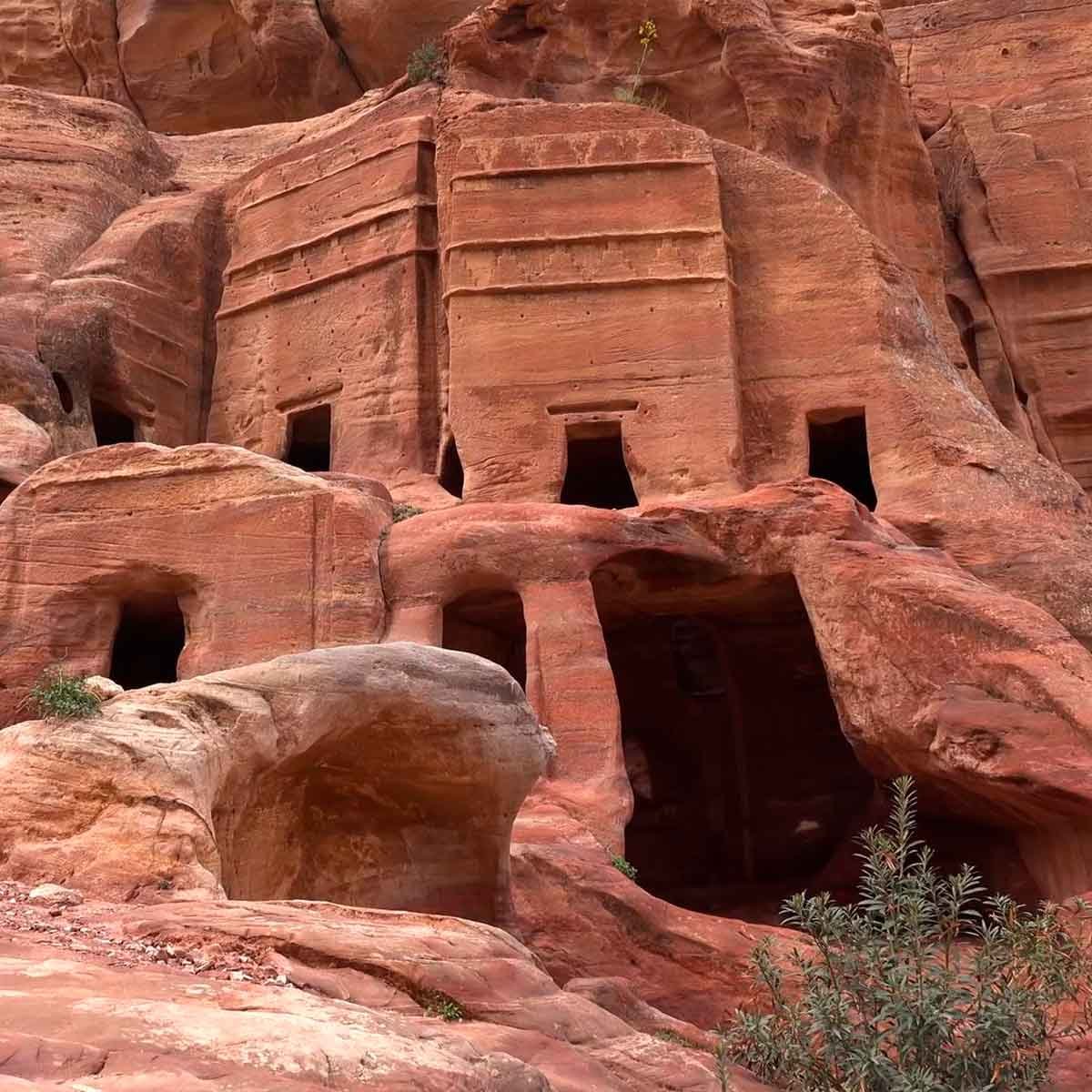
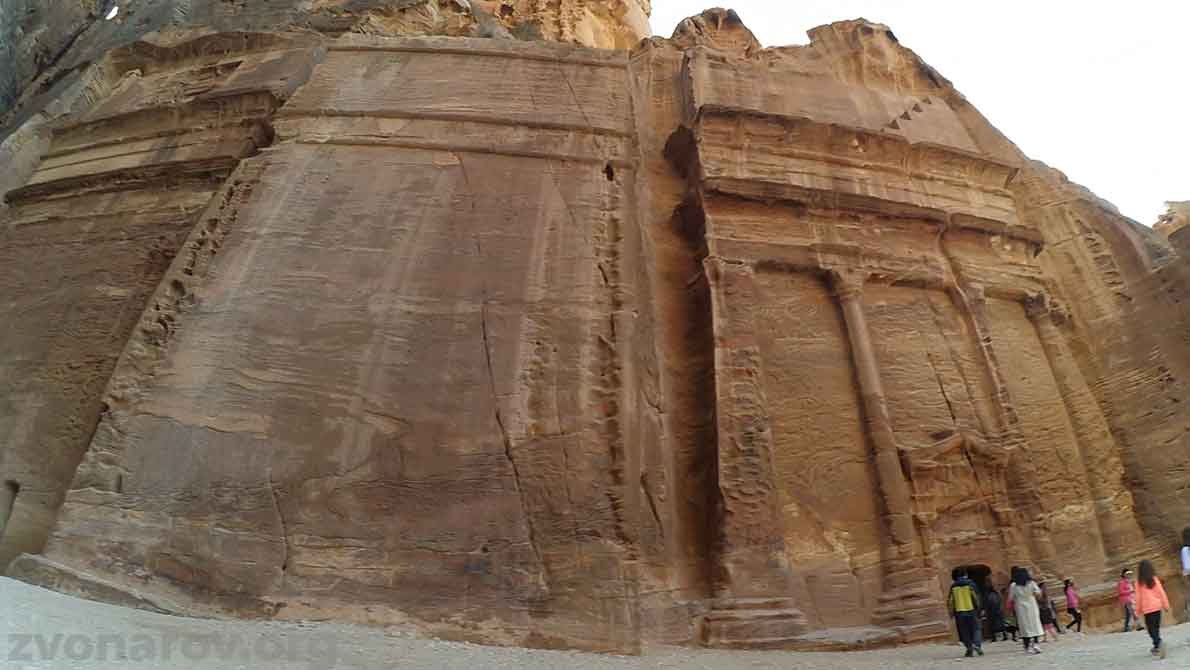
We see straight lines, recesses, smooth surfaces, and at the same time deformations, as if the stone had been subjected to a powerful force. To the casual eye, it may seem like natural erosion, but upon closer inspection, it becomes clear: this is something else. It is either the result of some unknown technology or a side effect of a process we cannot yet explain.

Petra carved rock tomb with straight facade

Personally, I am inclined to the version of melting. In several places, the rock surfaces resemble clay or plasticine that has been heated and softened. The stone seems to have flowed, as though exposed to high temperatures, and then solidified, freezing the moment of destruction. This is clearly visible in the photographs: the rock walls look as if they were made of a soft material that had been exposed to heat.

What is the actual size of Petra?
When visitors ask about “petra size,” they usually mean the full archaeological park, not just the Treasury. The protected area spans a vast desert-mountain landscape with multiple valleys, plateaus and side canyons. Expect hours of walking between major monuments—even a full day only covers the highlights.
Where can I find petra jordan information that is reliable?
Start with official and scholarly sources: the Petra Development and Tourism Region Authority and UNESCO’s World Heritage listing provide authoritative context and visitor guidance. Museum content and on-site signage complement this with updated research. Reputable guidebooks and peer-reviewed articles add depth beyond travel blogs.
How long does it take to see the main highlights?
Most travelers need a full day for the Siq, Treasury, Street of Facades, Theatre and the Royal Tombs. Adding the Monastery (Ad-Deir) or High Place of Sacrifice increases hiking time and elevation gain. For photography, research, or quieter side trails, plan two days to move beyond the main corridor.
Are the monuments at Petra carved or built?
Petra is famous for rock-cut architecture—façades and chambers are carved directly into sandstone cliffs. Freestanding structures also exist, including temples and colonnaded streets built with masonry. This blend of carving and construction reflects engineering adapted to local geology and water management.
What should I know about terrain and safety?
Trails range from wide, sandy wadis to steep stairways with uneven steps; sturdy footwear is essential. Weather can shift quickly and flash floods are possible in narrow gorges—check advisories and follow ranger guidance. Carry water, sun protection, and avoid cliff edges when seeking viewpoints.
Which landmarks best show Petra’s scale and craftsmanship?
The Siq reveals ancient water channels and the dramatic entrance to the Treasury (Al-Khazneh). The Royal Tombs and the Theatre demonstrate urban planning and ceremonial space. Ad-Deir (the Monastery) crowns the experience with a monumental façade reached by a panoramic stairway hike.
Comments

There are no comments yet.

Be the first to comment “Petra size”

Your email address will not be published. Required fields are marked *