Petra Stones

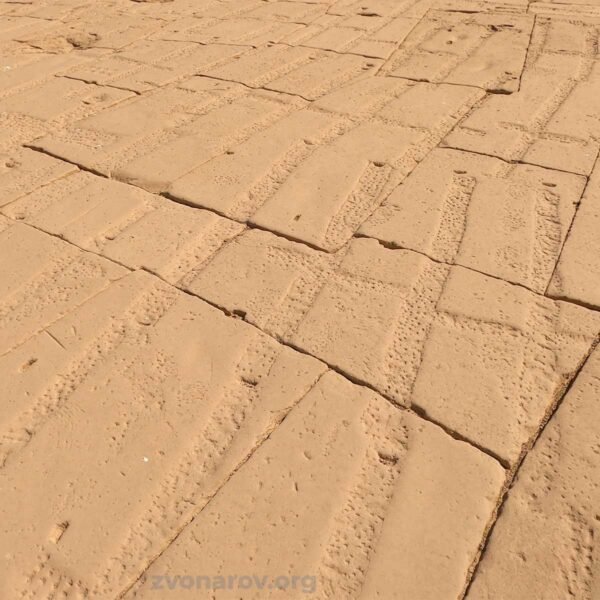
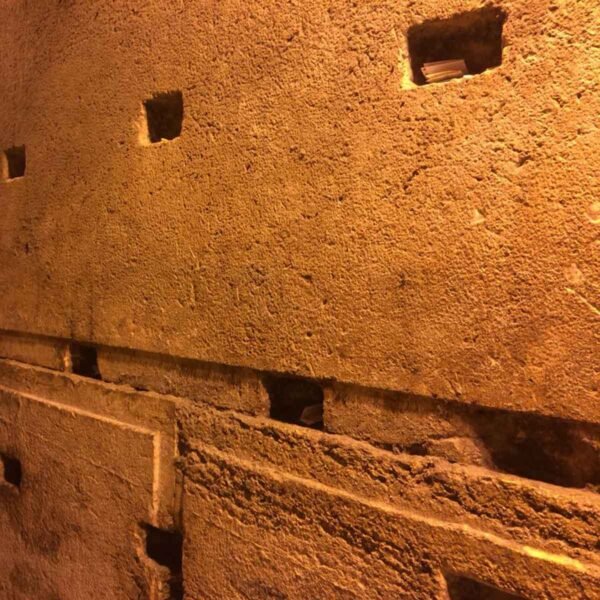
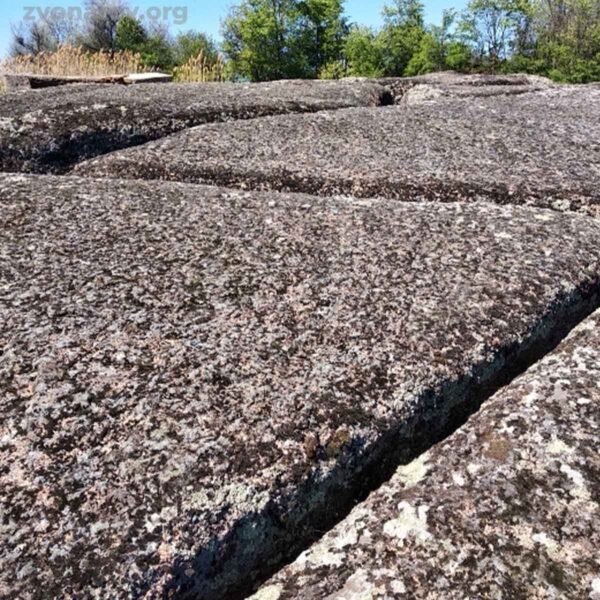
Petra Stones in Jordan stand out with their monumental rock-cut forms and unusual precision of execution. This unique site impresses with preserved details and mysterious purpose. Nearby, the djinn blocks enhance the aura of enigma surrounding the monument. The origin of Petra Stones remains one of the most fascinating riddles of ancient architecture.
Category:
Overview

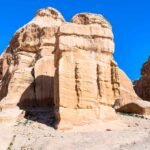
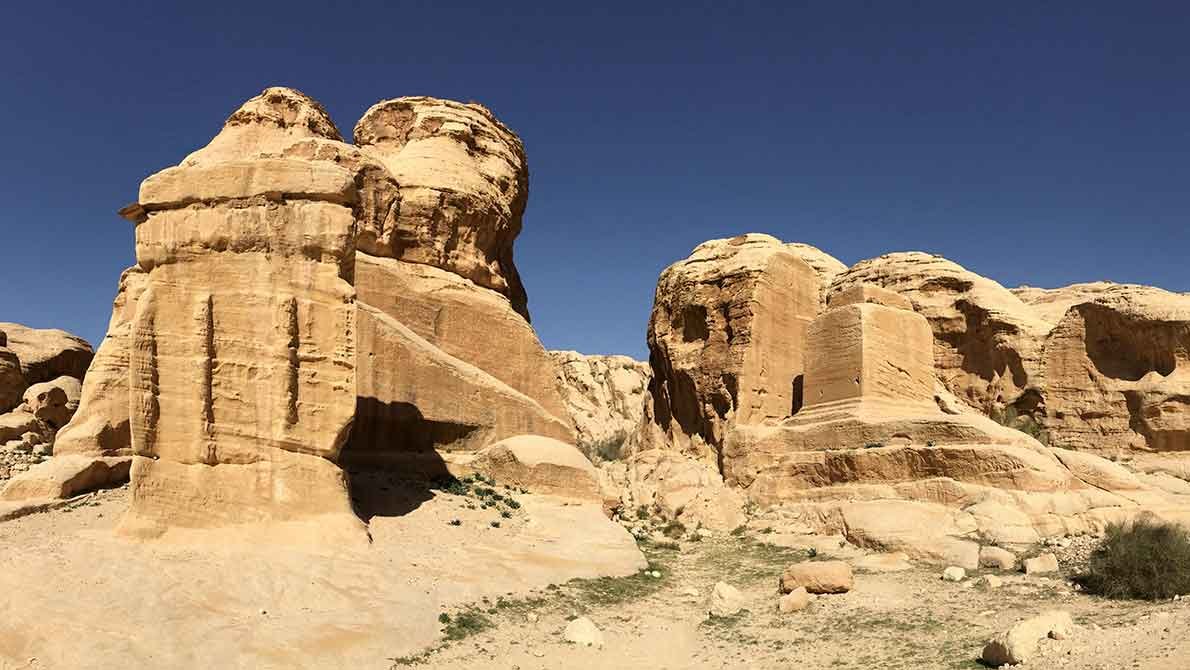
The very first thing that greets us at the entrance to Petra is the Djinn blocks, strange stone constructions, or rather the remains of an ancient structure. For me, as a researcher of ancient civilizations, it immediately became clear that I had come to the right place — this was exactly what I was looking for: traces of "alien" technologies. We do not build like this.

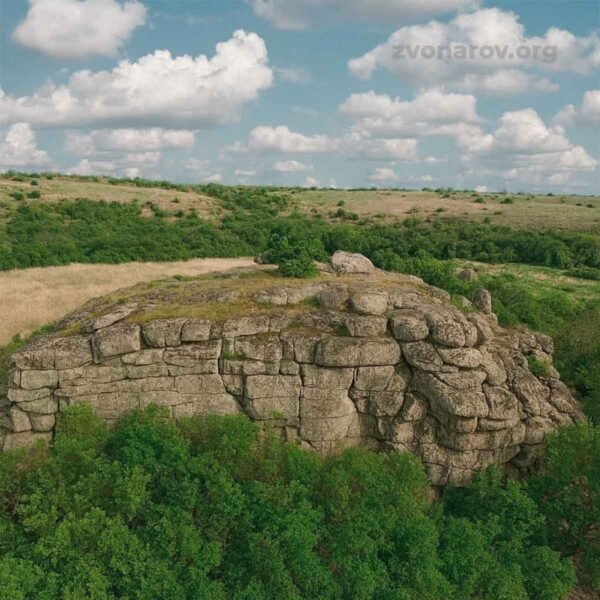
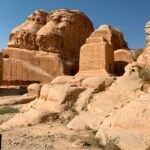
Ancient Djinn Blocks Petra cliff view

In ancient times, rulers sought to erect grand structures quickly in order to gain fame during their lifetime. Therefore, they used small blocks that could be stacked and faced. But in Petra we see something different: entire cliffs are cut off, as if they were sliced with giant tools. This is far too labor-intensive and impossible for people with copper tools.

What are the djinn blocks in Petra?
The djinn blocks are large, freestanding, cube-like sandstone monuments near the entrance to Petra, in the Bab as-Siq area. Their name comes from local folklore about spirits, but archaeologically they are generally viewed as funerary or commemorative monuments. Their stark geometric form makes them some of the most distinctive petra stones visitors encounter before entering the Siq.
Where exactly can I see them and how many are there?
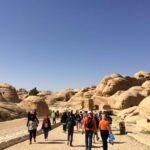
You will find several djinn blocks a short walk from the Petra Visitor Center, before the Siq, clustered around Bab as-Siq. Three prominent blocks stand beside the main approach path, easy to spot on the way in. Across the wider archaeological park there are roughly 25 such monuments recorded by surveys.
What might have been their purpose?
Most researchers interpret the djinn blocks as tombs or memorials linked to Petra’s necropolis at the city gate. Other theories suggest ties to ritual dedications, including associations with water and fertility cults, or connections to Nabataean betyl worship. The exact role remains debated, which adds to their appeal for both travelers and researchers.
Why do locals call them “petra stones” or “god blocks”?
The phrases reflect how striking these monoliths appear to visitors and in local storytelling. In Bedouin folklore, “djinn” are spirits; over time, the blocks were linked with supernatural dwellings and nicknamed “god blocks” in some guides. For clarity, in archaeology and tourism materials they are best known as the djinn blocks of Petra.
How do the djinn blocks relate to other nearby monuments?
The blocks stand at Petra’s threshold among early rock-cut tombs and triclinia in Bab as-Siq, the traditional gateway to the city. Triclinia nearby were used for ritual feasts and often appear close to tombs, hinting at broader funerary and ceremonial landscapes. Seeing the blocks before the Siq helps frame the city’s mix of procession, memory, and cult practice.
Practical tips for visiting and photographing the djinn blocks
Visit early or late in the day for softer light on the sandstone and fewer crowds on the approach trail. Allow a brief stop on your way in and out; the blocks are right off the main path and easy to include without detours. Please stay off the monuments and respect barriers—erosion and foot traffic can damage the fragile sandstone surfaces.
Comments

There are no comments yet.

Be the first to comment “Petra Stones”

Your email address will not be published. Required fields are marked *