
Royal Tombs Petra
The Royal Tombs Petra in Jordan impress with monumental facades carved into the rock, where the Urn Tomb Petra stands as one of the highlights. Alongside it, the Palace Tomb Petra reveals the grandeur of Nabataean craftsmanship and leaves travelers fascinated by its scale. These royal tombs Petra Jordan still preserve an atmosphere of ancient mystery that continues to spark debate among historians and explorers.
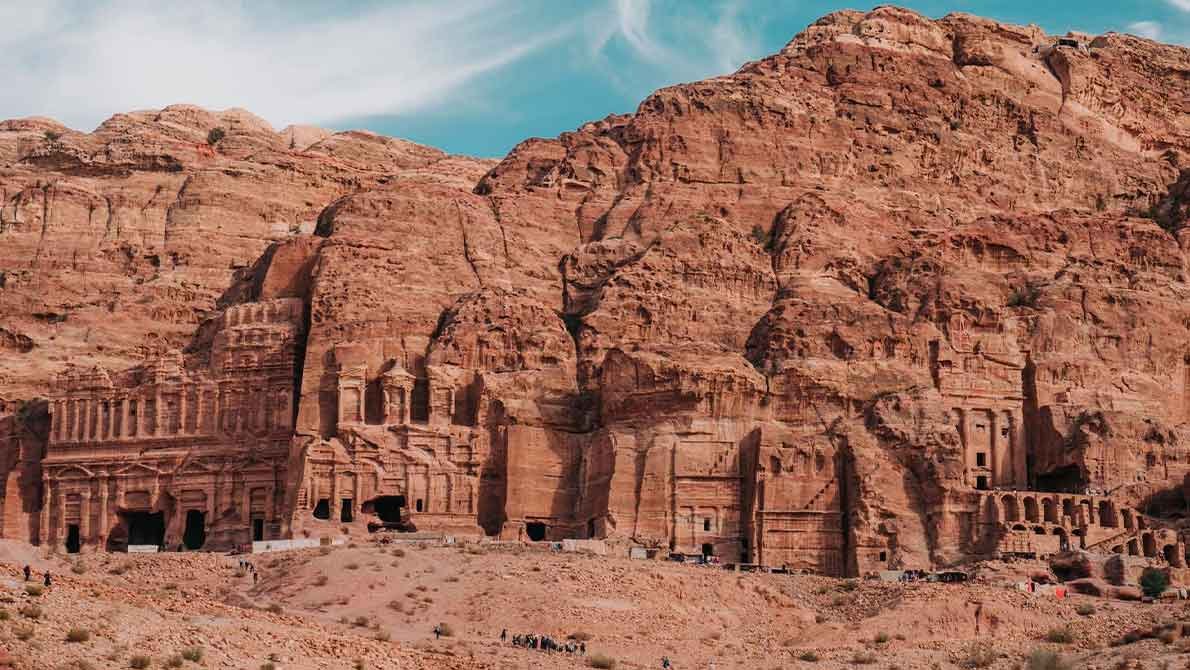
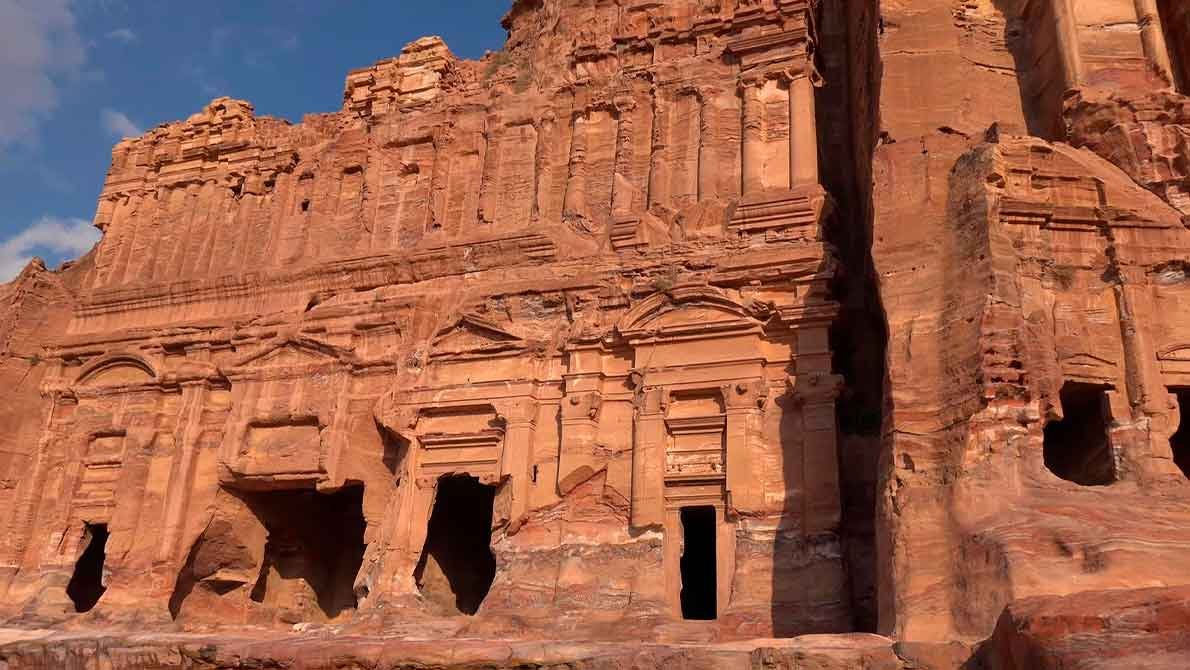
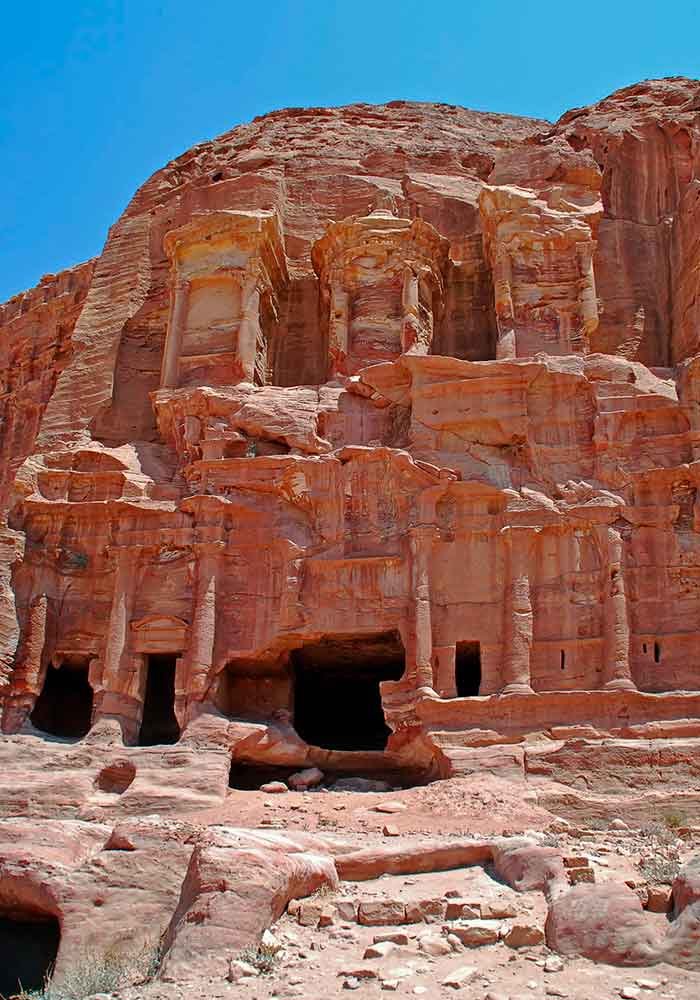
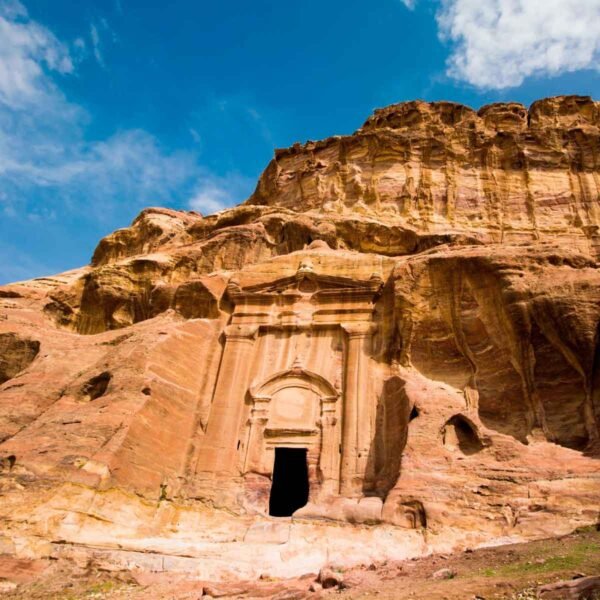
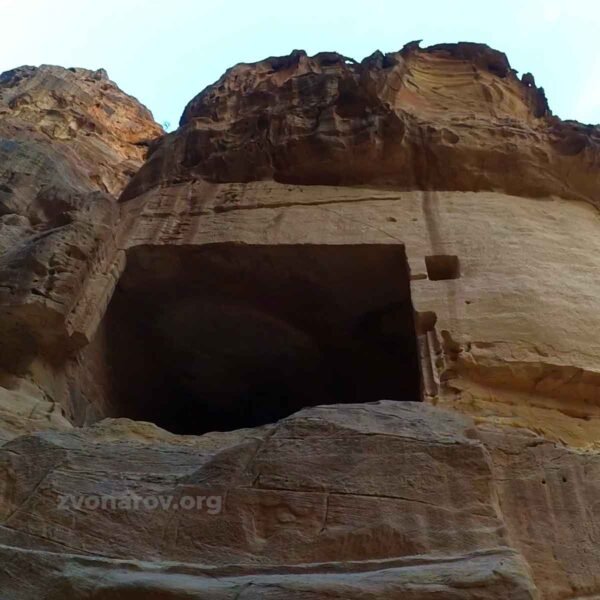
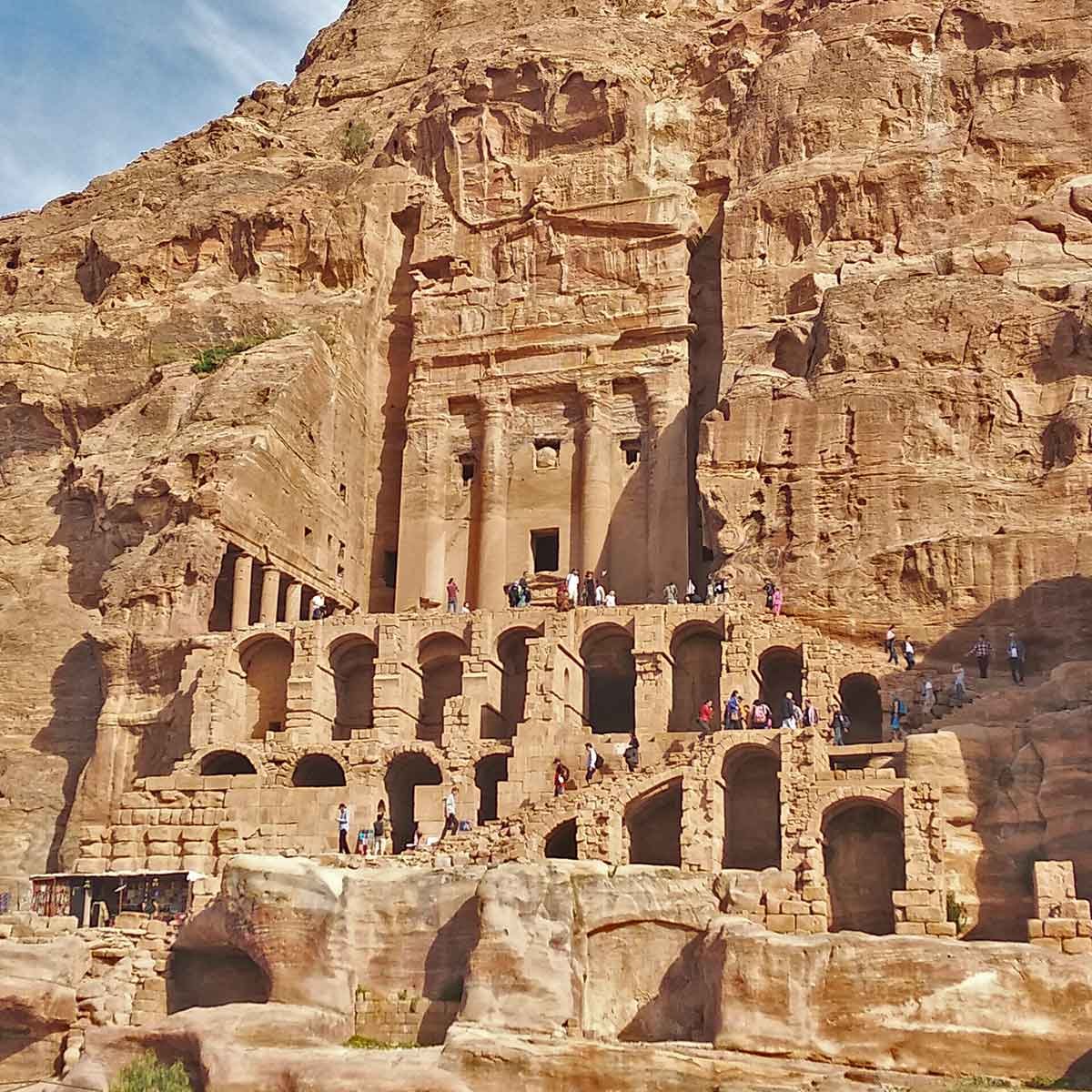
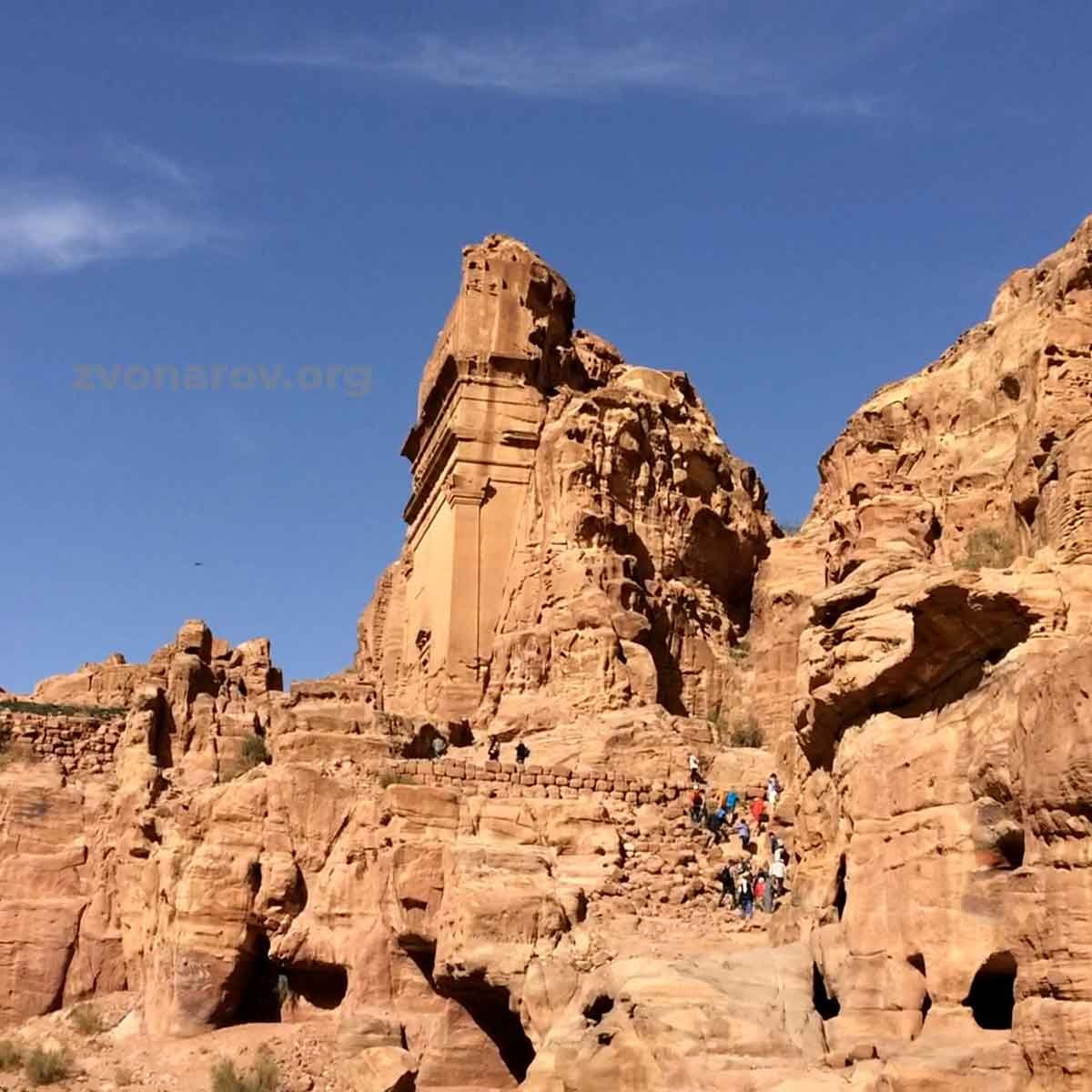
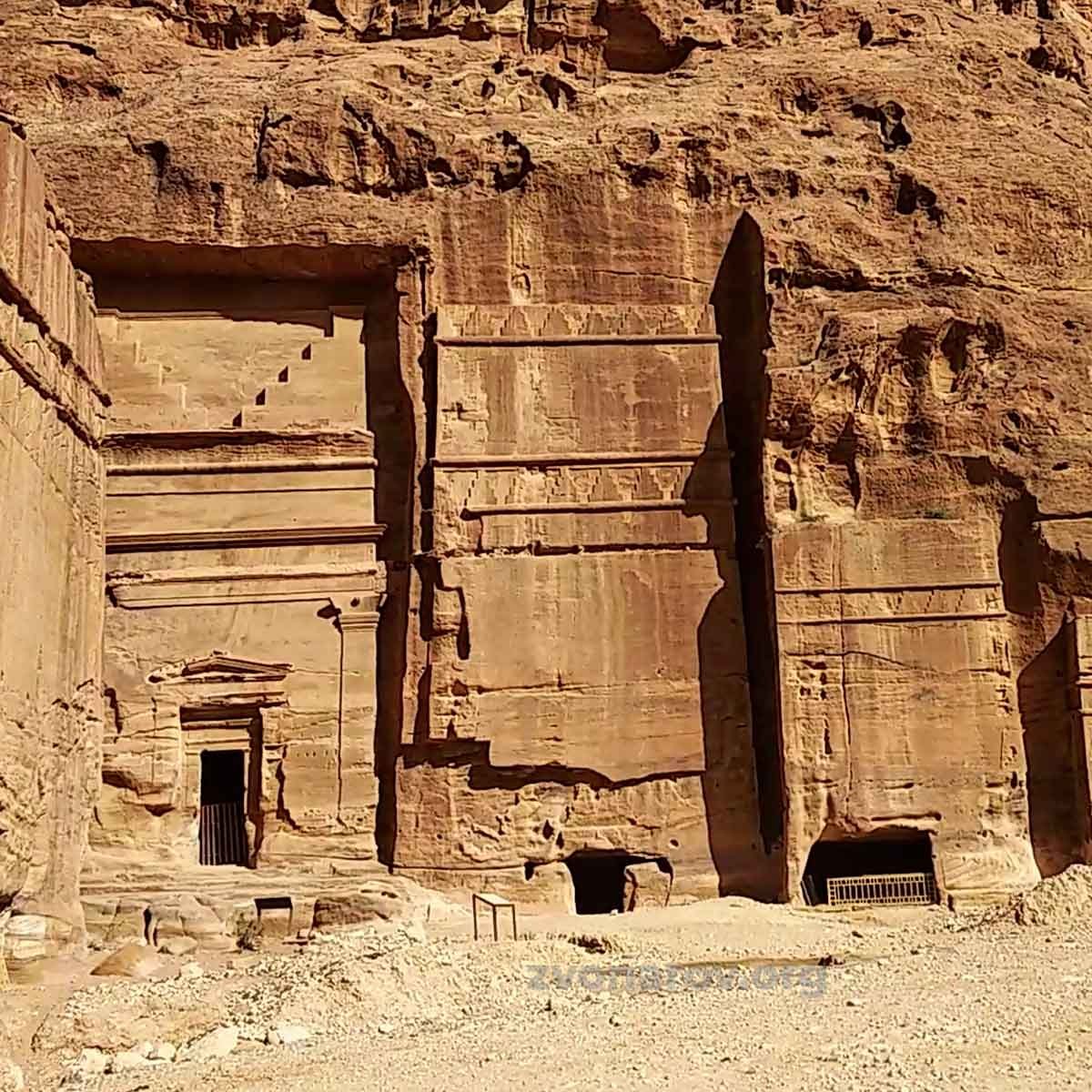
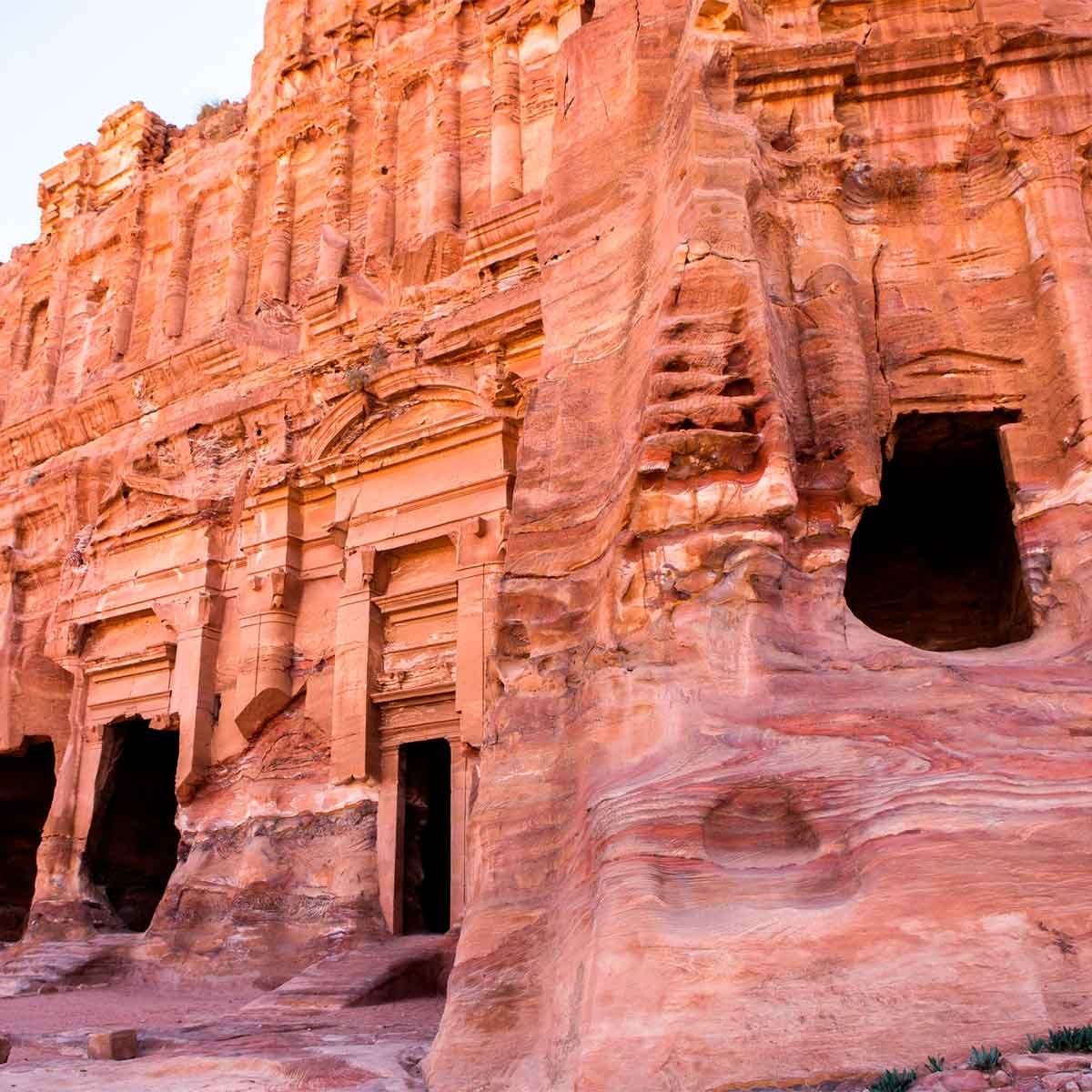
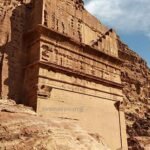
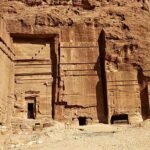
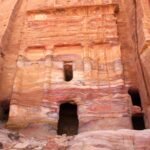
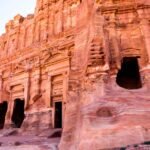
Look carefully at the photo below. Before us is a rock massif from which the excess seems to have been carefully removed, leaving an entire complex of structures. The scale here is not about a single statue — it is as if a city carved out of rock: beautiful, complex, technically sophisticated. Just as a sculptor cuts away everything unnecessary, here the stone was stripped in layers so that only what was needed remained.
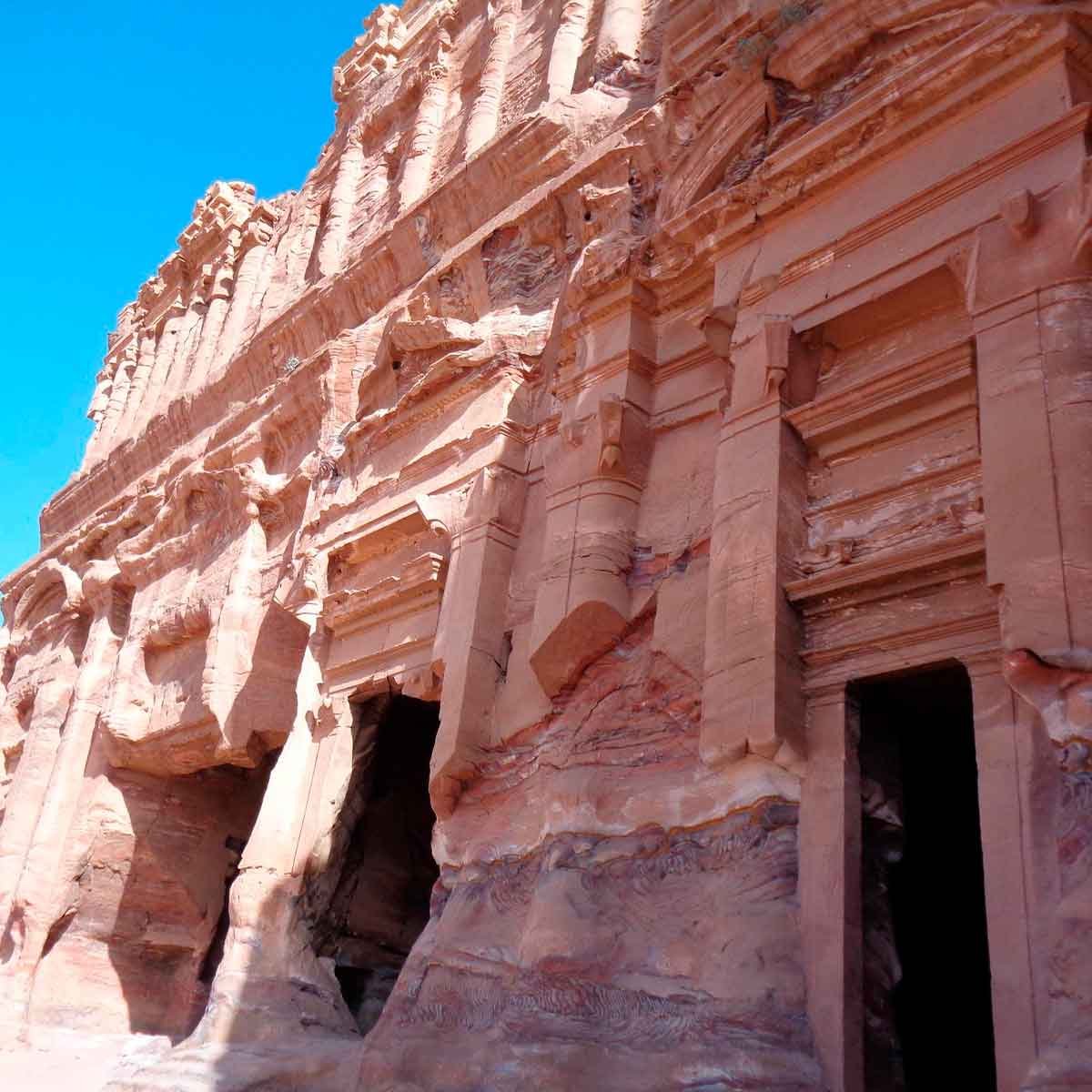
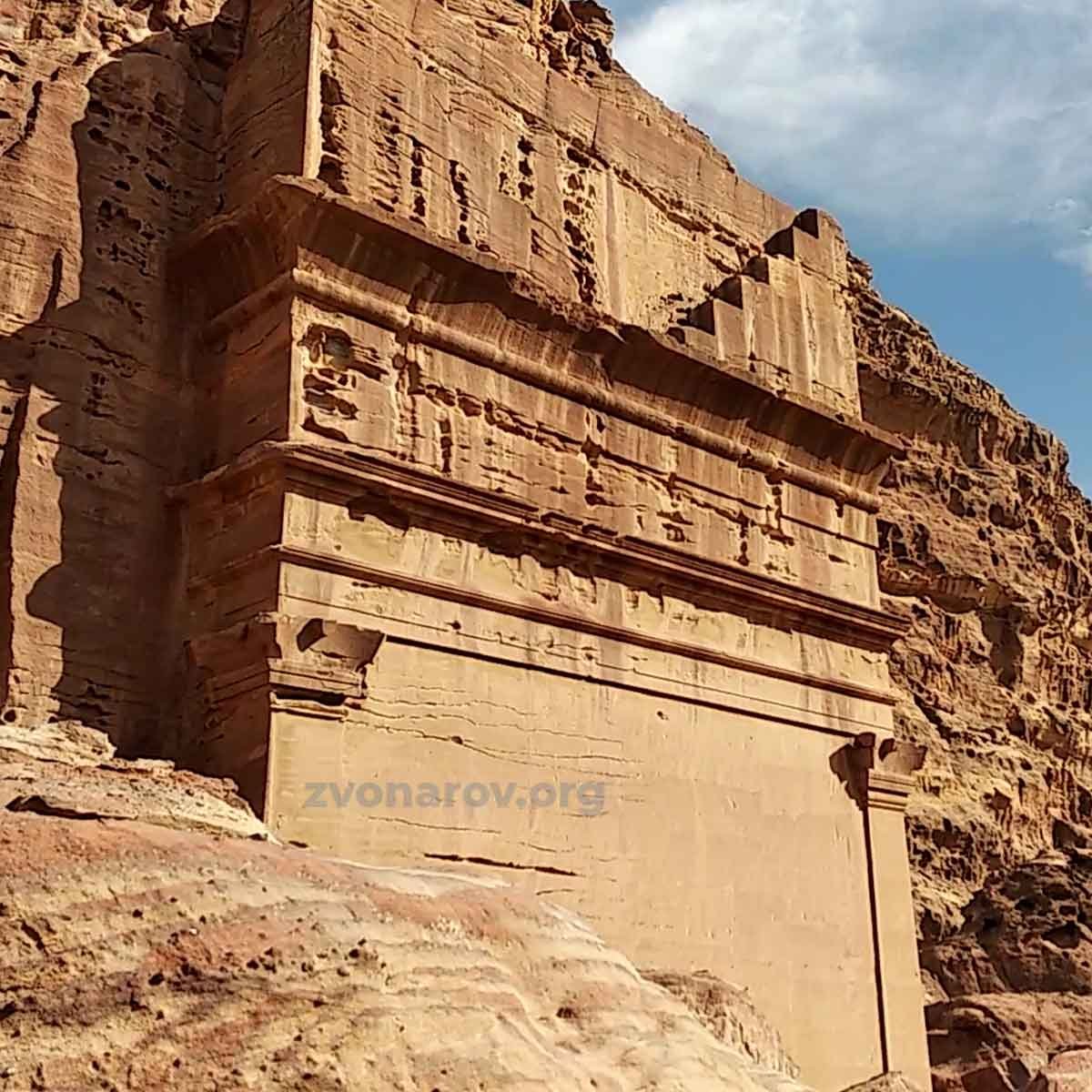
And that is not all. By the nature of the damage, it is visible: the surface seems smeared, as if at some point the stone became soft and malleable, possibly from thermal exposure, and then solidified again. These drips and smoothed edges seem to have captured the moment when the hard rock for a second turned into something pliable, and then returned to stony silence.
The Palace Tomb, or Royal Tombs, is one of the largest facade complexes of Petra, carved directly into the rock of the western slope of Mount Al-Hubta. Its dimensions are impressive: about 49 meters wide and 46 meters high. The name “palace” appeared due to its grandeur and architectural style reminiscent of Hellenistic and Roman models.
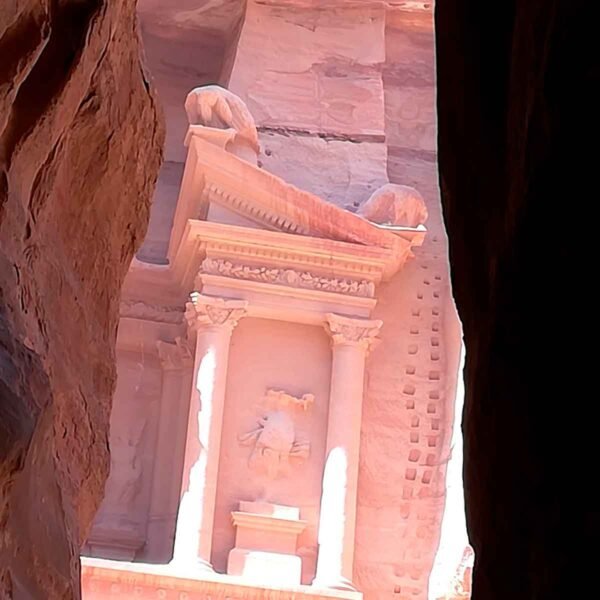
The facade consists of several levels. At the bottom are arched niches and false portals, forming decorative galleries. Above rise massive Corinthian columns supporting the entablature and pediment. The columns, like most decorative details, bear no load — they are carved from a single mass of sandstone. The interior space is much more modest: here are chambers and niches for burials.
The traditional version claims that the complex was created by the Nabataeans in the 1st–2nd centuries AD and served as a burial place for the elite or rulers. However, no exact inscriptions linking the tombs to specific kings have been found. Archaeologists suggest that part of the structures could have been not only tombs but also memorial halls where ritual feasts and ceremonies in honor of ancestors took place.
The style of the facade demonstrates a vivid combination of local traditions with Greco-Roman influence. The Nabataeans, enriched by controlling trade routes, turned Petra into a prosperous capital. After the kingdom was incorporated into the Roman Empire in 106 AD, the city continued to develop, but the earthquake of 363 inflicted serious damage.
Today, the Palace Tomb remains a symbol of the ambitions and craftsmanship of ancient builders. It is a monument that combines the grandeur of architecture with the mystery of the missing answers about its true creators and purpose.

There are no comments yet.