Temple Mount Jerusalem

Temple Mount Jerusalem is a sacred place located in the heart of Israel. This monumental complex fascinates with its scale and unique architectural features, preserved through centuries. The temple mount israel stands as a center of spiritual significance, while the temple mount secrets add a sense of mystery to its ancient heritage. The temple mount jerusalem, often called the temple mount of israel, continues to attract visitors worldwide.

Category:
Overview

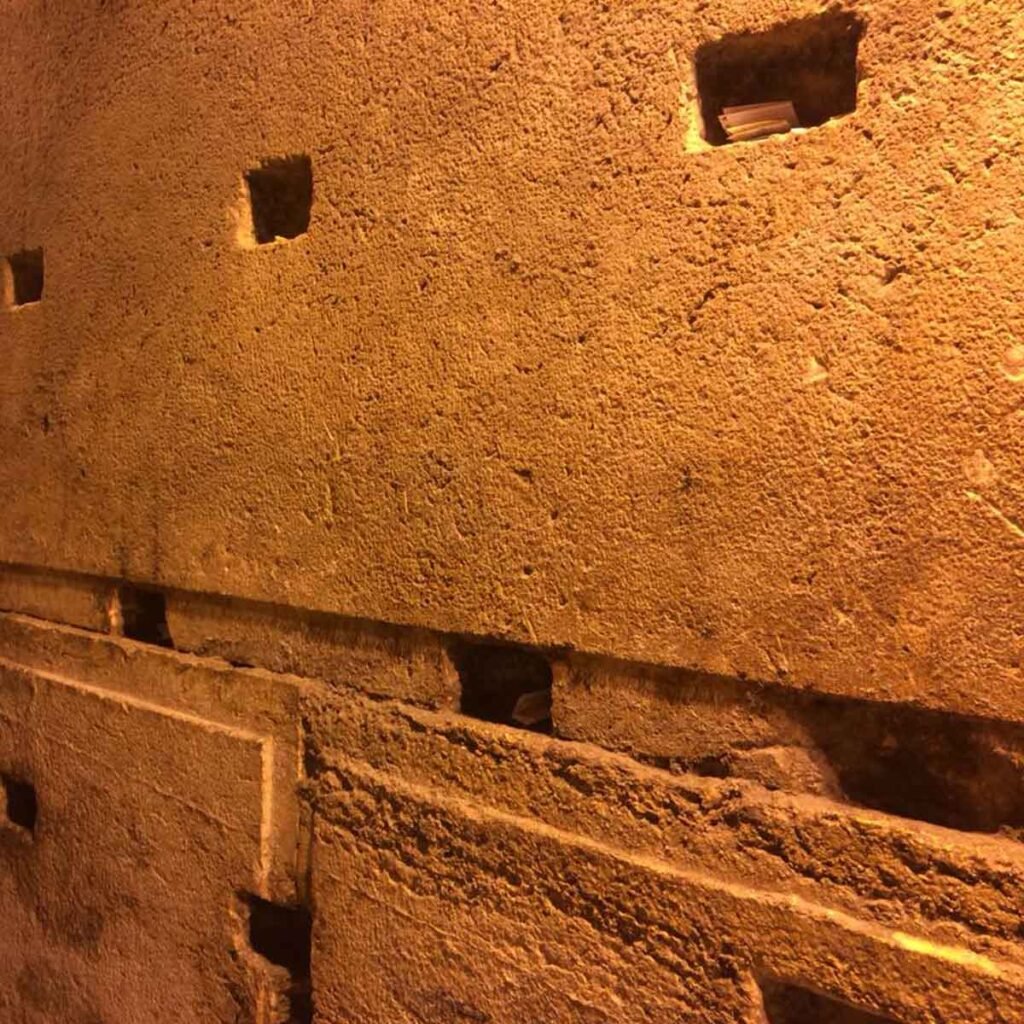
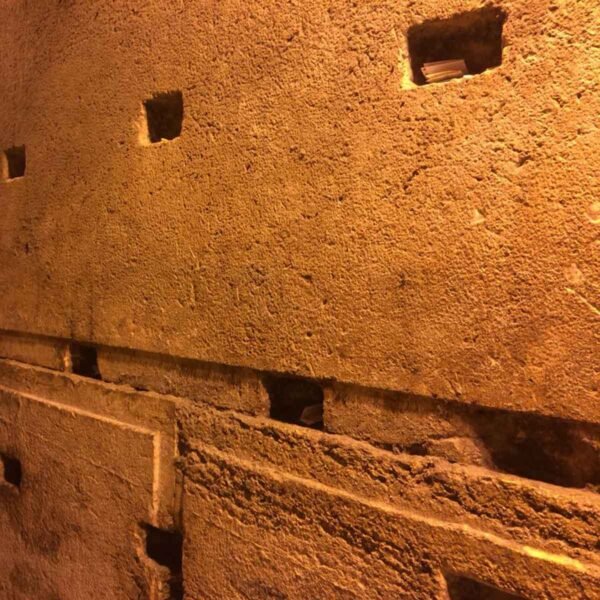
In this publication, we explore the territory of the Temple Mount in Jerusalem. The first thing to pay attention to is the colossal megalith built into the masonry of the wall of this complex.

Narrow alley near the Temple Mount wall

I filmed it back in 2018 with a simple Chinese phone, so the video quality leaves much to be desired. But despite this, the recording clearly shows the size of the stone.

From the very beginning of the video, I walk along this block, showing its length, width, and height. Try to imagine how much it weighs. Think about how it was cut with such precision, how it was brought here, and how it was raised to a height to be placed in the wall without gaps and without the use of mortar.

Section-of-megalith-wall-jerusalem

This seems impossible if we rely only on the technologies officially attributed to antiquity. People of the past could hardly have moved such giant boulders, let alone built walls out of them that have survived for thousands of years. But most importantly – there are dozens, if not hundreds, of such blocks here.

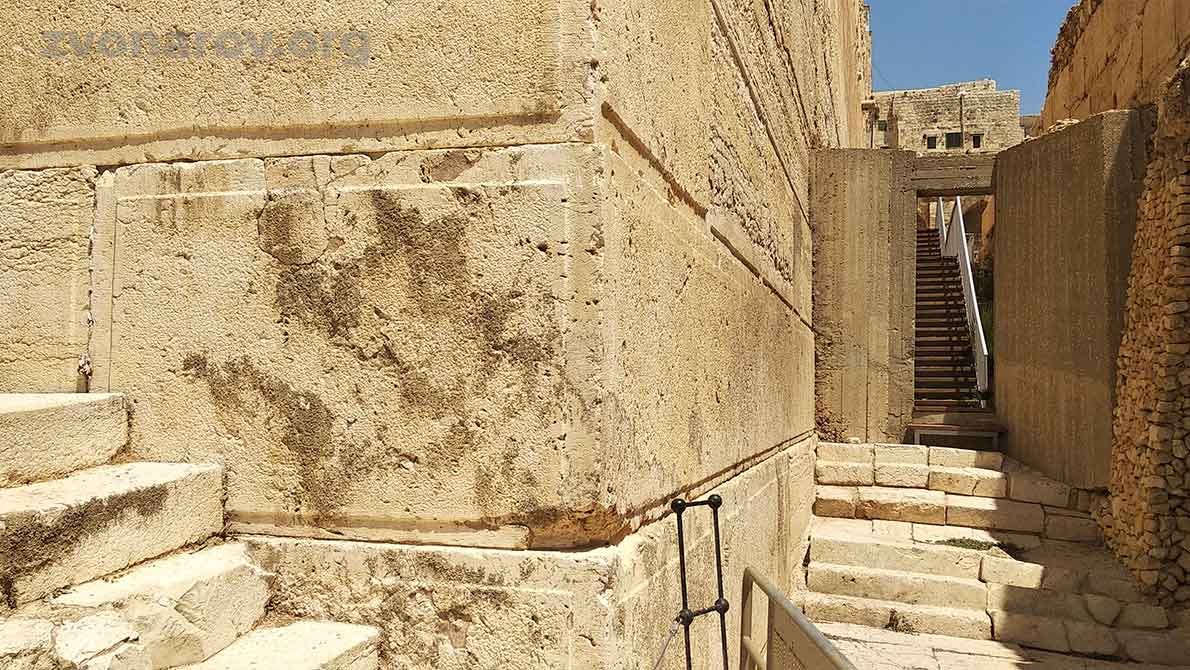
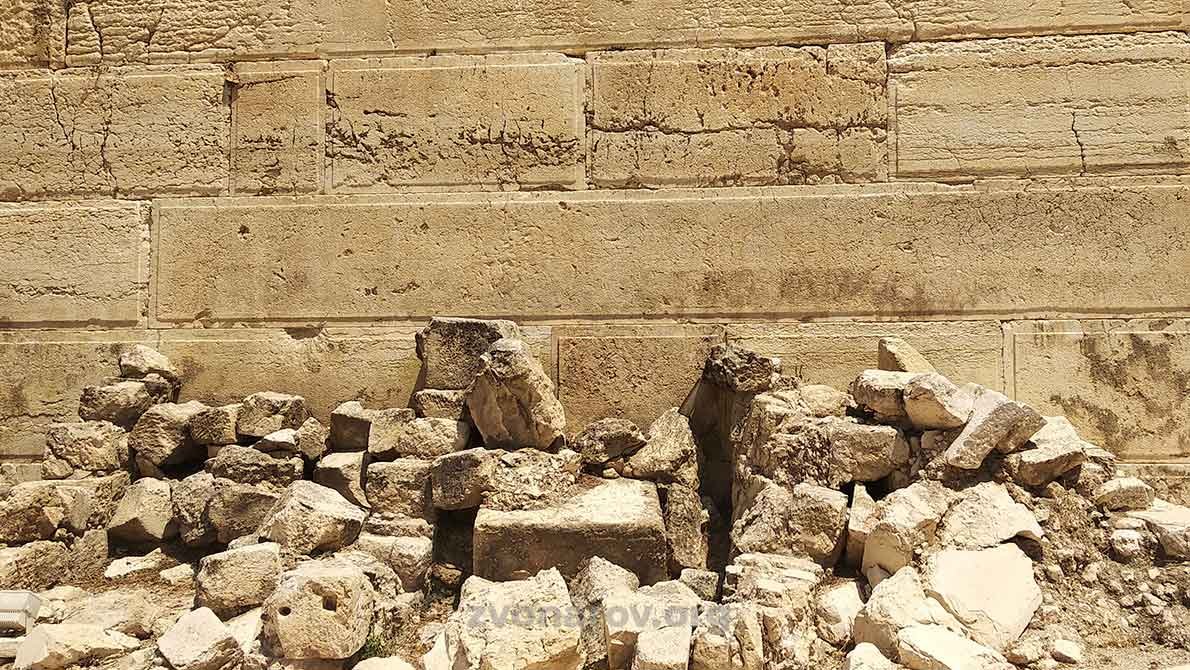
Ancient stones lying at the base of Solomon’s wall

Another interesting point is that a significant part of the blocks still lies at the foot of the wall. The restorers never raised them back into the masonry, probably because these boulders are too heavy and extremely difficult to set in place without using cement. To fit such blocks and place them tightly at height is almost impossible.

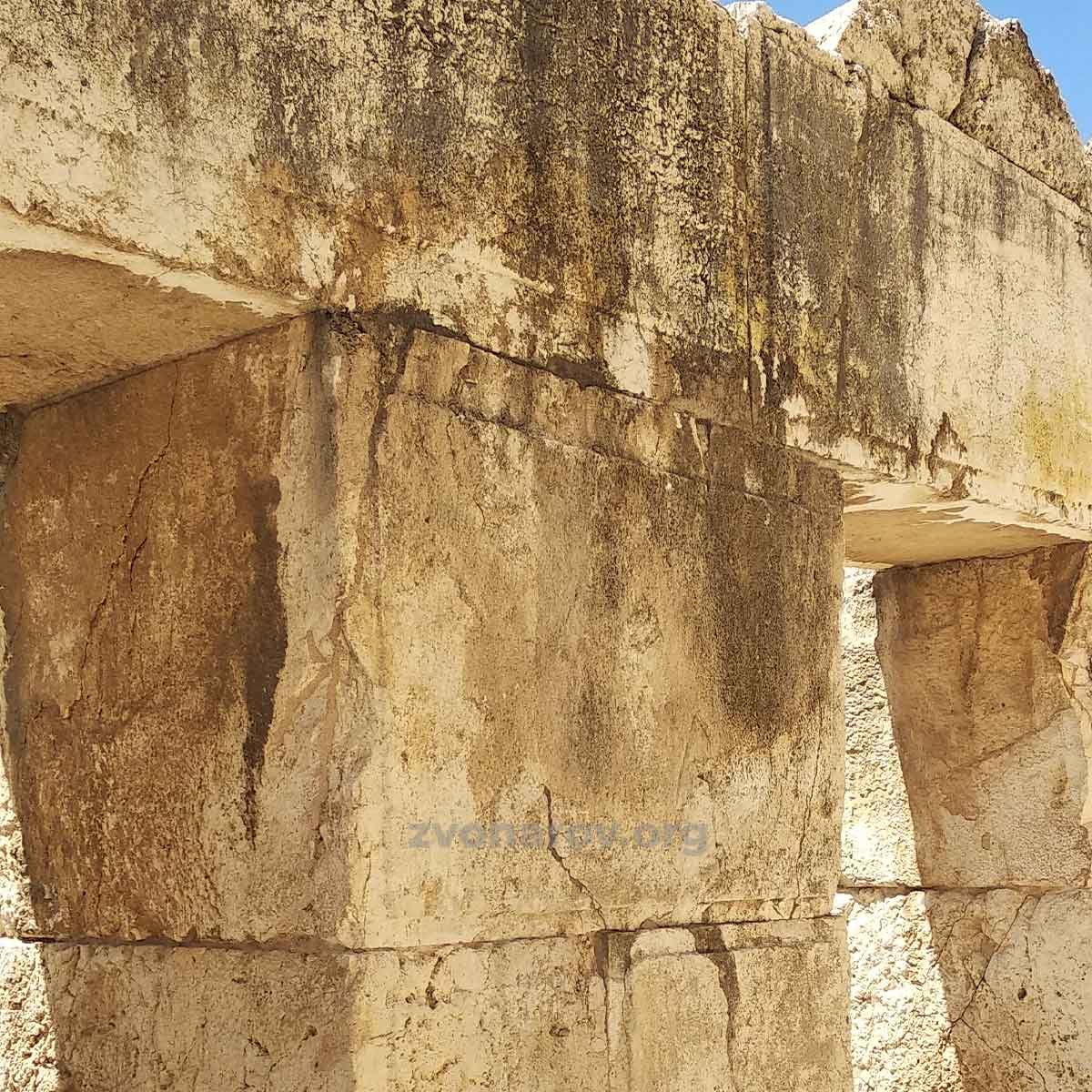
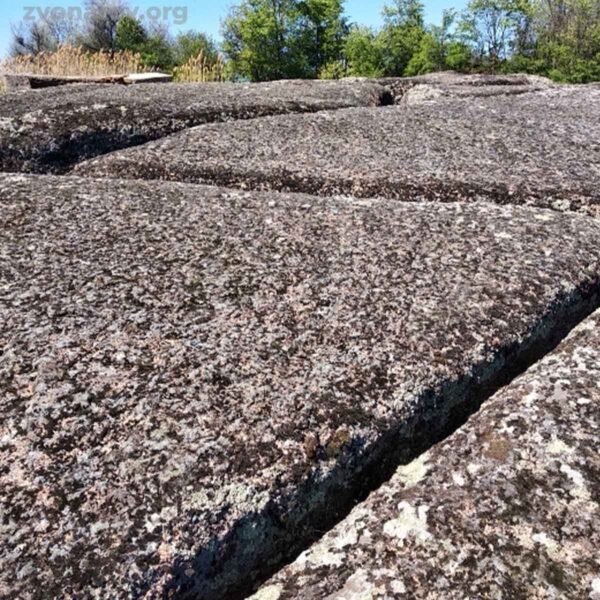
Ancient eroded blocks with cracks

Restoration work was carried out back in the last century, when construction technologies were less advanced than today. Therefore, the original blocks of this wall remained lying below, while the missing parts were filled with ordinary sandstone stones fixed with cement.

Ancient stone construction in Jerusalem

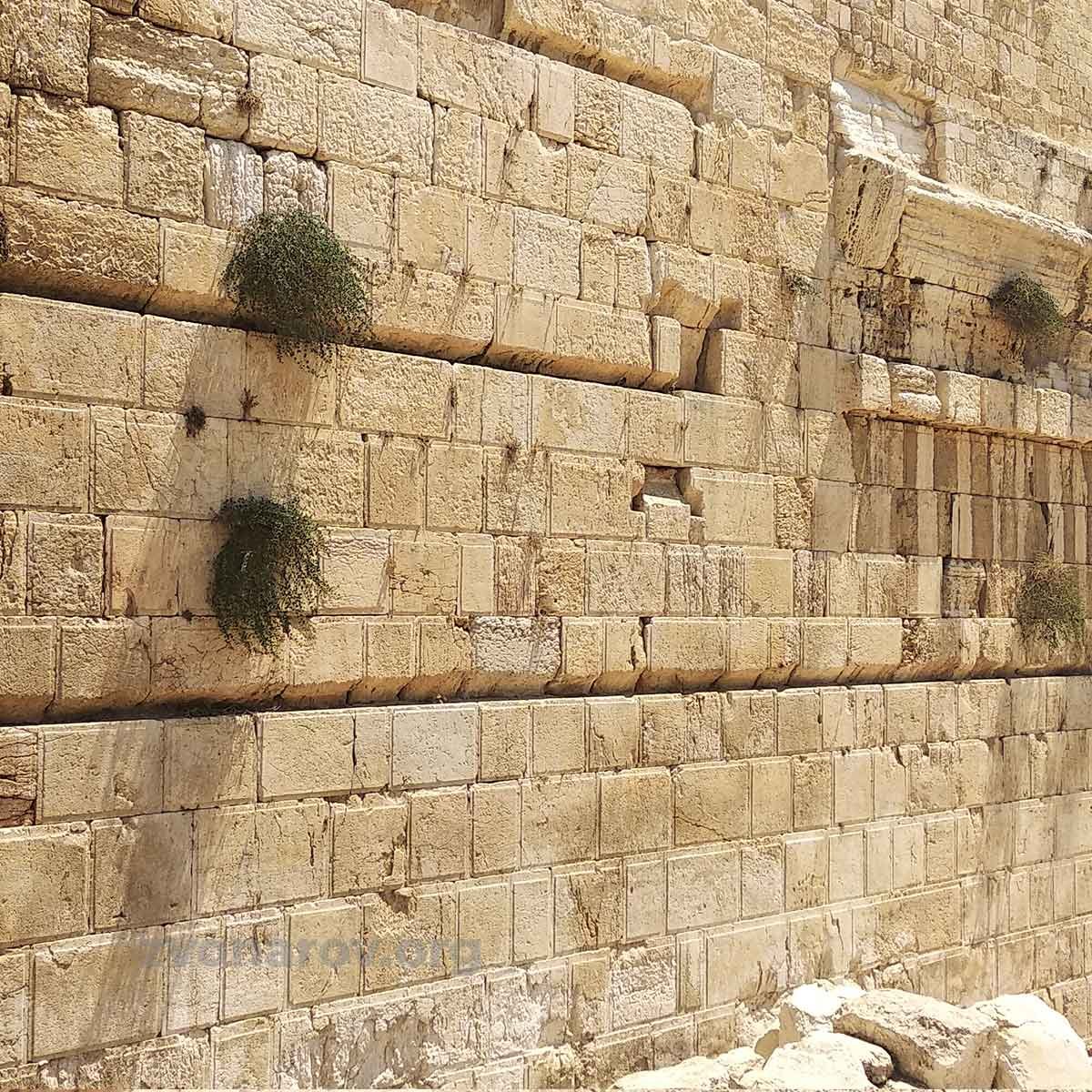
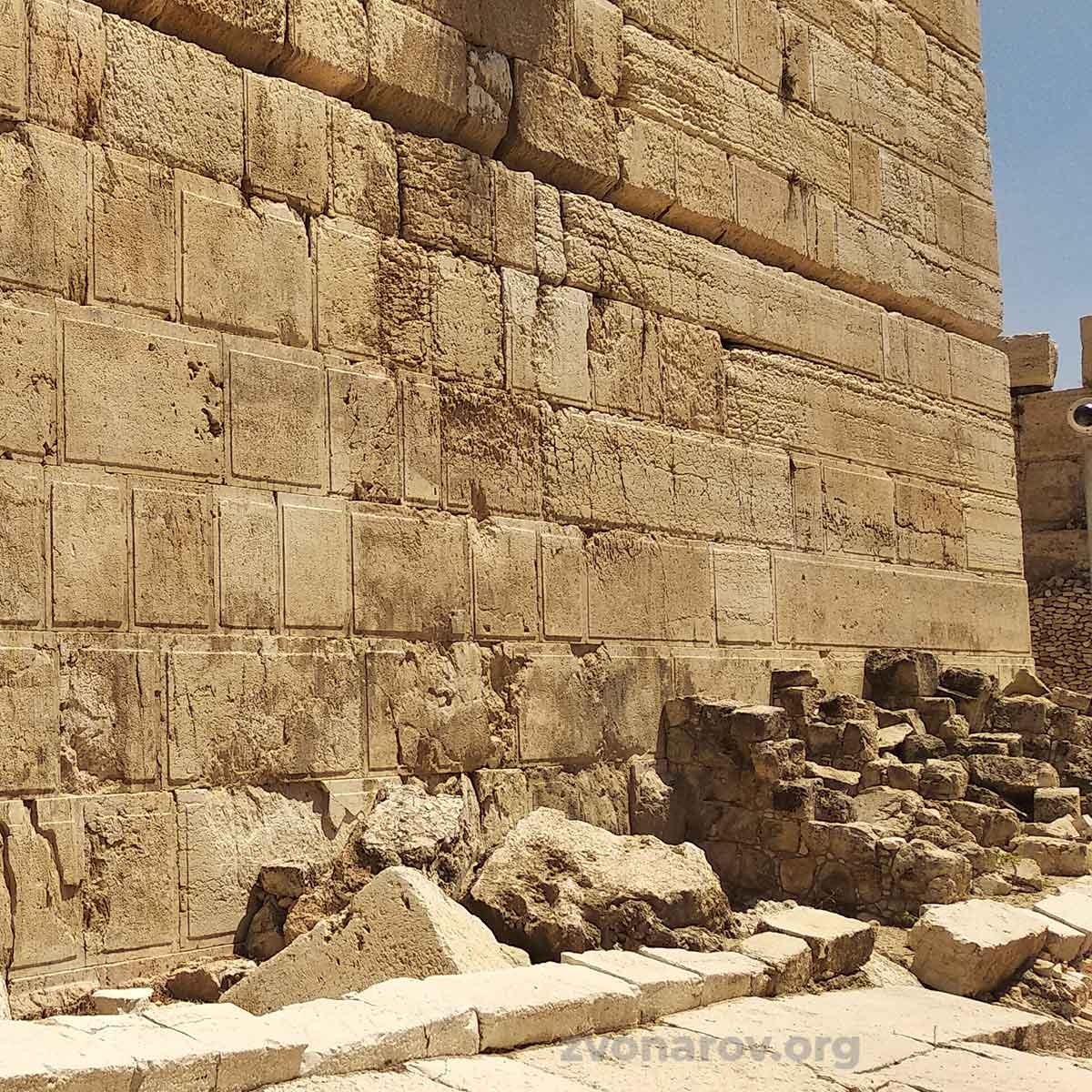
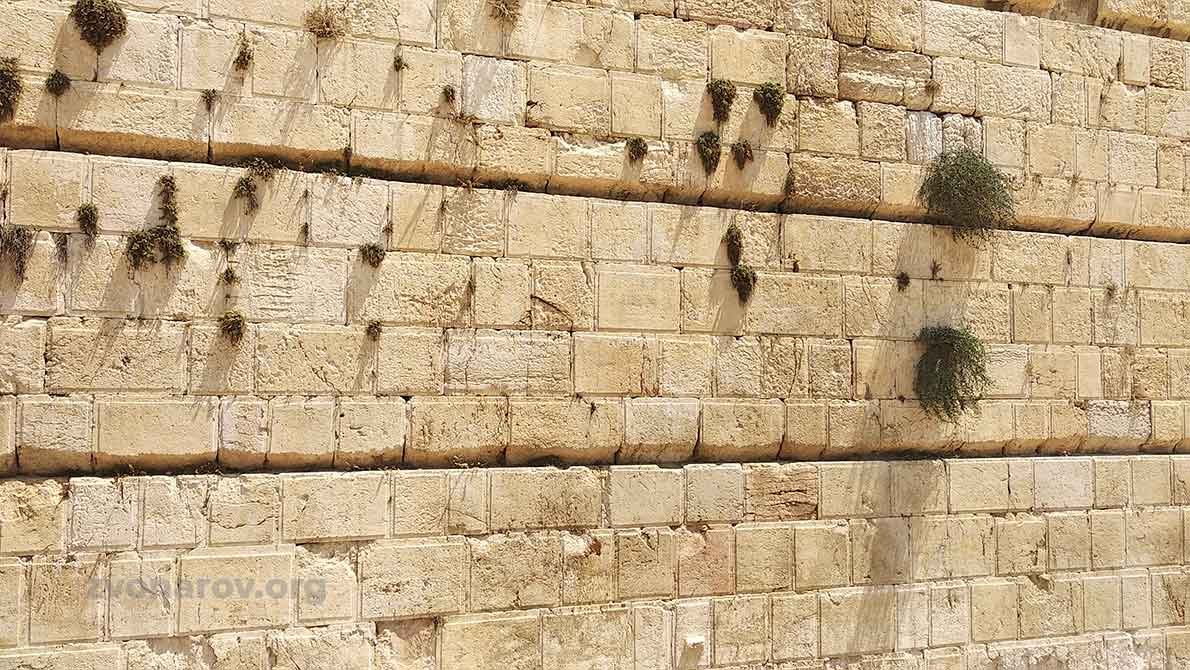
Let’s move on. What do we see here? In front of us are the tiers of an ancient wall built from massive blocks of medium size. However, at the very foundation, even deeper, there are megaliths of truly gigantic dimensions, which are not visible now, but I have shown them separately in another publication.

Huge stone blocks of Solomon’s temple complex

It is especially curious that in the upper part modern restoration is noticeable. And against its background, the ancient technology looks far more advanced. It would seem that today we should build better, but instead we use small blocks bonded with cement. Below we see masonry made of large stone boulders, perfectly fitted to each other without mortar. Each block has a processed chamfer, and the colossal amount of work done in their installation is astonishing.

Visitor near giant blocks of Temple Mount
What is the Temple Mount and why is it significant?
The Temple Mount (Al-Haram al-Sharif) is a sacred plateau in Jerusalem that holds profound meaning for Judaism, Islam, and Christianity. It contains the Dome of the Rock and the Al-Aqsa Mosque and is bordered by massive retaining walls, including the Western Wall. In temple mount history, the platform was enlarged in the Second Temple period and has remained a focal point of worship, pilgrimage, and scholarship for centuries.
Where is the site located and who manages access?
The site stands within the Old City of Jerusalem, Israel, and daily access is coordinated between Israeli security authorities and the Jerusalem Islamic Waqf. Non-Muslim visits typically follow designated entry windows, while Muslim prayer follows its own schedule and customs. For travelers researching temple mount israel, it’s best to check current guidance before a visit, as procedures and hours may change due to holidays or security updates.
Can non-Muslims visit, and are there rules to know in advance?
Yes, non-Muslims can usually enter during limited visiting hours via specific gates and must follow on-site instructions from authorities and Waqf staff. Prayer by non-Muslims is restricted under the long-standing “status quo,” and security screening is standard. Dress modestly, avoid bringing religious items for public display, and allow extra time for queues; these simple steps help ensure a smooth experience for everyone on the Mount. Policies can shift seasonally or during major religious periods, so verify the latest guidance shortly before your visit.
Where can I find high-quality visuals for research or media use?
For curated historical and contemporary views, look for institutional photo libraries, museum archives, and reputable travel or academic collections that catalogue temple mount jerusalem images. Many collections include aerials, architectural details, and maps that are helpful for researchers and educators. Always review licensing terms (public domain, Creative Commons, or editorial use) before publishing or redistributing any image set.
Is photography allowed on the Mount?
Casual photography is commonly permitted in open areas, but restrictions may apply near security checkpoints or within specific prayer spaces. If you plan to shoot a professional temple mount photo, especially with tripods or commercial gear, request guidance on permits and where filming is allowed. Be respectful of worshippers and avoid intrusive angles; when in doubt, ask a steward or officer before taking pictures.
What structures and layers can I observe around and beneath the platform?
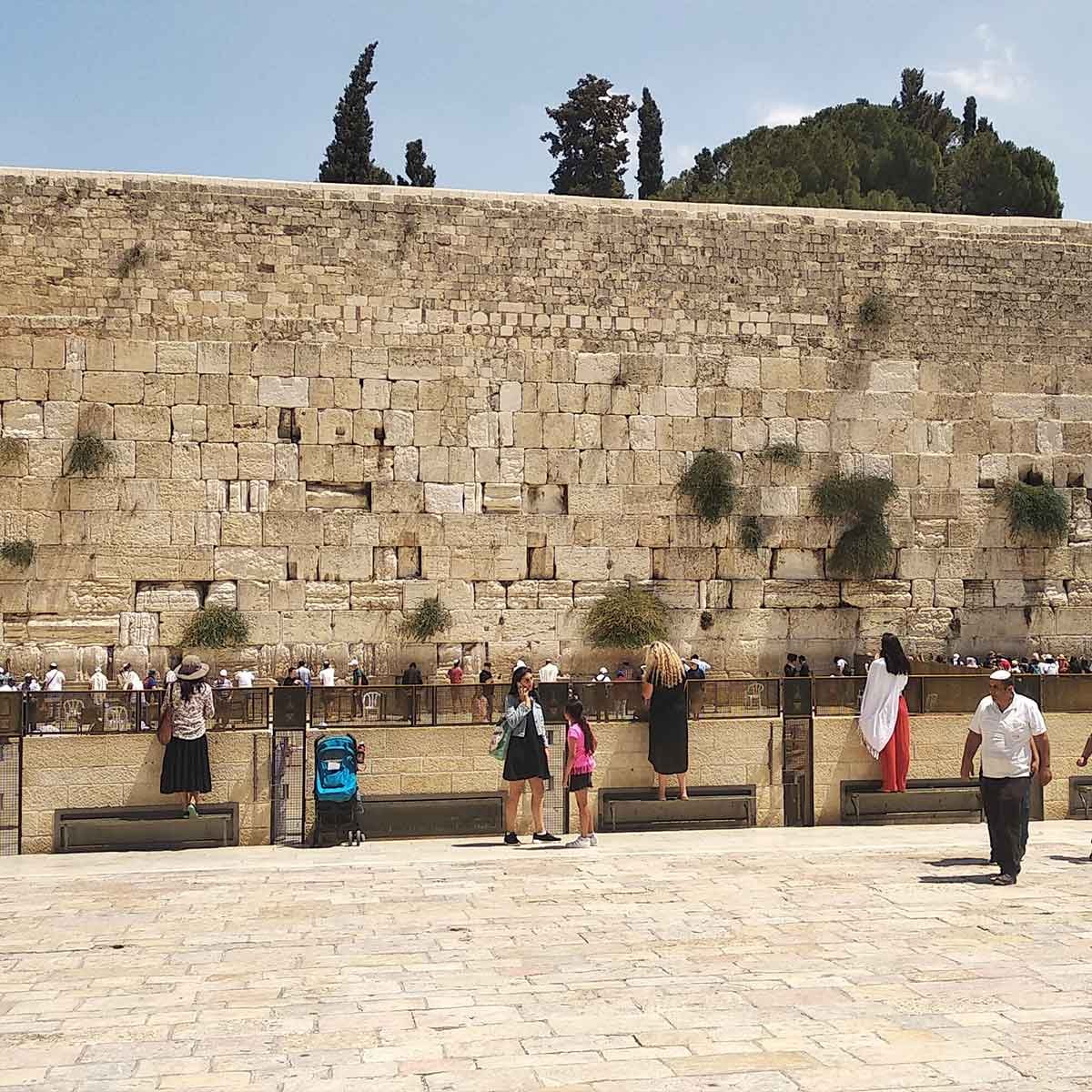
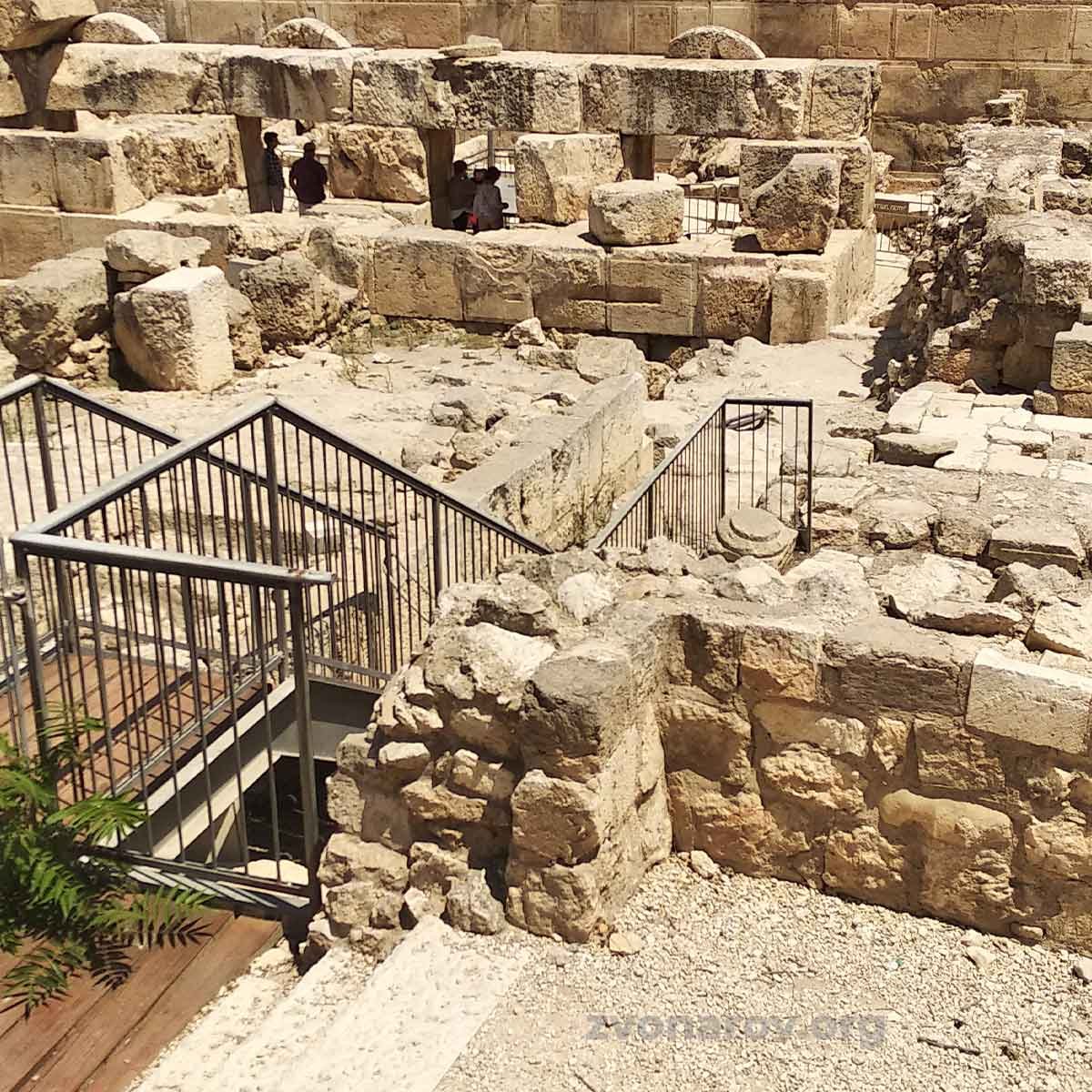
Visitors can see monumental retaining walls that frame the platform; the best-known exposed section is the Western Wall, part of the wider perimeter supporting the plaza above. Nearby archaeological areas reveal streets, arches, and building phases that illustrate how the esplanade was engineered and expanded. Guided tours often explain these layers in context, connecting architectural features with religious practice and urban history.
Comments

There are no comments yet.
Be the first to comment “Temple Mount Jerusalem”

Your email address will not be published. Required fields are marked *