Temple Roof of Hathor

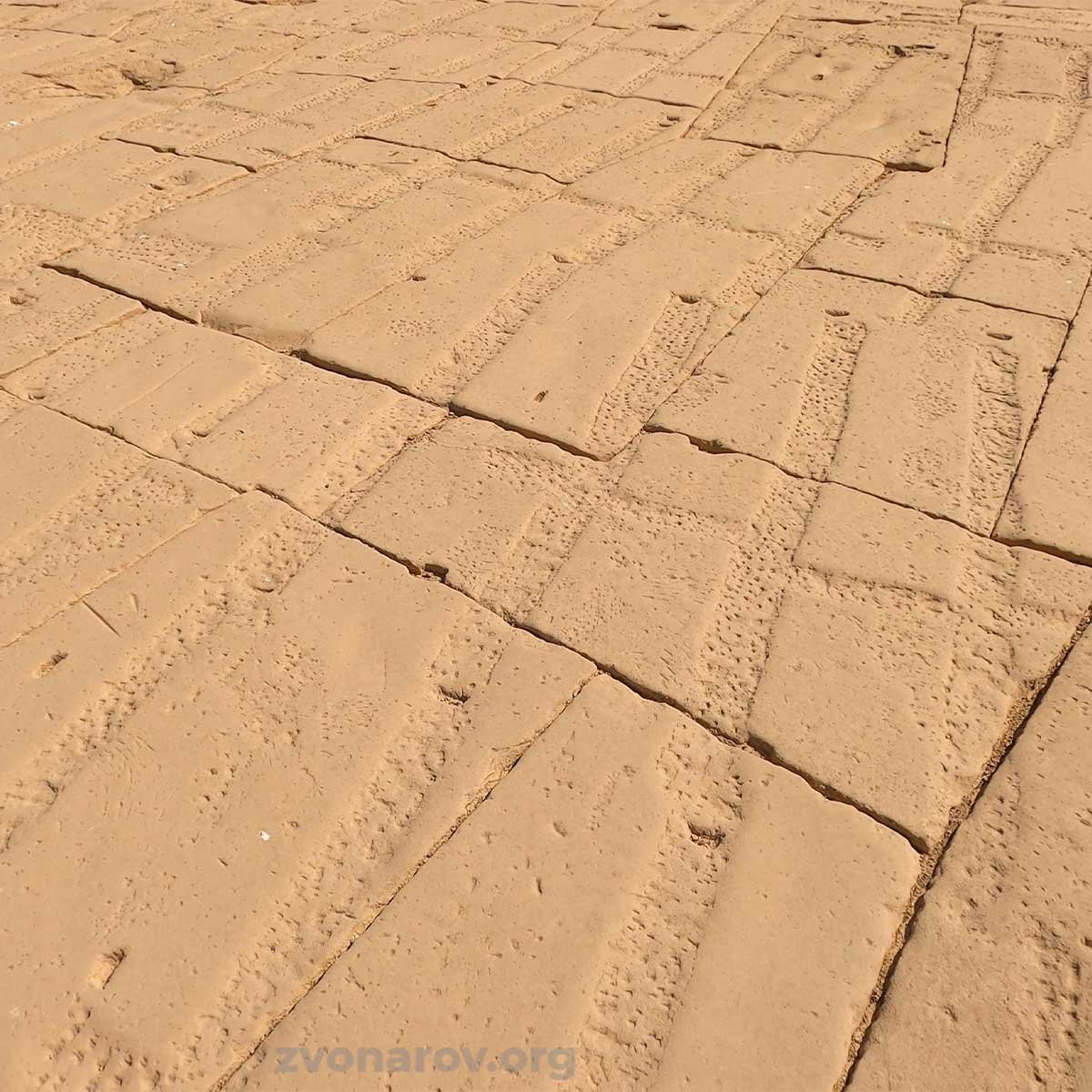
The roof of the Temple of the Goddess Hathor in Dendera hides one of Egypt’s great mysteries. Its surface bears strange lines and marks pressed into massive stone blocks — traces that no known tool or process can explain. Each block is uniquely shaped and fitted with impossible precision. Visitors and researchers alike continue to wonder what ancient force could have left such enigmatic patterns atop this ancient temple.
Categories: ,
Overview

Another enigma of Egyptian civilization is the Temple of the Goddess Hathor in Dendera. In this article, however, I want to draw attention to one specific detail of this temple — its roof. Here, two unique aspects come together that do not fit in any way into the official version of history.

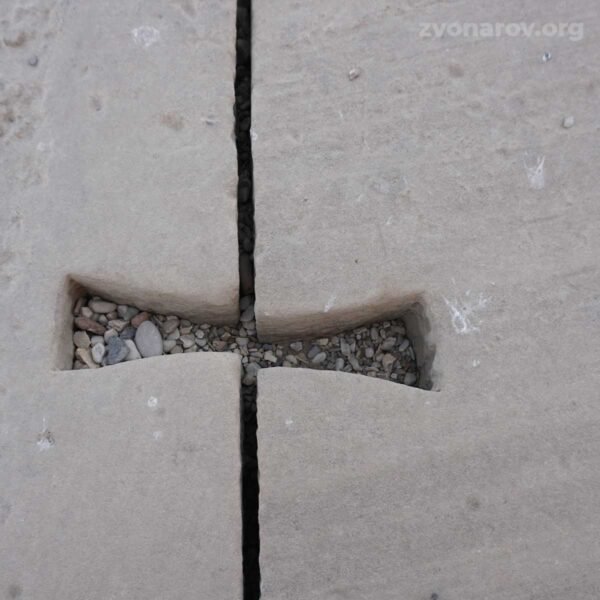
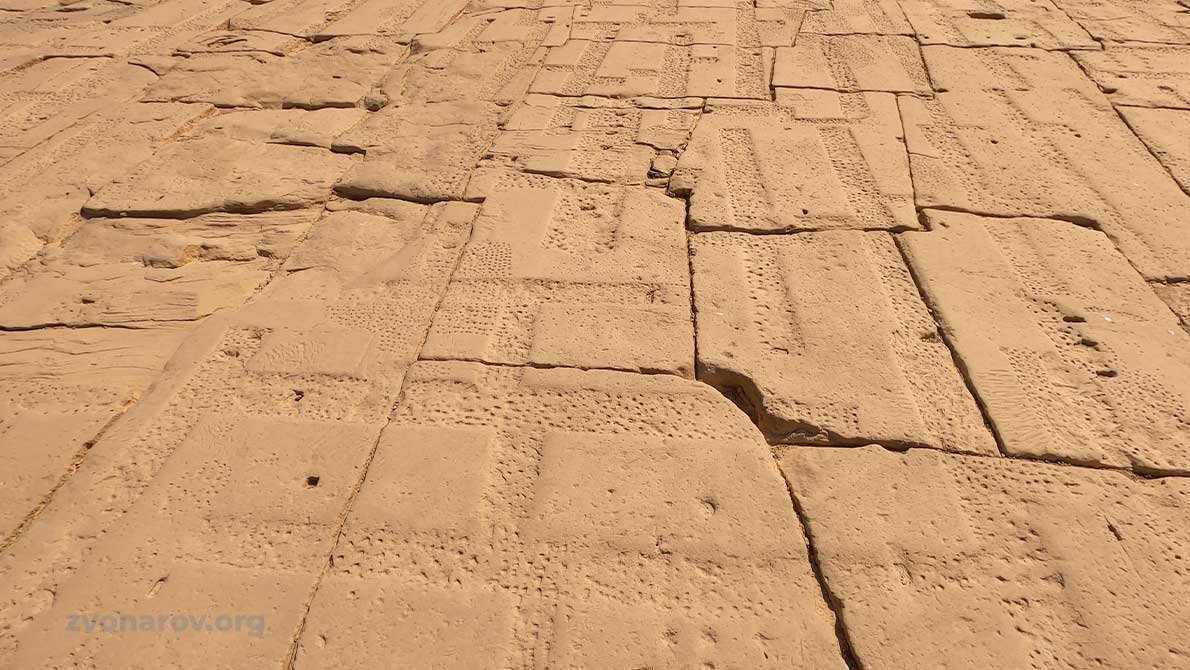
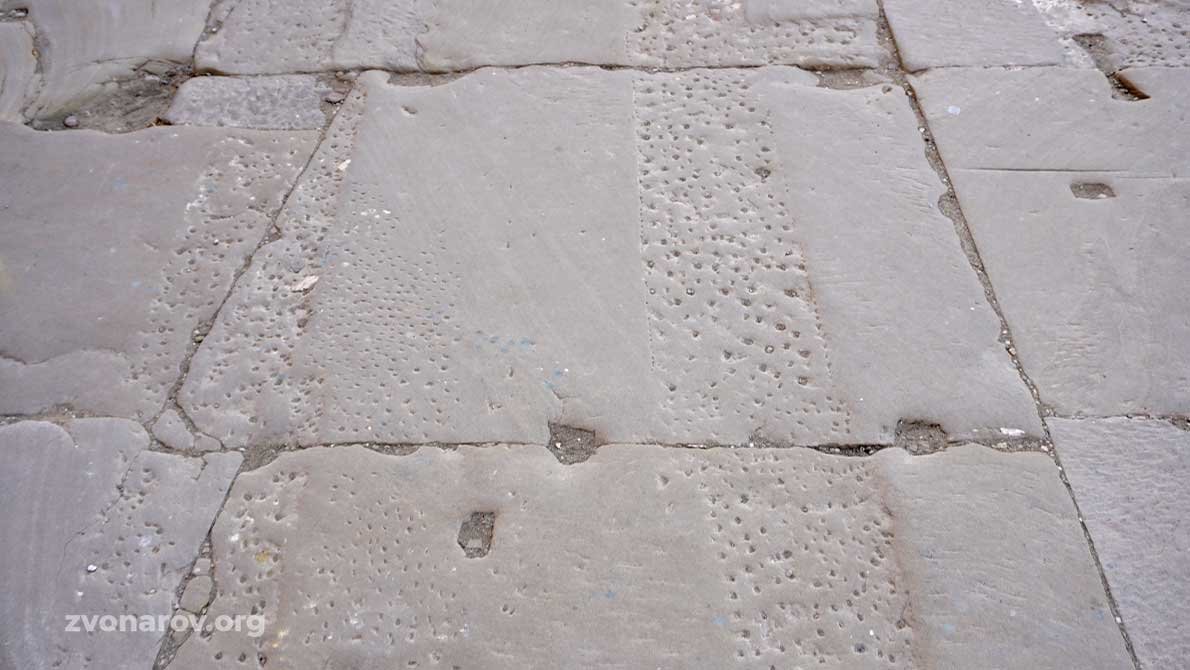
The first and most striking feature is the traces left on the roof. Across its entire surface, we can observe lines with inclusions, as if pressed into the stone blocks. How these lines appeared — no one knows. What they were for, or how they were used — remains a mystery. There are many different versions. My own version is that these are traces of some kind of side effect. I believe the lines could have been left by equipment once placed on this roof. It somehow interacted with the stone blocks, literally imprinting marks into them. Judging by their shape, it seems they were pressed in at the moment when the stone was still plastic and malleable.

Precise junction between limestone slabs on the roof of Dendera Temple

If we imagine that the stone could melt and become soft like clay, and that a heavy structure with such supports was placed on it, it could indeed have left such imprints. But modern science knows nothing of this: when stone is heated, it cracks. Even today, it’s impossible to leave such marks in this quantity unless done deliberately. But if done deliberately — why? It would look absurd and pointless. I doubt anyone would intentionally damage freshly laid blocks with such chaotic traces for no reason. They carry no symbolic or structural meaning, are arranged haphazardly, and intersect at various angles. Yet it is clear that these marks were made after the blocks were already laid. I think you noticed that too. So, in my opinion, this is the byproduct of some process that took place here in deep antiquity.

View of ancient limestone staircase inside the Temple of Hathor

Similar traces can be seen around the temple — more precisely, behind it, on the platform where the metal clamps were once located (which I described in a separate article). The metal is gone, but the holes — the cavities left by these clamps — remain. They were used to fasten the stone blocks together. In photographs, these openings are clearly visible — the same kind of traces as on the temple roof.

Architectural side wall of the Dendera Hathor Temple complex

The second important detail is that the roof itself is made of large stone blocks of completely different shapes. In the video, this is especially noticeable: every block is different. Have you ever tried to build with stones of irregular shapes, fitting them together without mortar? It’s an extremely laborious and impractical process. If all the blocks were at least rectangular, they would easily fit together. But here, we see the opposite: the blocks are all different, joined at various angles — yet perfectly matched.

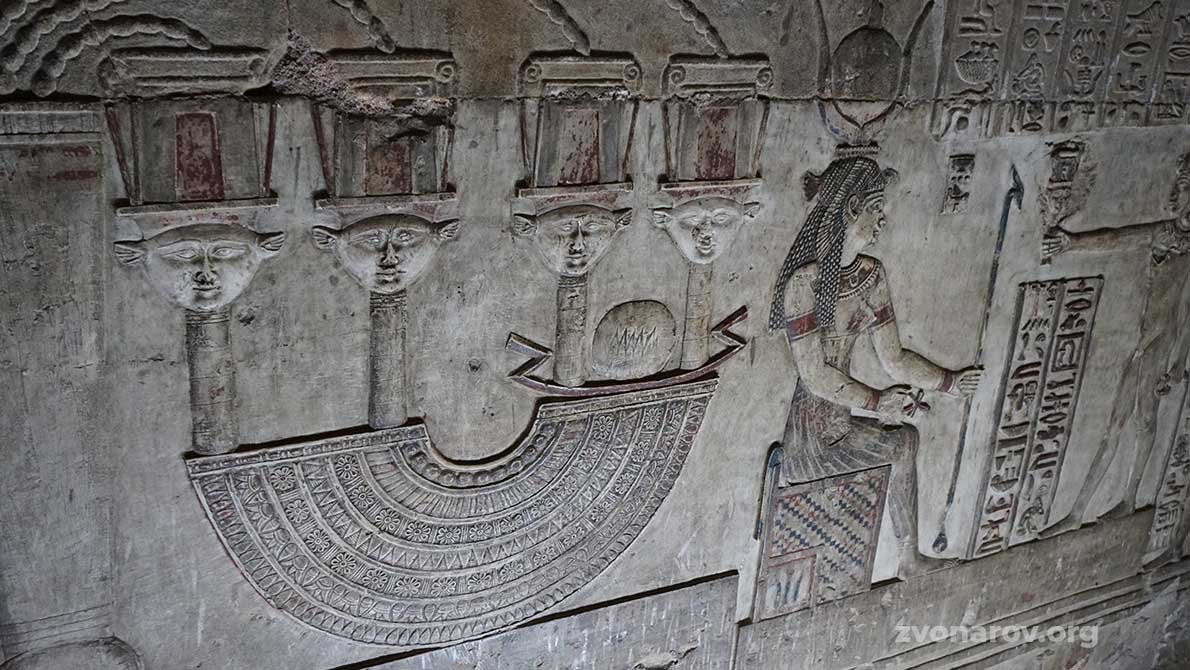
Ancient Egyptian wall relief depicting the Goddess Hathor

The mysteries of Egypt are so numerous that they defy imagination. All the complexes built along the Nile — the Giza Plateau, the ancient temples, — are truly unique structures. In each one, there are countless traces that defy explanation. Walking through these temples, descending into crypts, examining the surviving surfaces, you get the feeling of being aboard an alien ship. This is not our technology. We do not build like this — and we do not even know how to build like this. When, why, and with what tools it was made — remains unknown.

Colorful hieroglyphic ceiling in Dendera’s Temple of Hathor

One thing is certain: in later times, all these structures were plundered to their foundations. Even the metal clamps that held the stone blocks together were taken away. Everything that had any value — gold, metal, ornaments — was stolen. Only what could not be carried away has survived. And even that — partly damaged, and often completely destroyed.

Research continues. On this site, you will find many materials that I have personally studied — all of them intriguing and inconsistent with the official history. Let’s explore them together! Leave your questions in the comments, share your opinions, and stay connected.

Where is the Temple of Hathor and how do you get there?
The Temple of the Goddess Hathor is in Dendera, Qena Governorate, Egypt, on the east bank of the Nile. Most visitors reach it from Luxor by road, typically as a dedicated half-day trip or combined with nearby sites. On site, the Dendera Temple Complex is compact enough to explore on foot, including its hypostyle halls, crypts, and the roof areas when access is permitted.
What is special about the Dendera temple roof?
The Dendera temple roof features unusual surface marks and lines with inclusions that appear impressed into the stone blocks. Their purpose remains unclear and fuels the “dendera temple mystery” discussion. In addition, the roof is assembled from large blocks of varying, irregular shapes that fit together precisely—an uncommon and labor-intensive approach for a temple roof in any era.
Do the lines and impressions on the roof have an official explanation?
There is no single, universally accepted explanation. Observers note linear traces that intersect at different angles and do not follow decorative or structural logic. Some interpret them as incidental by-products of ancient activity rather than deliberate ornament. In the article, the hypothesis is that equipment once placed on the temple roof interacted with the stone when it was still plastic, leaving the imprints we see today.
Are similar traces visible elsewhere in the Dendera Temple Complex?
Comparable marks can be observed behind the main temple on the platform where metal clamps once joined blocks. The metal is gone, but the cavities remain, offering a visual parallel to what appears on the roof. For researchers assembling “dendera temple complex photos,” capturing these clamp sockets alongside the roof surface details helps document patterns across different parts of the complex.
Why are the roof blocks so irregular if rectangular blocks are easier to build with?
At Dendera, many roof blocks are non-rectangular and meet at varied angles, yet they match with high precision. This is unusual because standard rectangular blocks typically simplify transport, placement, and alignment. The meticulous joining seen here intensifies the “temple roof” puzzle and raises questions about methods and objectives that are not fully understood today.
What else should I look for inside the Temple of the Goddess Hathor?
Beyond the temple of Hathor ceiling with its vivid iconography, visitors focus on the famed Dendera ceiling zones and the richly carved columns with Hathor capitals. Crypts, chapels, and corridors retain intricate reliefs worth close examination. If you are assembling “dendera temple complex photos,” plan time for low-light interior photography and detailed close-ups of ceiling sections and column capitals.
Practical tips: roof access, safety, and photographing the Dendera temple roof
Roof access can vary; follow current site guidance and local staff instructions. Surfaces may be uneven, so wear supportive shoes and be cautious near edges. For the best “dendera temple roof” and “temple of Hathor ceiling” shots, arrive early or late for softer light, and plan both wide frames and textured close-ups to capture the roof marks and the contrast between irregular blocks and precise joints.
Comments

There are no comments yet.

Be the first to comment “Temple Roof of Hathor”

Your email address will not be published. Required fields are marked *