Treasury Petra
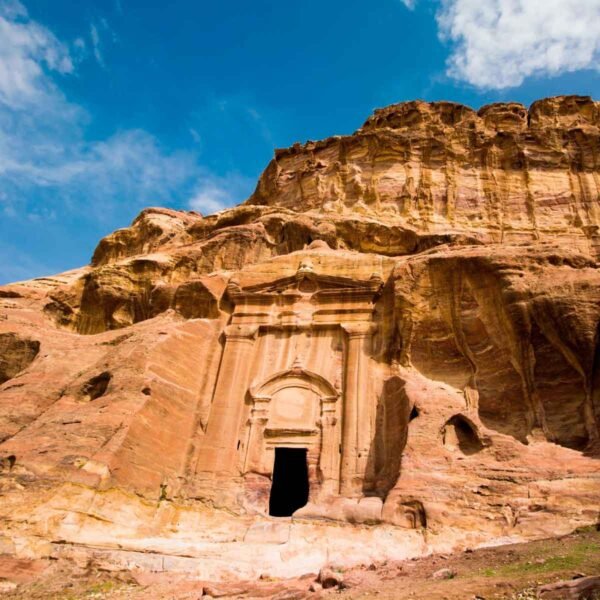
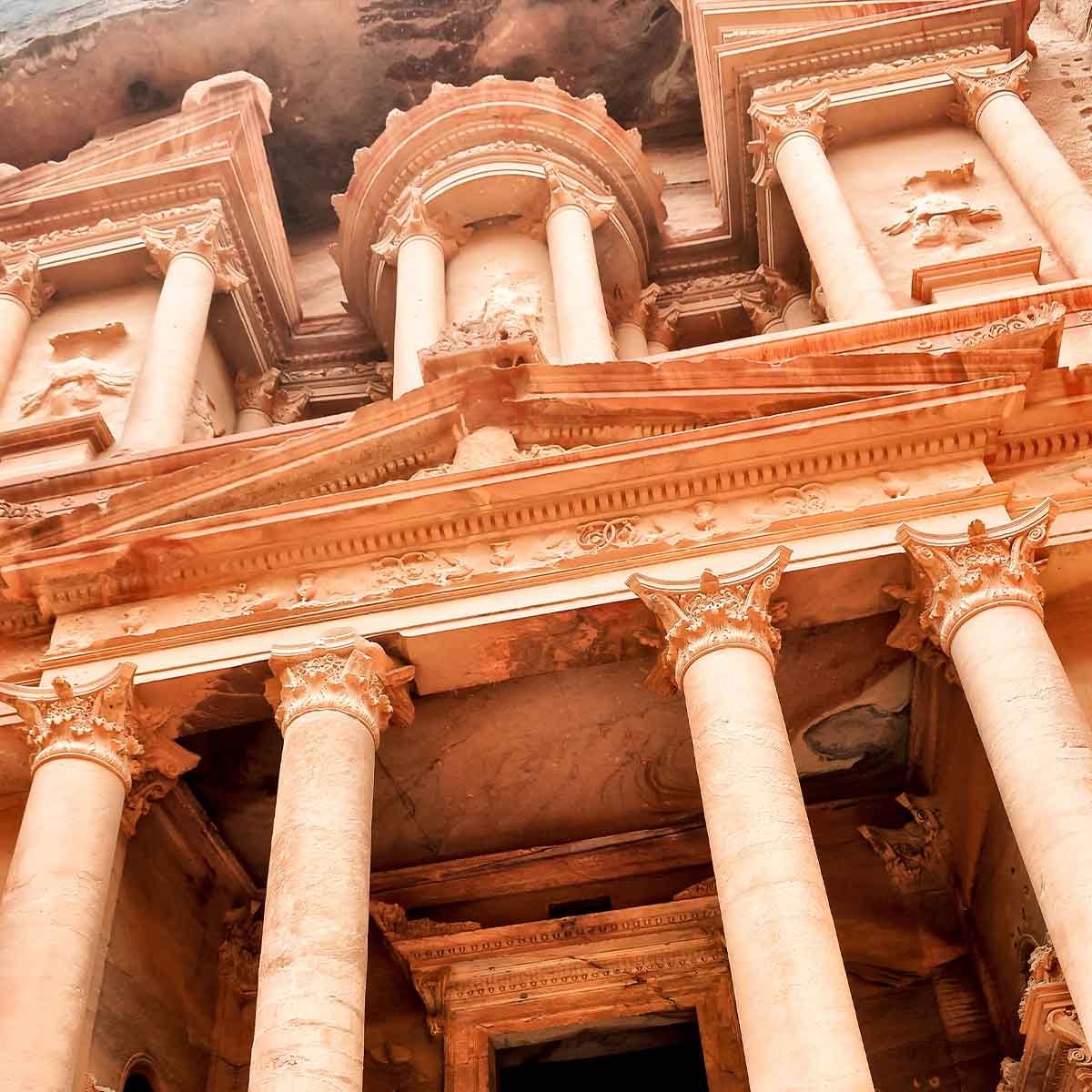
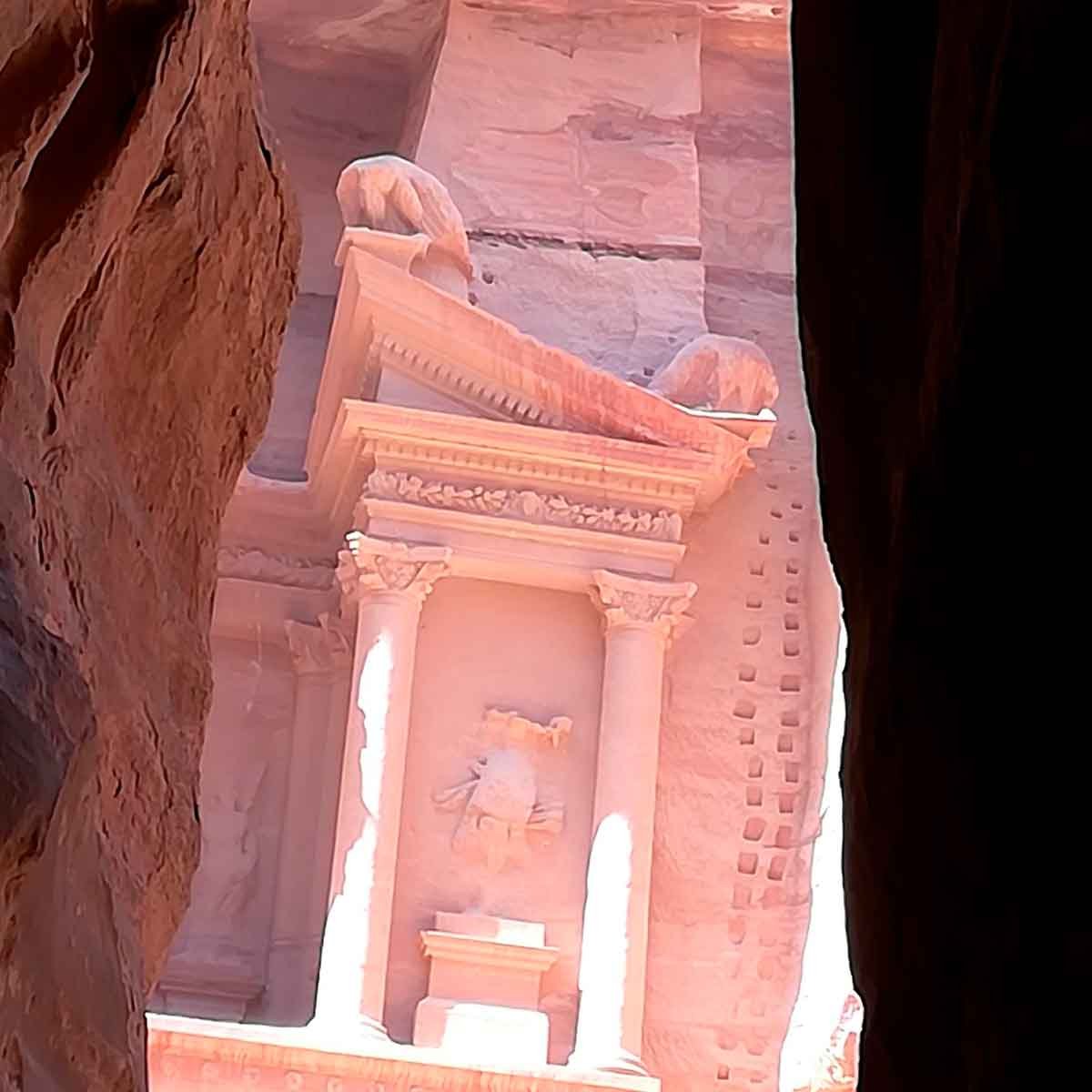
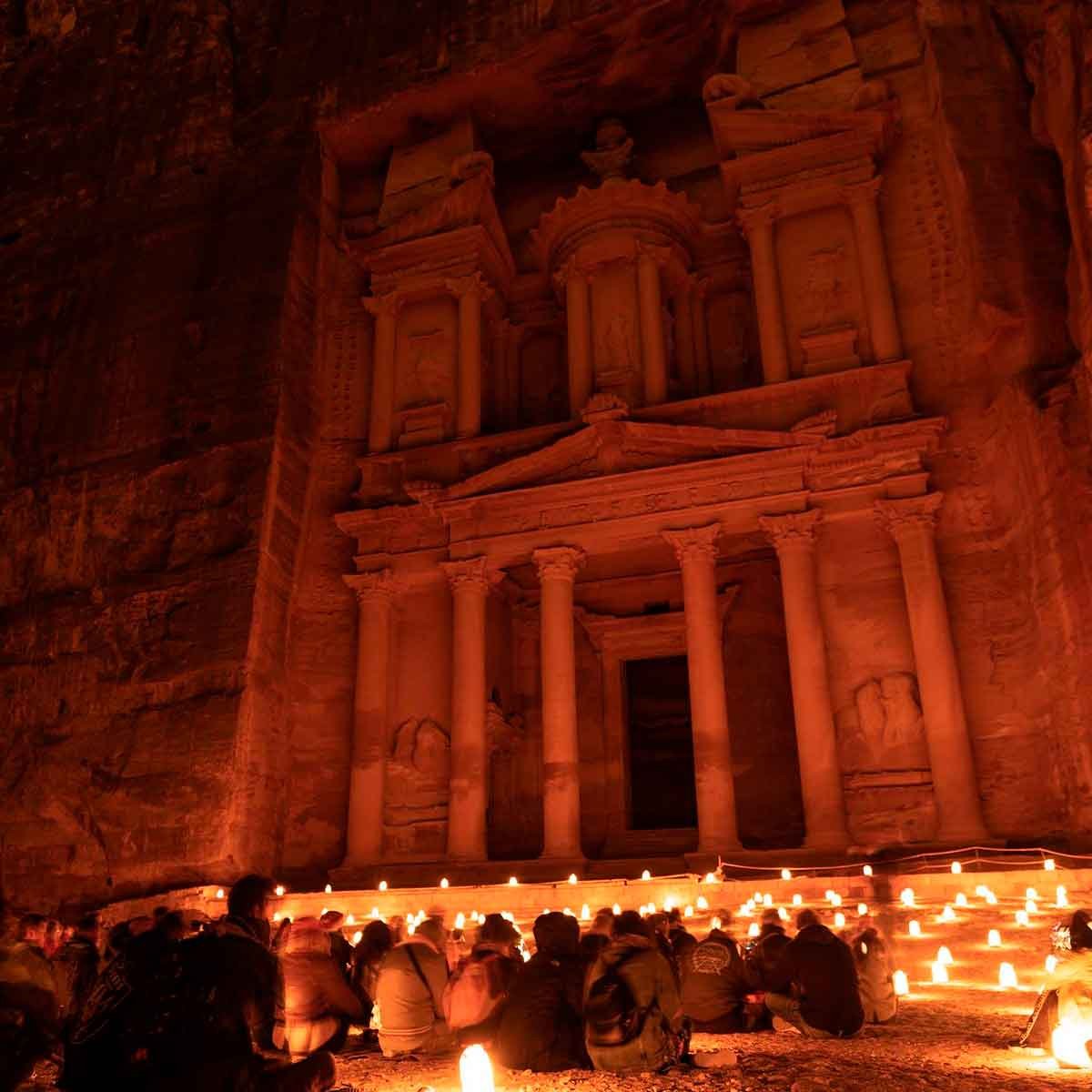
The treasury building in petra stands as the most iconic monument of petra jordan. This grand facade, known as al khazneh treasury petra jordan, attracts travelers with its scale and intricate carvings. Inside, al khazneh petra inside remains mysterious, fueling theories about its purpose as a temple and treasury monument in petra. Its preservation and aura of secrecy make it one of the most fascinating wonders of the ancient world.
Petra in Jordan is the greatest mystery. Once there, it is impossible not to feel shocked by the heritage of an ancient civilization hidden among the rocks. The number of preserved structures is astonishing.
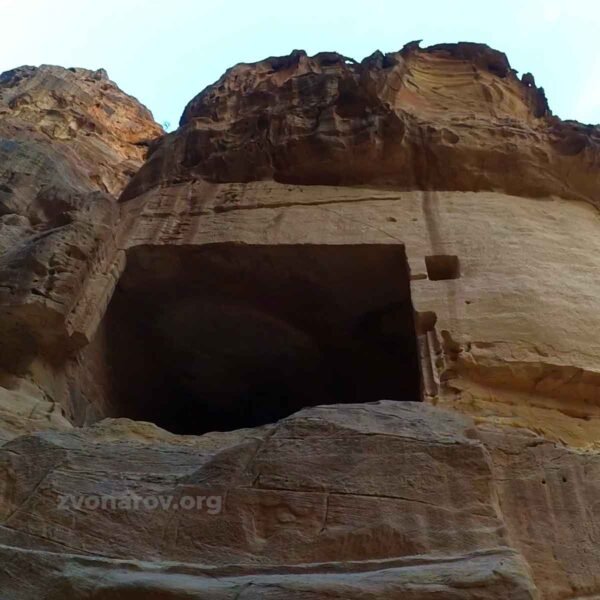
Significant part of the complex is inaccessible. Mysterious underground halls are blocked with grates, descending dozens of meters down, but tourists are not allowed to enter. Perhaps the key to the mystery lies there. However, the authorities are not in a hurry to provide access, but rather the opposite — they divert attention from these underground chambers. Similar structures can be found not only in Petra but also in India, Egypt, Mexico, and other regions where traces of highly developed ancient civilizations have been preserved.
The main problem lies in the official version of history: it is believed that the complex was built by the Nabataeans. But today we see their descendants offering tourists excursions on donkeys and horses. When we spoke with them about this version, they only laughed. According to them, the Nabataeans were a nomadic people, moving from spring to spring and engaged in trade. They never built anything, let alone on such a scale.
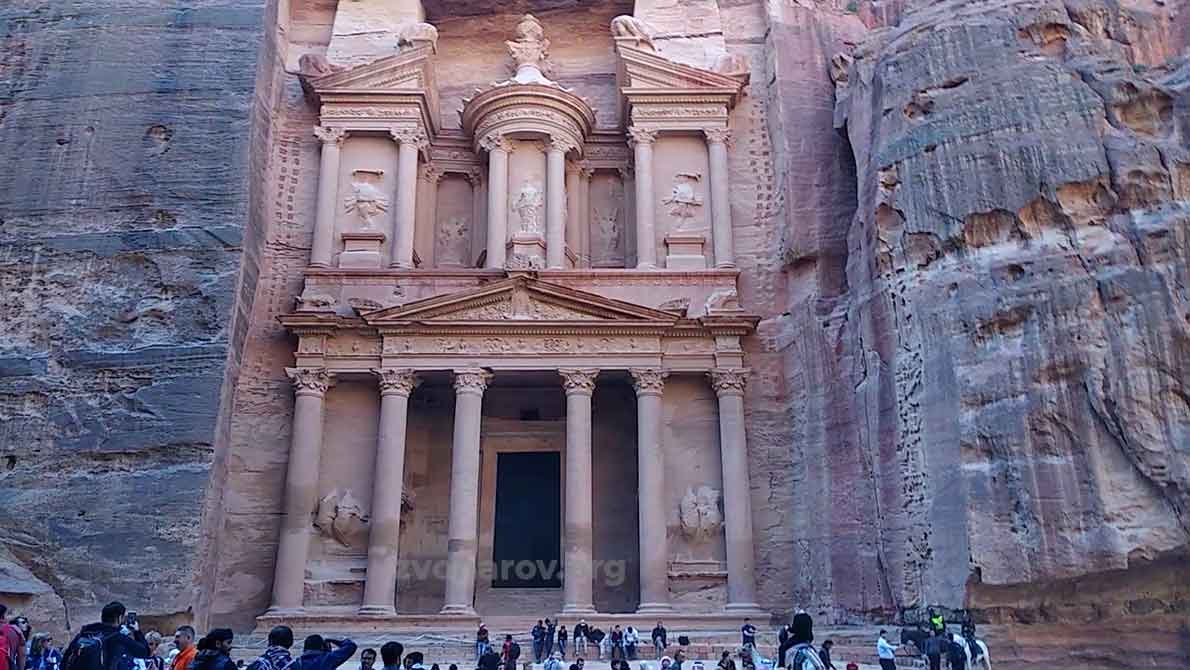
This publication is about the “Treasury” Al-Khazneh — one of the most famous structures of the ancient city of Petra in Jordan. The façade of the monument reaches approximately 39 meters in height and about 25 meters in width. All of this was not built in the conventional sense, but carved directly into the sandstone rock.
The official version of history attributes the creation of Al-Khazneh to the 1st century AD, during the Nabataean kingdom. It is believed that this monumental façade served either as a royal tomb or as an important cultic structure. In the scientific community, there is still debate about the exact purpose of the building, but its dimensions and construction techniques leave no doubt about the high level of engineering of that time.

There are no comments yet.