
Western Stone
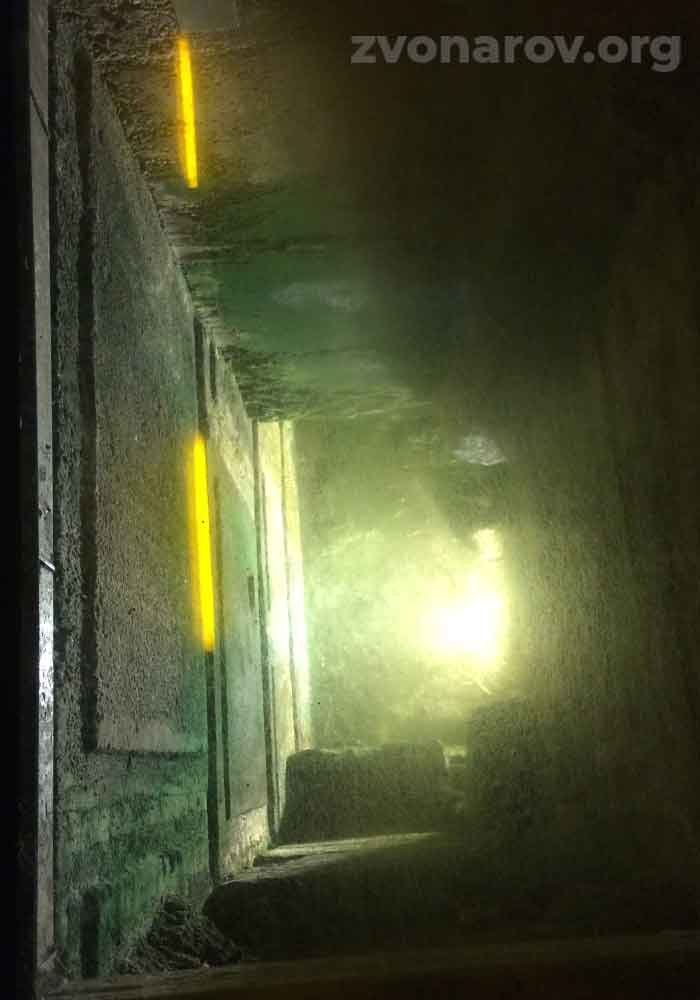
The Western Stone Jerusalem is considered one of the heaviest and largest stones ever used in ancient architecture. Hidden in the Western Wall Jerusalem history, it attracts researchers and visitors with its unmatched size and engineering mystery. Its preservation adds to the intrigue surrounding the origins of such monumental works.
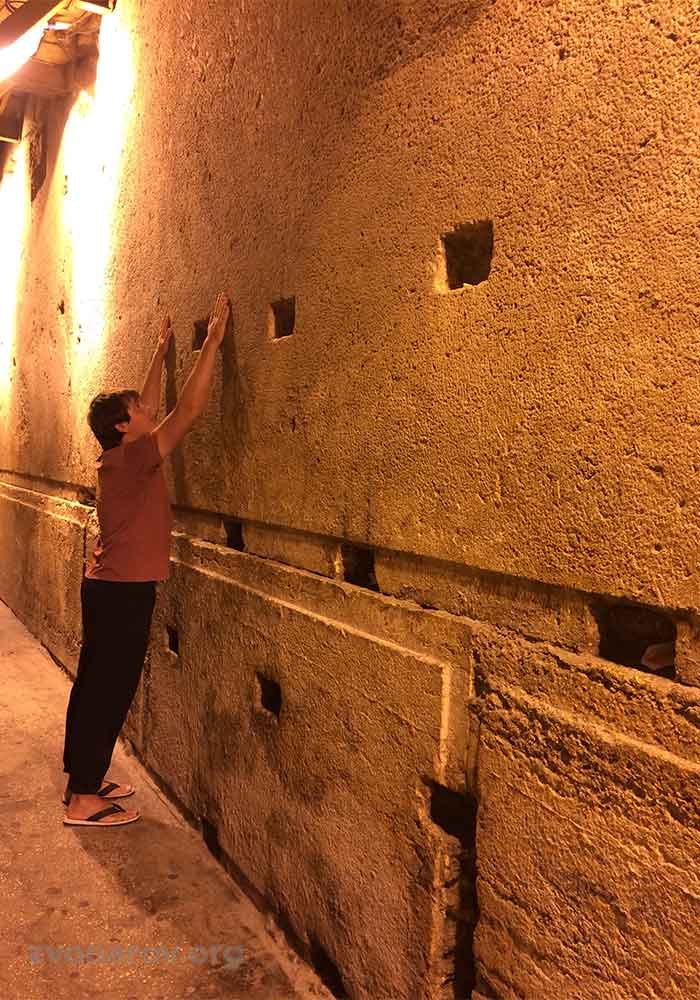
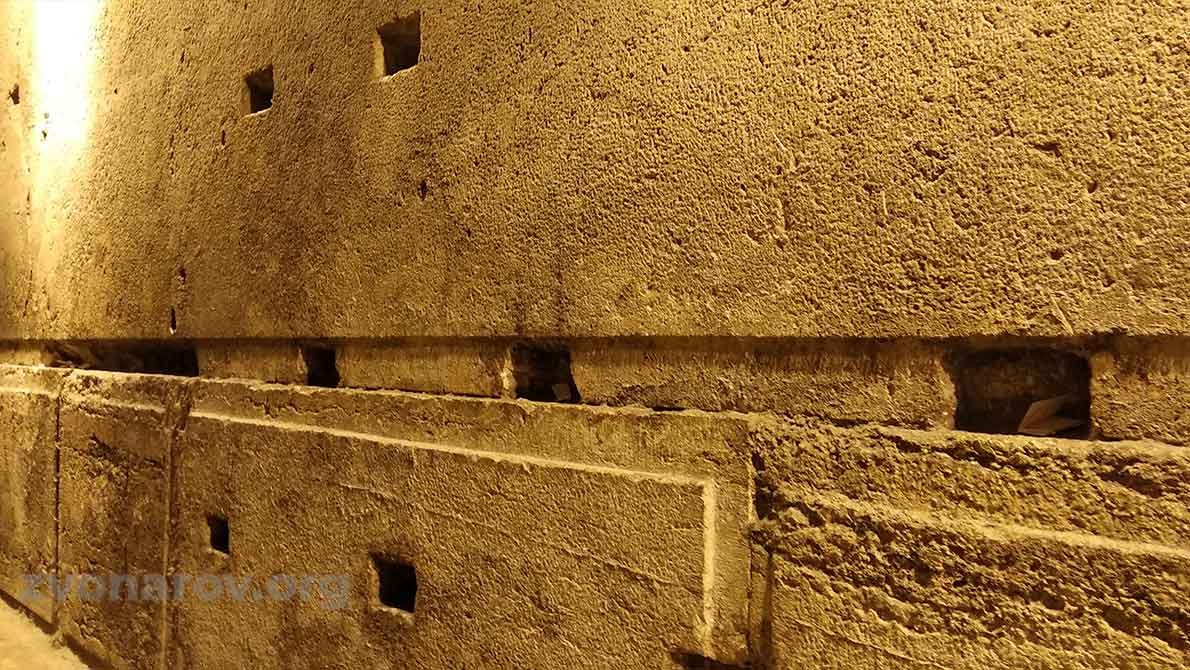
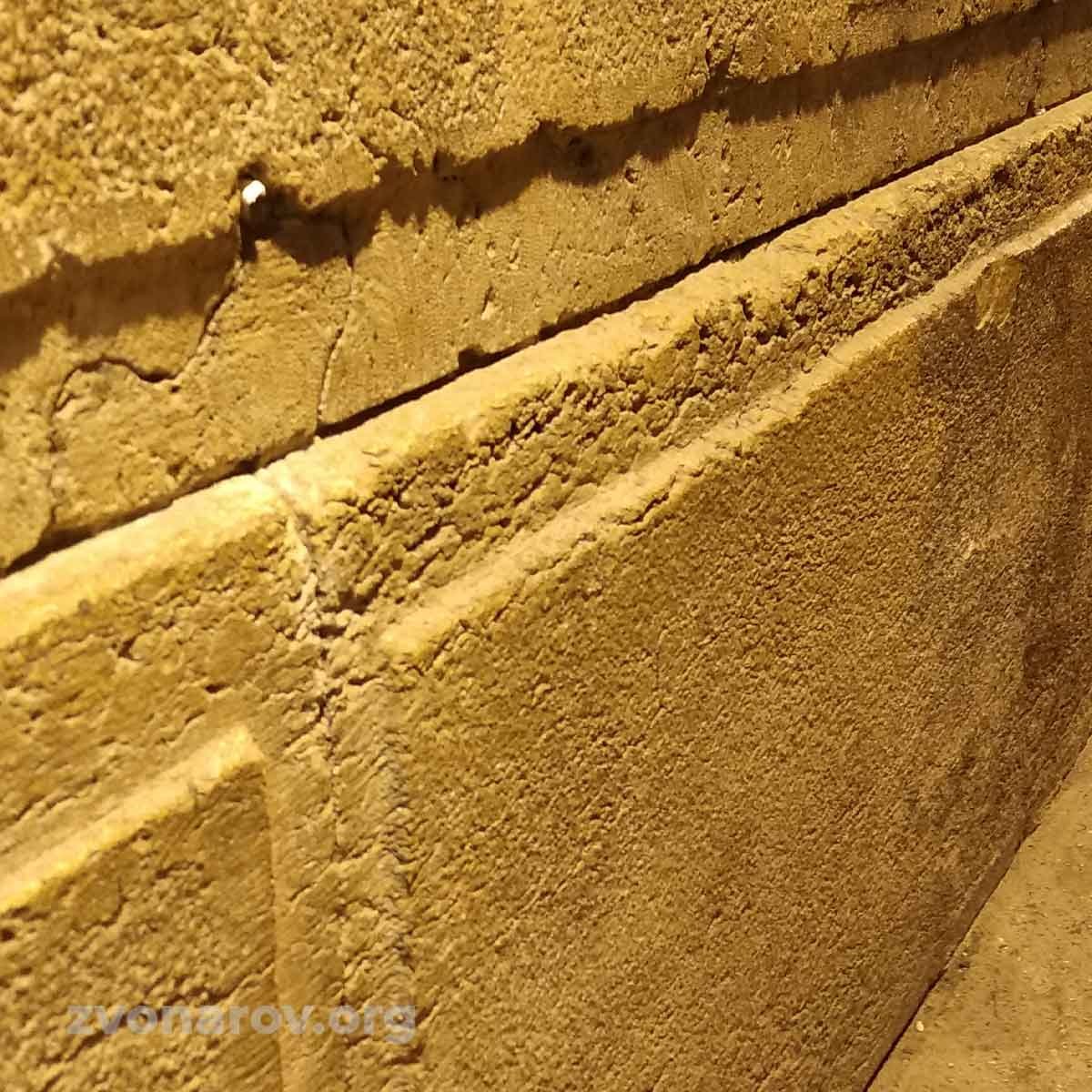
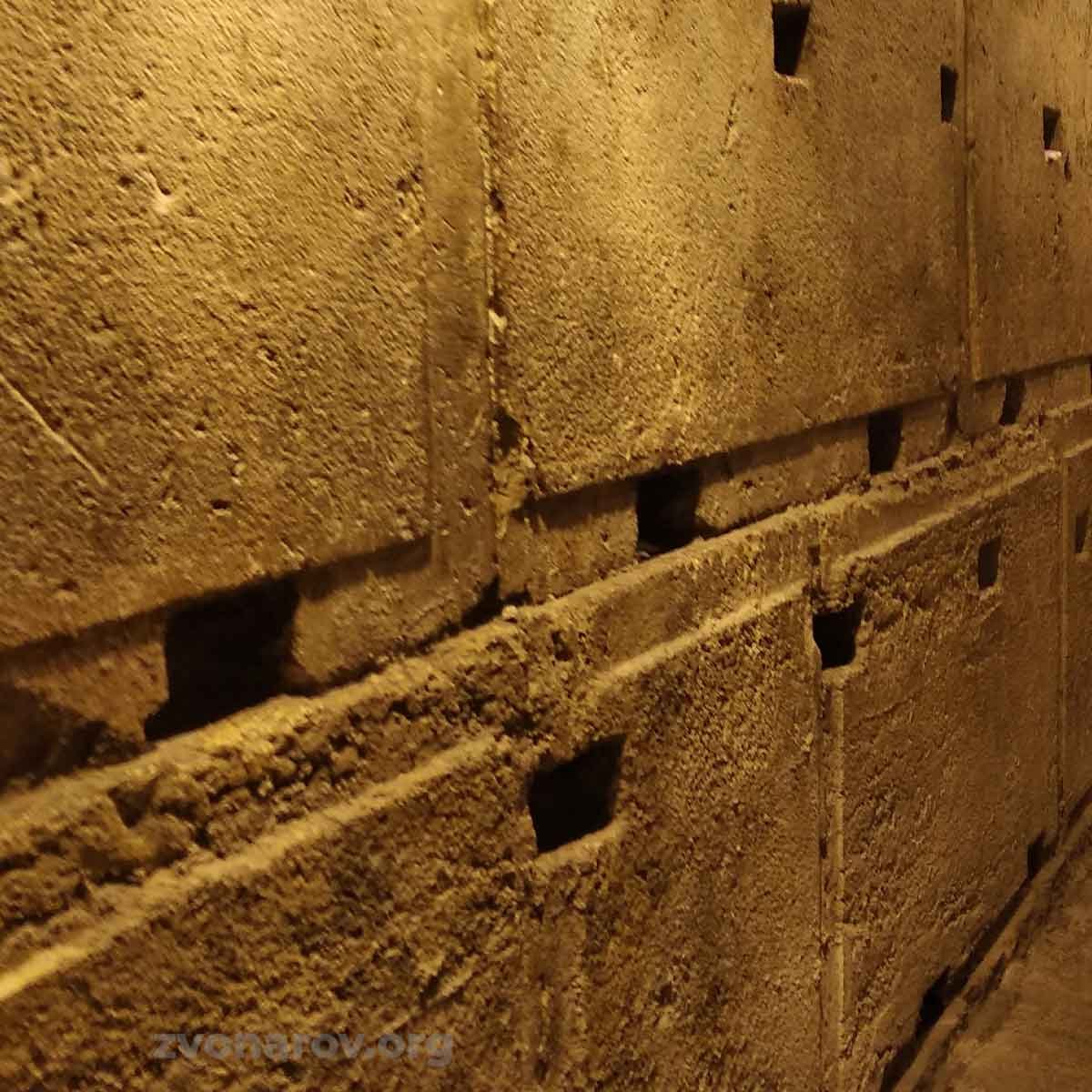
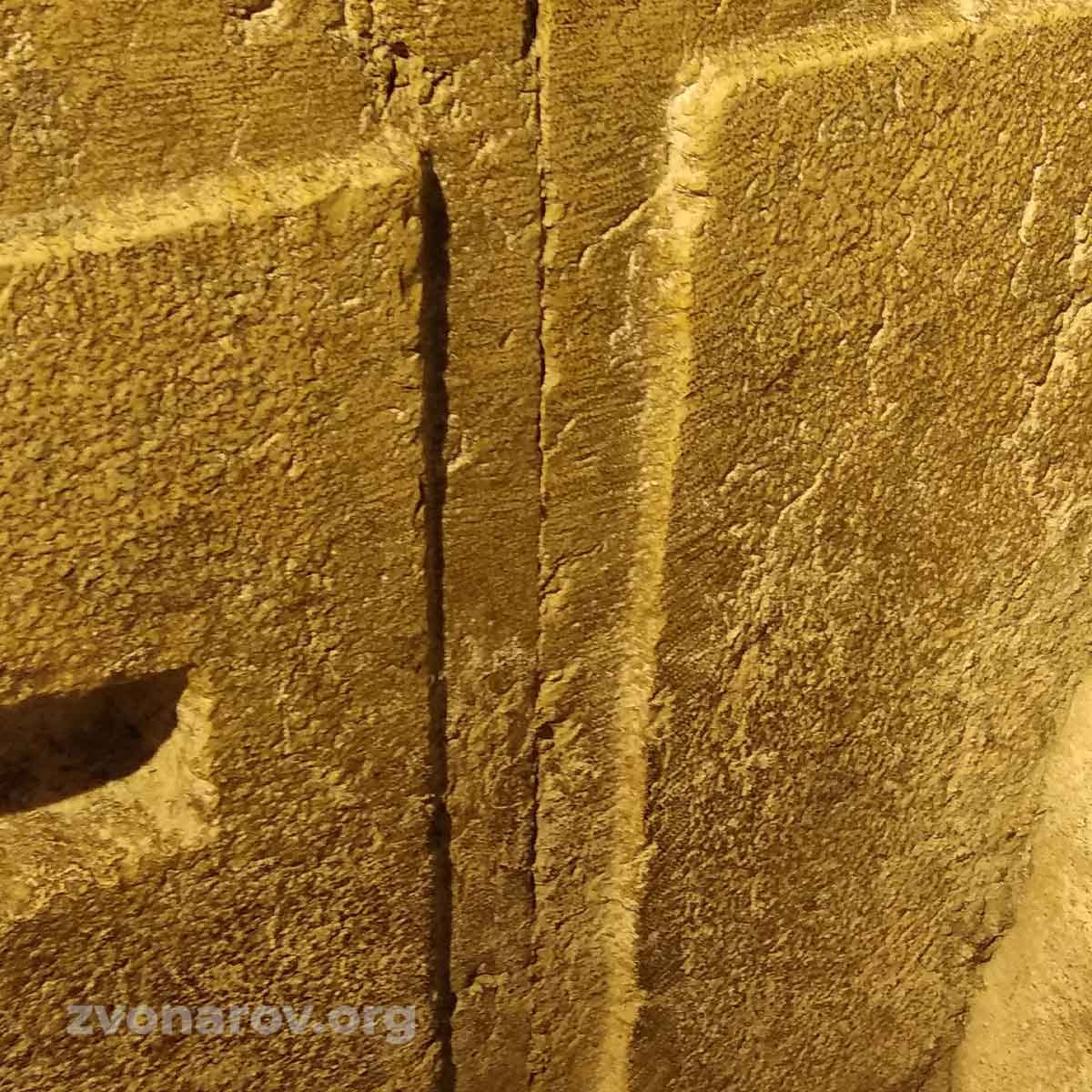
The Western Stone is a megalith that truly impresses with its size. Like all the other blocks, it is laid into the wall without the use of any mortar. The joints between the blocks are fitted so precisely that not even a needle could pass through. These stones were cut and installed with jeweler’s precision, which amazes the imagination, for even with modern technology such masonry would be impossible — the process would be far too labor-intensive.
The blocks in this wall vary in size: some are shorter, some longer, but all of them are perfectly aligned and form a single structure, once again — without any trace of mortar. It is astonishing how, with primitive tools, manual labor, ropes, and the help of animals, people managed to lift these megaliths and set them into the masonry of the wall.
Perhaps the ancient builders possessed other technologies not mentioned in official history? What was built during the reign of Herod, in my opinion, is clearly visible on the outer side of the temple complex. There we see a megalithic row of the lowest blocks, which are the largest in size, and it seems logical to assume that they were installed in the most ancient period. Above them lie blocks of smaller size, yet laid in the same technique and in the same way — these stones are also impressive in their dimensions. And the sections of the walls that were later destroyed or rebuilt are assembled from smaller stones with mortar, mortar of not the best quality, the same as was used everywhere during the time of Herod’s rule.
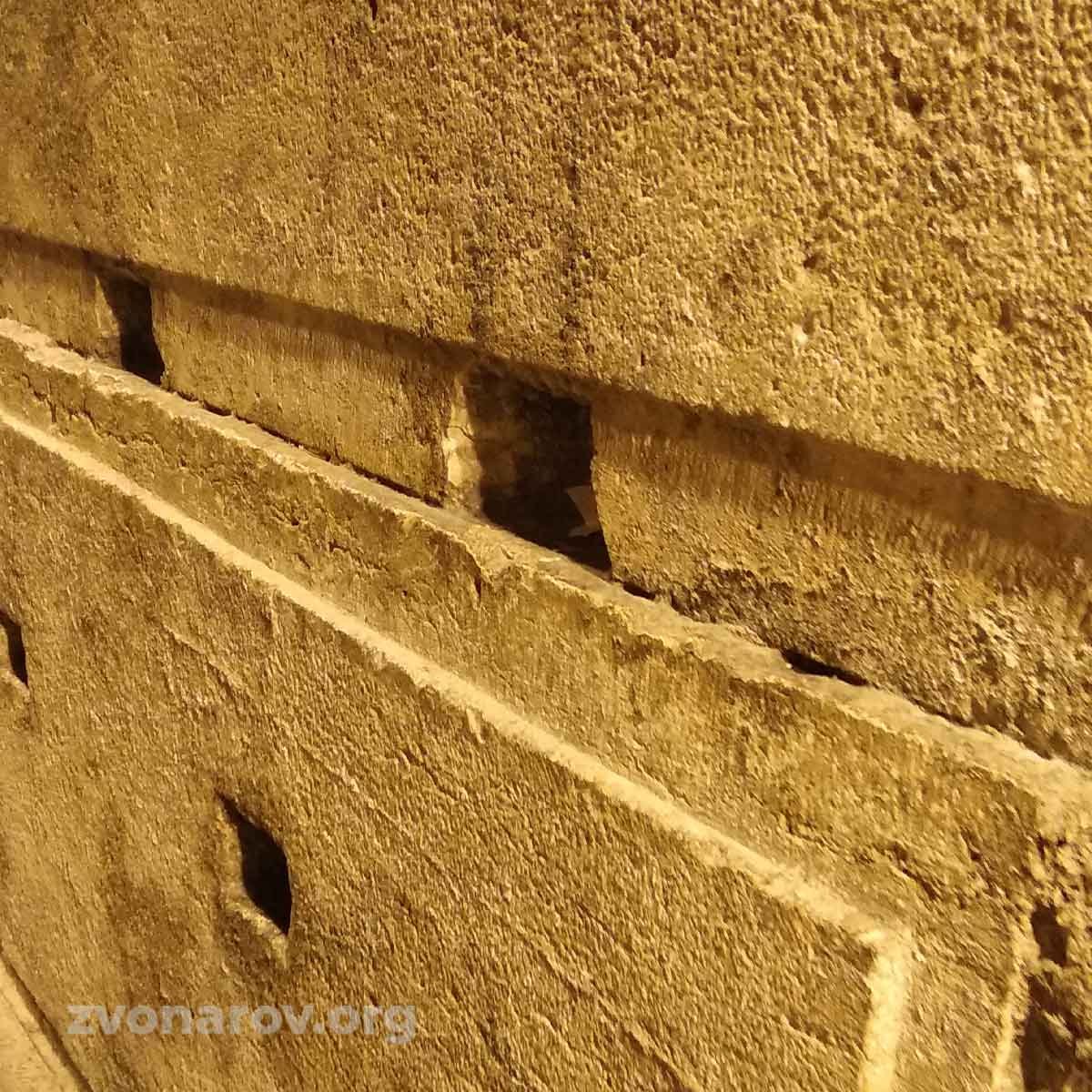
Therefore, my personal view is that here once stood a structure belonging to an ancient, more advanced civilization, and that later representatives of our era came upon its remains. They settled there, built, and carried out restorations — in the same way as we conduct restorations today. I have already mentioned that the restorations currently being carried out in Israel are funded without limitation: it is a wealthy country, and this monument has enormous significance. But look at this photograph:
It is evident that the upper layer was restored by modern restorers. Yet they did not, or rather could not, raise the fallen megalithic blocks to place them back into the masonry. Instead, they built the upper section with small stones and cement — exactly as we are accustomed to doing everywhere today.
But let us return to the Western Stone and consider its technical characteristics:
- Length: about 13.55–13.60 m
- Height: 3.0–3.3 m
- Thickness: from 1.8–2.5 m (ground-penetrating radar) to 3.5–4.6 m (earlier estimates)
- Volume: 73–210 m³, depending on the accepted thickness
- Weight: 250–570 tons (with limestone density 2.6–2.7 t/m³)
- Material: meleke limestone, Herodian masonry with drafted margins
- Location: southernmost of the four giant blocks in the lower tier of the Western Wall, north of Wilson’s Arch
- Dating: officially attributed to the reconstruction of the Second Temple under King Herod
When one looks at these stones, there is a sense that they have lived through several eras and several civilizations. Today, before us is not merely a wall — but rather a layered palimpsest of knowledge, losses, and interventions. The lower rows amaze with a precision that is difficult to explain by primitive methods, while the upper ones remind us of haste and the limited capabilities of restorers. Perhaps this is not evidence of lost technologies at all, but a trace of ancient knowledge that we have not yet learned to recognize. And then the wall itself becomes not a monument of the past, but a hint of the future, where history may still reveal itself from an unexpected side.

There are no comments yet.