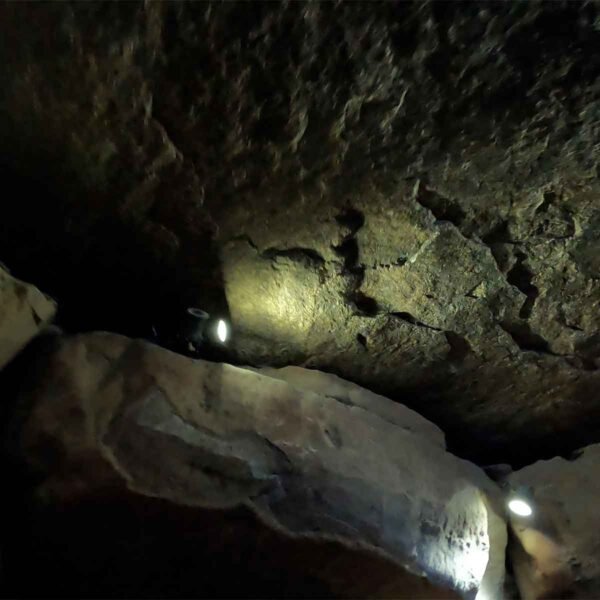
Dolmens – ancient megalithic monuments.

Dolmen is one of the most striking types of megalithic monuments. Built from massive stone slabs, these structures attract researchers and travelers with their mysterious origin and unusual construction.

Dolmen origins

Dolmen architecture and hidden meaning

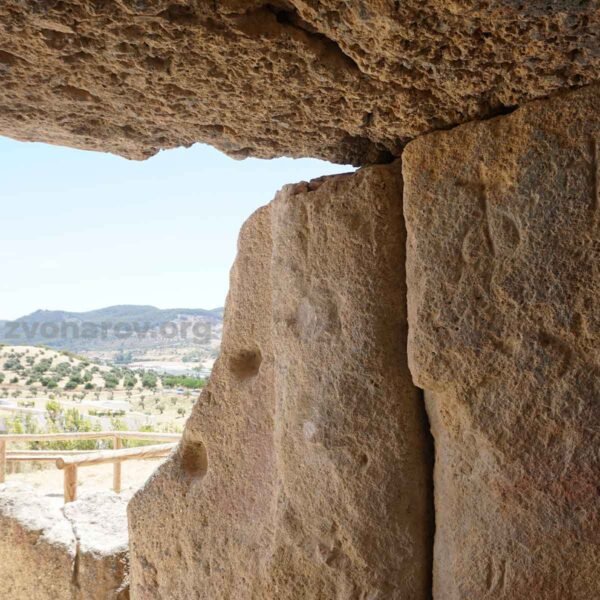
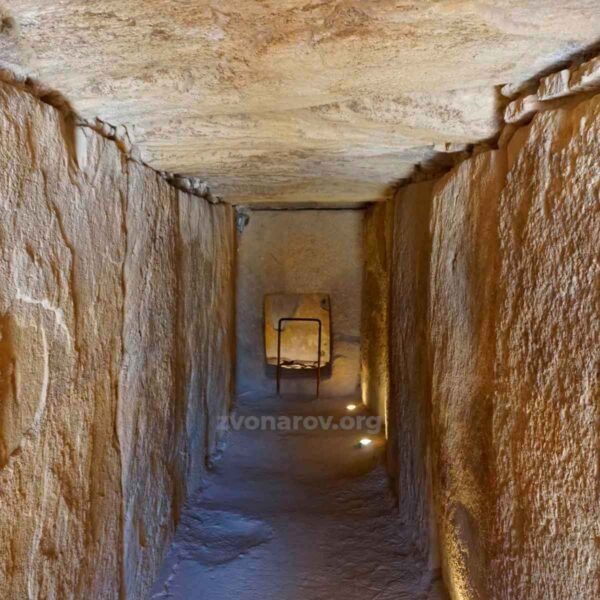
Dolmens are among the most enigmatic megalithic structures ever built. Each dolmen represents not only a carefully arranged stone construction but also a trace of ancient civilizations that left behind silent messages. Unlike ordinary stone formations, a dolmen stone was selected and placed with precision, carrying a function that still puzzles researchers.

The study of dolmens reveals unexpected parallels with other megalithic sites. Some believe that dolmen y menhir complexes formed a single ritual landscape, where people communicated with cosmic forces. Dolmens Stonehenge connections suggest that builders across continents might have shared similar knowledge about the earth and the sky, pointing to a deeper cultural network.

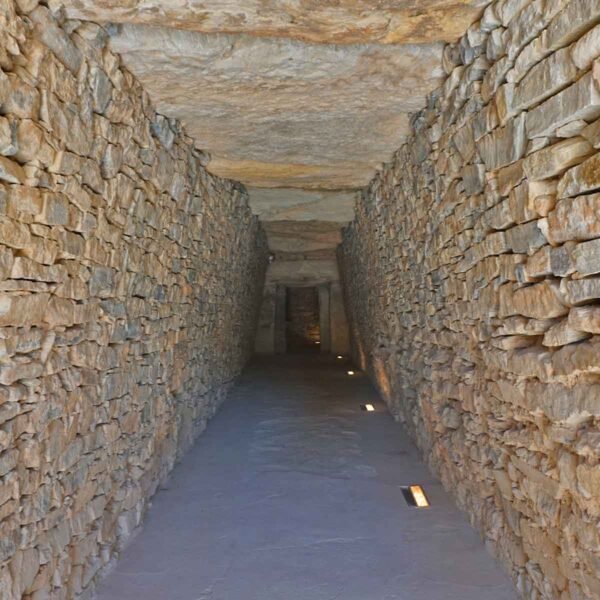
Dolmen architecture reflects mastery in working with enormous blocks, balancing them to create chambers that could withstand centuries. Archaeologists still debate dolmen meaning, proposing versions from tombs to astronomical observatories. Yet the symbolic role of the dolmen stone cannot be underestimated: it embodies the mystery of endurance, time and lost wisdom.

To approach dolmens is to face the unknown. Every stone hides a history that connects humanity with forgotten epochs, leaving questions that ignite imagination and inspire further exploration.


What are dolmens and where can they be found?
Dolmens are ancient megalithic tombs made of large upright stones with a flat slab on top. These structures are found across Europe, Asia, and the Caucasus, and are considered one of the earliest examples of monumental architecture.
What is the dolmen meaning in archaeology?
The dolmen meaning in archaeology refers to its role as a burial chamber or ritual site. They symbolize early human efforts to create durable monuments and mark sacred spaces in the landscape.
How was a dolmen stone usually constructed?
A dolmen stone was typically a massive slab set horizontally over vertical supports. This technique required precise placement and great physical effort, reflecting impressive skills in working with megaliths.
What is the difference between a dolmen y menhir?
A dolmen y menhir are both megalithic structures but serve different purposes. A dolmen is usually a burial chamber, while a menhir is a single standing stone often used as a marker or for ceremonial functions.
What characterizes dolmen architecture?
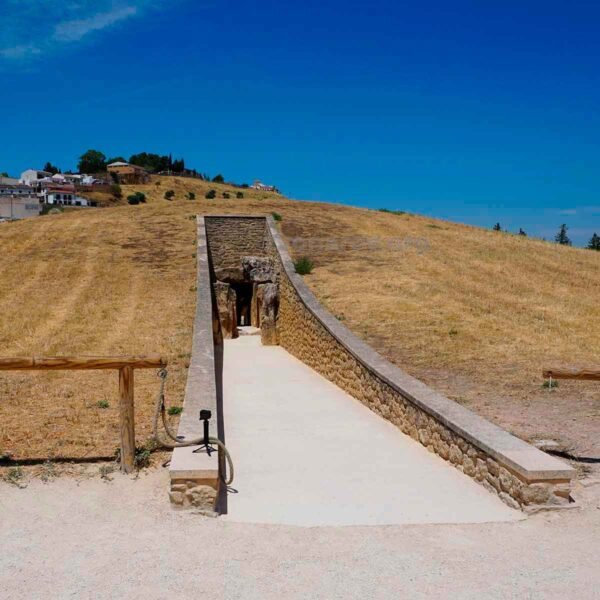
Dolmen architecture is characterized by the use of large unworked stones arranged into chambers, often covered by earth mounds. The style reflects symbolic and functional purposes in ancient societies.
Are dolmens related to Stonehenge?
Dolmens Stonehenge connection lies in the shared megalithic tradition. While different in form, both represent ancient practices of constructing with huge stones for ritual and astronomical purposes.